What Deal Seekers Should Know About Amazon's Membership Cost in August 2026

A standard 2026 Amazon Prime membership currently costs $139 per year in 2026, which might seem like a hefty upfront expense—until you consider that bundling the vast marketplace with fast shipping and the massive Prime Video library at no cost offers a value that is hard to beat.
Top Deals at Amazon This Month
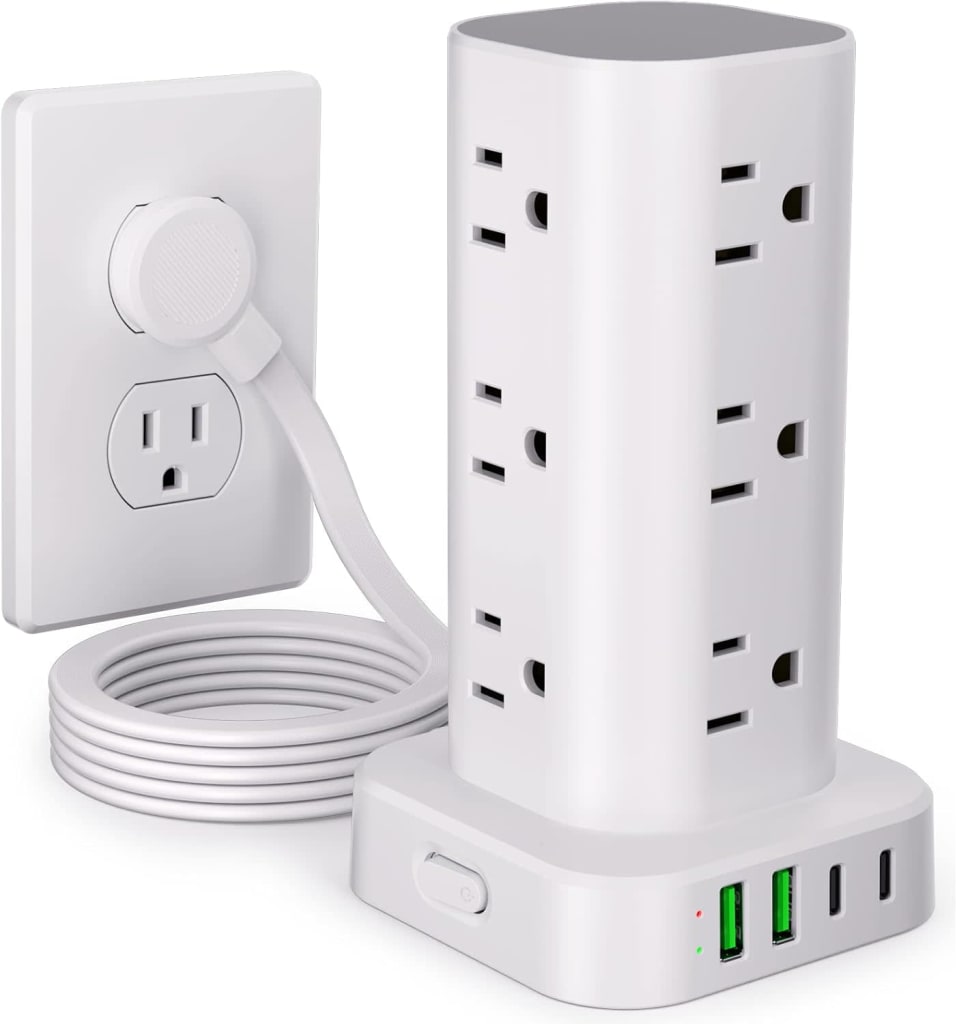
Amazon Outlet Overstock Electronics Deals
Up to 60% offSave on thousands of items including headphones, speakers, batteries, cell phone accessories, and much more. We've pictured the Power Strip Tower w/ 6-Foot Power Cord for $20 after clip coupon ($10 off).

Amazon Outlet Clothing Overstock
Deals from $2Shop thousands of styles, including steep discounts on premium brands. We've pictured the Columbia Men's Moisture Control Crew Socks 4-Pair Pack for $17 ($7 off).
How Much Does An Amazon Prime Membership Cost in July 2026?
While the base price of Amazon Prime has remained at $139 since 2022, the landscape of "add-ons" has shifted significantly. Amazon has moved to a more granular pricing model, recently introducing Prime Video Ultra to replace the old ad-free surcharge. Whether you are a student, a household on a budget, or a cinema enthusiast, here is the updated cost of membership.
Standard Amazon Prime Membership
This remains the flagship choice for most households, offering the full suite of shipping, shopping, and streaming benefits.
-
Annual Plan: $139 per year ($11.58/month).
-
Monthly Plan: $14.99 per month.
-
30-Day Free Trial: Available for new members to test all features.
-
2026 Update: While the price remains steady, note that 4K/UHD streaming is no longer included in the standard tier as of this month; it has been moved to the "Ultra" add-on.
Prime Deals for Young Adults (18–24 Years Old or Students)
Formerly Prime Student, this is the most aggressive discount Amazon offers. It is available to anyone aged 18–24 or any student with a valid .edu email.
-
Annual Plan: $69 per year.
-
Monthly Plan: $7.49 per month.
-
6-Month Free Trial: The most generous trial in the industry.
-
Exclusive Perks: 5% cash back on select categories (beauty, electronics) and deeply discounted travel via StudentUniverse.
Prime Access (Qualified Assistance)
For those receiving government assistance (SNAP, Medicaid, SSI, etc.), this plan offers the lowest barrier to entry.
-
Monthly Rate: $6.99 per month.
-
Verification: Requires annual re-verification of eligibility (EBT card or award letter).
-
Value: Offers 100% of the standard Prime shipping and streaming benefits at a 53% discount.
Prime Video Only (Standalone)
If you do not need free shipping and only want the streaming library, this is the budget-friendly "cord-cutter" option.
-
Monthly Rate: $8.99 per month.
-
What You Miss: No free shipping, no Amazon Music, and no Whole Foods discounts.
-
Note: This tier includes ads. Removing them requires the Ultra upgrade.
New for 2026: Prime Video Ultra (Ad-Free and 4K)
The old $2.99 "Ad-Free" add-on has been retired and replaced by the Ultra tier.
-
Monthly Add-on: $4.99 per month (up from $2.99).
-
Annual Add-on: $45.99 per year (newly introduced to help offset the monthly hike).
-
What You Get: Zero ads, 4K/UHD resolution, Dolby Atmos audio, 100 offline downloads (up from 25), and up to 5 concurrent streams.
RxPass and Pharmacy
-
Monthly Rate: $5 per month (add-on).
-
What You Get: Unlimited delivery of eligible generic medications for one flat fee.
The Best Ways to Save on Amazon Prime in 2026
While the $139 sticker price might seem non-negotiable, there are actually several legitimate ways to slash that cost or even get the service for free if you know where to look. Amazon has become much more aggressive with its tiered pricing, meaning the "standard" price is often just a starting point for people who don't know the hacks.
Commit to the Annual Plan to Kill the "Monthly Tax"
If you know you're going to use Prime for the full year, paying month-to-month is essentially throwing money away. Amazon charges $14.99 for the monthly flexibility, which adds up to roughly $180 over a year. By fronting the $139 for the annual plan, you are instantly saving $41. This is the simplest way to lower your overhead without losing a single benefit.
-
Annual Cost: $139 (Best value for long-term users)
-
Monthly Cost: $14.99 (Best for "Prime Day" shoppers who cancel after one month)
-
The Breakeven Point: If you plan on keeping Prime for more than nine months out of the year, the annual plan is mathematically the only choice that makes sense.
Think of the monthly plan as a "rental" fee. It's perfect if you only want to binge-watch a specific season of a show or if you have a massive amount of shopping to do during the holidays. But for the average household that relies on Amazon for groceries and household essentials, that $41 difference is better off staying in your savings account.
Leverage Prime Access for Qualified Assistance
If you receive any form of government assistance, you shouldn't be paying the full $139. Amazon offers Prime Access for just $6.99 a month, which is a 53% discount off the standard monthly rate. This isn't a "Lite" version of the service, either; you get every single benefit, from the fast shipping to the full streaming library and the new 2026 fuel discounts.
To get this rate, you just have to upload a photo of your EBT card or your eligibility letter for programs like SNAP, Medicaid, or SSI to the Prime Access portal. Amazon requires you to re-verify this every 12 months, but it's a small price to pay for saving over $70 a year. It's one of the most underutilized discounts on the platform, and it ensures that lower-income households aren't priced out of the convenience of home delivery.
Use the Young Adult Discount Without Being a Student
One of the best changes Amazon made recently was rebranding Prime Student to Prime for Young Adults. You no longer need a .edu email address or a college transcript to qualify for the $69 annual rate. If you are between the ages of 18 and 24, you can get the exact same membership as everyone else for half the price.
-
Trial Period: 6 months (The longest free trial Amazon offers)
-
Eligibility: Age verification via ID upload or a valid student email for those 25+
-
Exclusive Perks: Access to "StudentUniverse" travel deals and specialized discounts on Microsoft and Adobe software.
This is a massive win for young professionals who are just starting their careers and don't want to pay the "grown-up" price for shipping. Even if you've already graduated, as long as you haven't hit your 25th birthday, you can switch your account type and immediately cut your bill in half. Just remember that once you turn 25, the system will automatically graduate you to the $139 tier on your next renewal date.
Offset the Fee Entirely with the Prime Visa
For frequent shoppers, the most effective way to "save" on Prime is to let the membership pay for itself through cash back. The Prime Visa is a $0-annual-fee credit card that gives you 5% back on every purchase you make at Amazon, Whole Foods, and Amazon Fresh. If you use this card for your weekly grocery runs and household supplies, the rewards usually outpace the cost of the membership.
To make the math work, you only need to spend about $232 a month on Amazon-owned properties to earn $139 in cash back over the course of the year. For a family of four, hitting that number is incredibly easy just through groceries and occasional gift shopping. Essentially, you're using your normal spending habits to "earn" a free membership, turning a recurring expense into a self-funding perk.
Split the Bill with Amazon Household
You should never pay for two Prime memberships in one home. Amazon Family (formerly called Amazon Household) allows you to share your Prime benefits with one other adult and up to four children at no extra cost. This effectively allows two roommates or a couple to split the $139 annual fee, bringing the cost down to just $69.50 per person.
-
Shared Benefits: Free shipping, Prime Video, and the Kindle Lending Library.
-
Private Profiles: You keep your own login, credit card info, and "Buy Again" history—the other adult can't see what you're buying.
-
Payment Requirement: Both adults must agree to share credit cards as a "security" measure, so only do this with someone you trust.
This is the ultimate hack for friends or family members living under the same roof. While Amazon has cracked down on password sharing for streaming in 2026, the Family feature remains a fully supported, legal way to divide the cost of the service. Just make sure you're comfortable sharing a payment method on the account, as that's the one string attached to this deal.
Use the "Gift of Prime" to Hedge Against Price Hikes
If you hear rumors that Amazon is about to raise the price of Prime—which usually happens every few years—you can "lock in" the current rate by buying a "Gift of Prime" for yourself. You simply purchase the $139 gift membership and send the email to your own address. You don't have to activate it immediately; you can sit on it until your current subscription expires.
When your current year is up, let your membership lapse and then "redeem" your gift. This is a classic strategy for deal seekers to avoid inflation. Even if Amazon raises the price to $159 the following month, your pre-paid gift will still cover a full year of service at the old price. It's a low-risk way to save $20 or $30 if you have the cash on hand to pre-pay for your next year of service ahead of time.
Master the "Trial Hopping" Strategy
Amazon is surprisingly generous with free trials, especially if you haven't been an active member for a while. If you cancel your membership, Amazon will often invite you back with a 30-day free trial or a heavily discounted "week of Prime" for just $1.99 during high-traffic times like Black Friday or Prime Day.
-
The 30-Day Reset: Generally, if you haven't had Prime for 12 months, you are eligible for another full 30-day free trial.
-
The $1.99 Weekly Pass: Keep an eye out for these "short-term" trials around big sales events; they are perfect for getting the shipping perks without the $139 commitment.
-
Cancel Immediately: You can sign up for a trial and hit "cancel" five minutes later. You will still get the full 30 days of benefits, but you won't have to worry about a surprise $139 charge hitting your bank account next month.
If you are a disciplined shopper who can wait and buy things in bulk once a year, you can technically survive on these rotating trials. By timing your sign-ups for the summer Prime Day and the winter holidays, you can get the best of Prime's shipping and deals for a few dollars a year instead of the full annual fee.
So, Is Amazon Prime Worth the Cost in 2026?
With a price tag of $139, the question of whether Amazon Prime is "worth it" has become an essential part of any household's annual budget review. Based on extensive user feedback and our own editor recommendations, the answer depends entirely on treating it as a lifestyle bundle rather than just a shipping service.
If you only order a few packages a year, the math simply doesn't work; you would be better off just hitting the standard $35 free shipping threshold for non-members. However, the moment you begin to factor in the other benefits, the value proposition changes dramatically.
If you are a numbers person, the break-even point is easier to calculate than you might think. Based on current service fees, the membership pays for itself if you hit any of these milestones in a year:
-
25 orders: Assuming standard shipping costs roughly $6 per order, ordering twice a month covers the annual fee.
-
5 months of streaming: If you cancelled a standard Netflix subscription ($15.49/mo) and switched to Prime Video to watch its library of award-winning shows and movies, you would be in the "green" by month five.
-
20 takeout orders: With the included Grubhub Plus membership saving you about $6 in delivery fees per order, ordering dinner twice a month covers the cost of Prime.
If you do a combination of all three—order a few packages, stream entertainment, and order pizza on Fridays—the membership effectively becomes "free" halfway through the year. Ultimately, the best way to evaluate the cost is to sign up for the 30-day free trial. It is the only risk-free way to audit your own usage and decide if the various cost options and benefits are right for you.
Is Amazon Prime Worth It For You? A Quick Checklist
Still on the fence? Run through this quick checklist. If you answer "yes" to two or more of these, the $139 annual fee will likely pay for itself.
-
The Frequent Shopper: Do you place two or more Amazon orders per month?
-
The Streaming Enthusiast: Do you pay for more than one other streaming service (like Netflix or Hulu) and want to consolidate?
-
The Takeout Fan: Do you order from Grubhub or DoorDash more than twice a month?
-
The Family Archivist: Are you paying for extra cloud storage from Apple or Google to back up your family photos?
-
The Whole Foods Regular: Is Whole Foods your primary grocery store?
Who Should Skip Prime?
As great as it is, Prime isn't for everyone. You should probably skip the membership if you fall into one of these categories:
-
The Patient Shopper: If you rarely need items in less than a week and your orders consistently total over $35, you can get free standard shipping without paying for Prime.
-
The Budget Streamer: If you are happy with free services like YouTube, Pluto TV, or Tubi, the value of Prime Video is significantly diminished.
-
The Brick-and-Mortar Loyalist: If you do the vast majority of your shopping at Walmart, Target, or in-person stores, you simply won't order enough to justify the annual fee.
What Else to Consider About Amazon in 2026
Beyond the standard shipping and streaming perks, it is worth weighing the comprehensive value of the Amazon ecosystem. In 2026, features like exclusive Prime Day access, free Kindle reading, Prime Gaming, and unlimited high-resolution photo storage can significantly boost the return on your initial investment. When utilized fully, these secondary perks often justify the Amazon membership cost on their own.
Keep in mind that Amazon frequently adjusts its included benefits and add-on pricing structures, such as this year's rollout of the Prime Video Ultra tier. Before committing to a long-term subscription, we highly recommend reviewing the official Amazon Prime Terms and Conditions to fully understand cancellation policies, household sharing rules, and benefit limitations.
How We Find and Verify Amazon Prime Costs
We treat tracking Amazon's sprawling membership ecosystem as a rigorous editorial process, not just a matter of aggregating the latest press releases. Because Amazon frequently adjusts the fine print on everything from annual renewal fees to household sharing policies, our team of expert editors manually audits every tier and promotional offer to confirm your actual out-of-pocket cost. We look past the headline rate to ensure that the value we report is exactly what you will be charged.
Senior Editor Julie Ramhold understands that Amazon's pricing structures can be highly fluid. Leveraging her deep expertise in consumer savings, Julie actively investigates post-purchase price adjustments and member-exclusive deals. She digs through the complex terms and conditions so you never face an unexpected charge on your next credit card statement.
Similarly, Content Editor Jason Savage relies on his 10+ years of cost-cutting experience to navigate Amazon's complex web of trial periods and targeted promotions. Rather than taking an advertised "free trial" at face value, Jason personally tests the activation and cancellation steps. By testing these enrollment loopholes firsthand, he ensures that the strategies we recommend genuinely protect your wallet.
To guarantee you always have the most accurate picture of your annual or monthly commitment, our verification routine focuses heavily on transparency rather than just standard discounts:
-
Daily Pricing Audits: We routinely cross-reference Amazon's official signup portals against historical data to catch unannounced fee changes before they hit your bank account.
-
Decoding Eligibility: We actively test specialized portals, like Prime Access and Prime for Young Adults, to confirm exactly what documentation (like an EBT card or valid .edu email) is actually required to secure those lower rates.
-
Stackability and Limitations: Amazon's add-ons—like the Prime Video Ultra tier or RxPass—often come with strict limitations. We dissect these standalone features to ensure they actually integrate with your base membership as advertised without voiding other perks.
-
Editorial Independence: Although we may earn a commission when you click our links, our pricing evaluations remain completely objective. If a cheaper membership tier strips away the everyday shipping or streaming benefits you rely on, it simply won't make the cut.
Stay Updated on the Latest Amazon Promo Codes
Amazon is always releasing new promo codes, exclusive offers, and limited-time discounts—sometimes with little warning. To make sure you never miss out on the best ways to save:
-
Bookmark this page: We regularly update our list of verified Amazon promo codes and deals, so check back before every order.
-
Sign up for deal alerts: Subscribe to our DealNews Select newsletter to get the hottest Amazon discounts delivered straight to your inbox.
-
Set a custom deal alert: Create a personalized deal alert for Amazon or your favorite brands and receive instant notifications when a new promo goes live.
-
Follow us on social media: We frequently share flash promo codes and exclusive deals on our social channels. Follow us here:
Staying proactive is the best way to maximize your Amazon savings all year long!

Julie Ramhold is a consumer savings expert who has spent more than 10 years helping shoppers save on Home & Garden and Smart Home purchases, from yard prep tools to smart home gadgets like Roborock robot vacuums. She knows the retail calendar inside and out — tracking everything from Lowe's SpringFest mulch sales on Scotts Nature Scapes to Black Friday deals on DeWalt power tools, Greenworks lawn equipment, and Costco's seasonal Kirkland Signature offers — and pays close attention to how Lowe's, Costco, and Wayfair run their sales, helping readers get the most out of loyalty programs like MyLowe's Rewards and Wayfair Rewards.
Julie's savings expertise has been featured in AARP, The Washington Post, and CNBC, among others, and she's shared her insights on Good Morning America. When she's not tracking deals, she's usually crocheting or catching up on the latest K-drama.
Sign In or Register