eBay · Aug 19, 2026
$17 $48
free shipping
more
↑ less
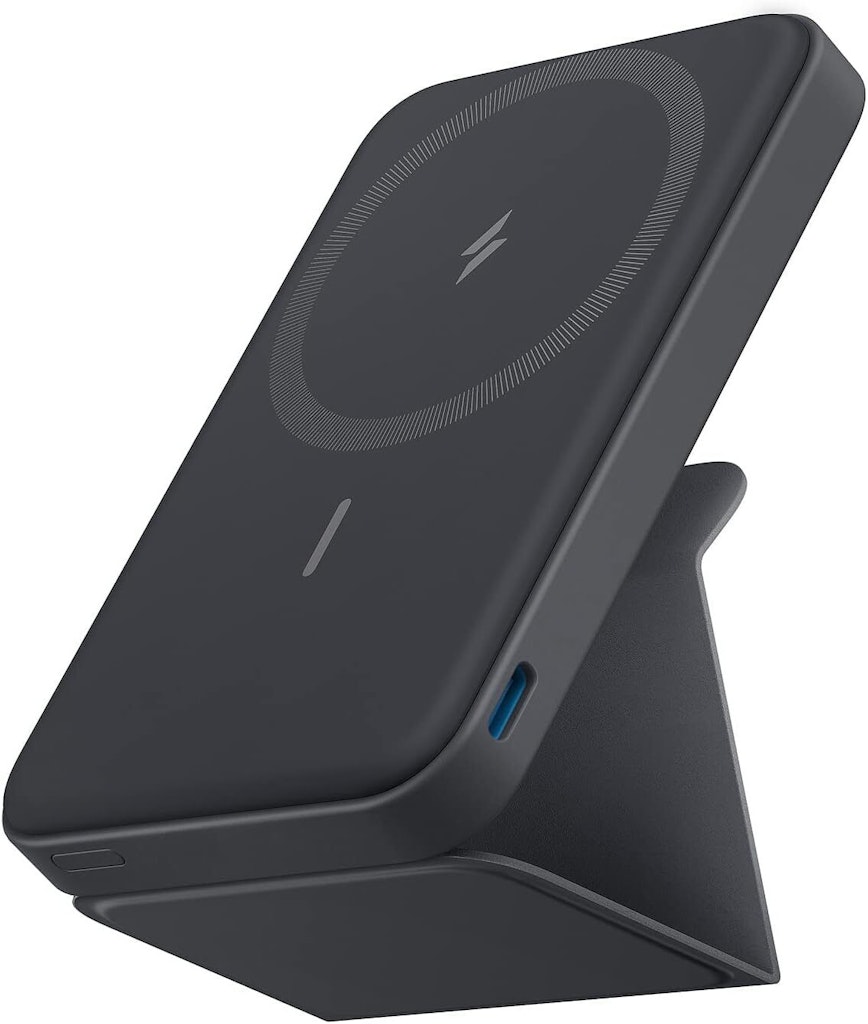
This certified refurbished Anker 622 Magnetic Battery is $17.04, at least $10 below the best price we could find for a new unit. It includes a 2-year warranty serviced by Allstate, along with a USB-C cable and a foldable kickstand for hands-free use. Buy Now at eBay
Features
- 5000mAh battery capacity
- Magnetic attachment for iPhone 12 through 16 Pro Max models
- Foldable kickstand design for hands-free viewing
- Includes USB-C cable
- Measures 4.13" x 2.62" x 0.5" and weighs 142g
- Backed by a 2-year warranty serviced by Allstate
staff pick
Amazon · Aug 18, 2026
$18 $43
free shipping w/ Prime
more
↑ less
Update: The price has changed to $17.99 since this was originally published.
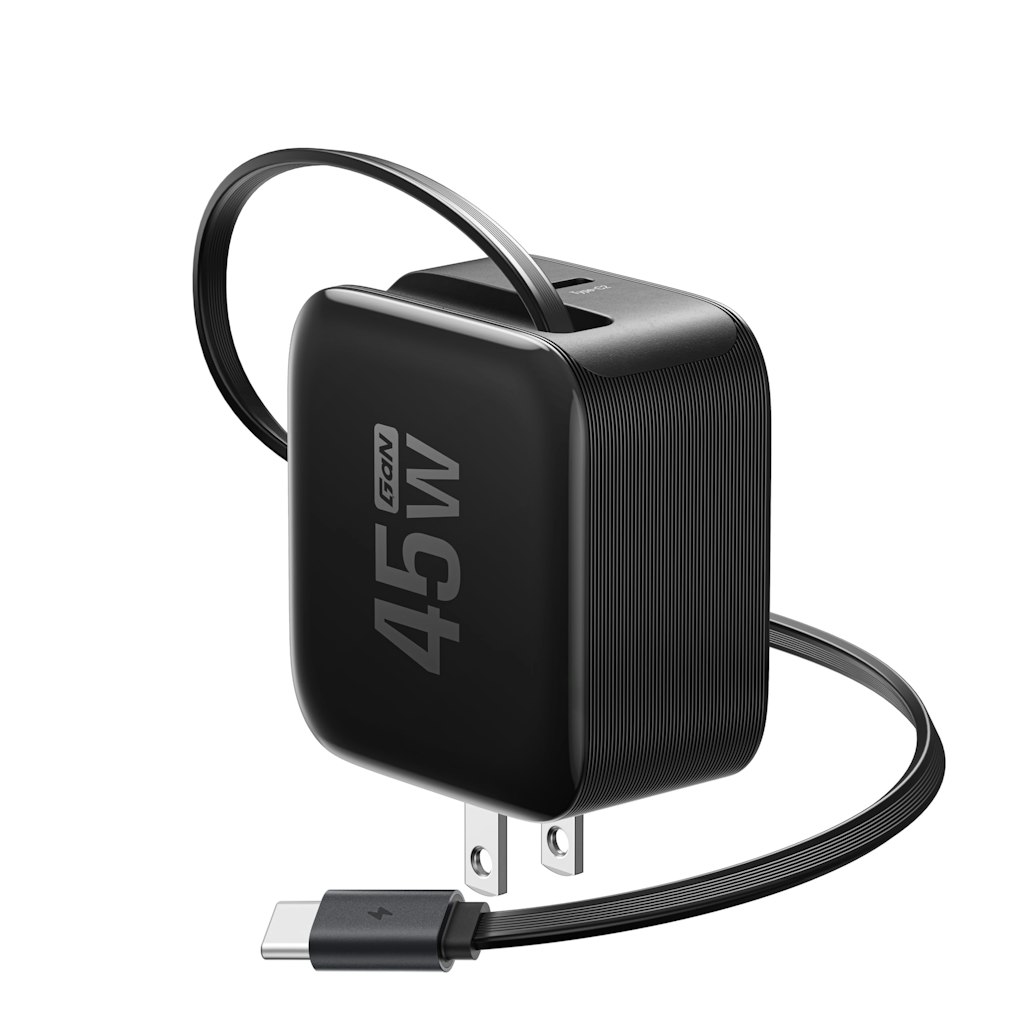
This EF ECOFLOW charger is $17, down from $43. It packs a retractable USB-C cable plus a USB-C and USB-A port into one compact charger, letting you power up to three devices at once with 45W of output. Buy Now at Amazon
Features
- 45W fast charging output for up to 3 devices at once
- Built-in retractable USB-C cable, plus USB-C and USB-A ports
- Cable tested for over 10,000 stretch cycles
- GaN technology for a compact build
- Temperature monitoring with a fireproof shell for added protection
- Compatible with phones, tablets, laptops, and other USB-C or USB-A devices
Best Buy · Aug 16, 2026
$11 $25
free shipping
more
↑ less
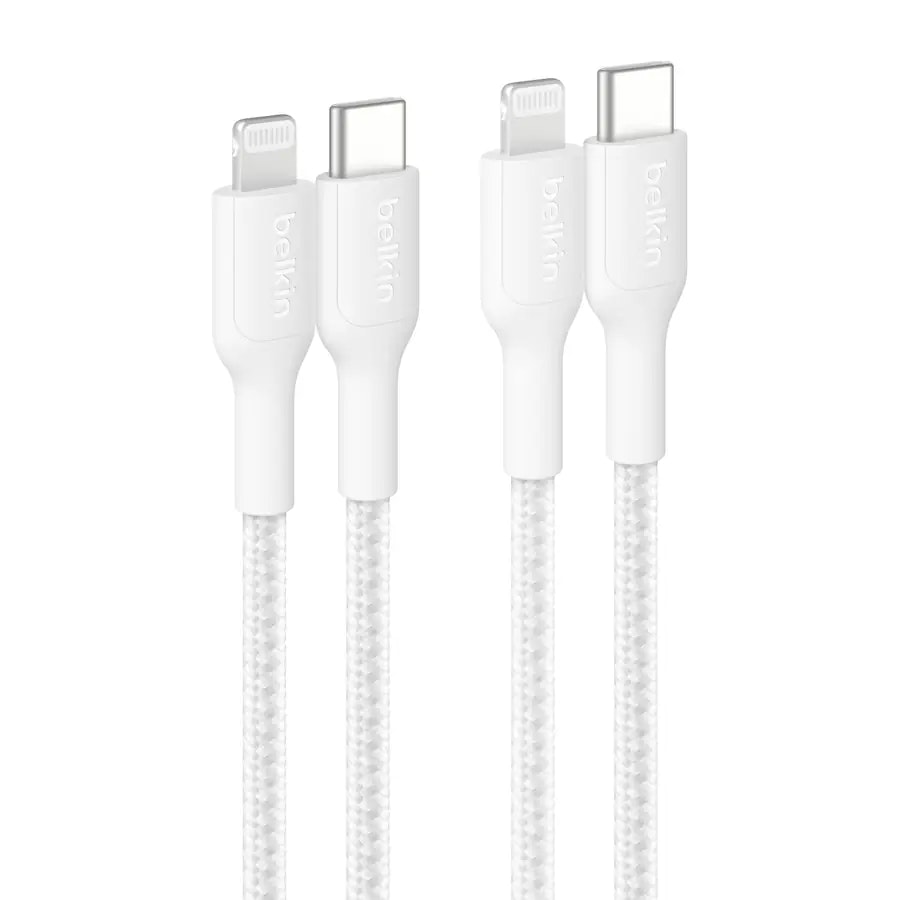
Best Buy offers the Belkin Boost↑Charge USB-C to Lightning Cable 2-Pack for $10.99 for a $19 low. My Best Buy members get free shipping on all orders (it's free to join). Buy Now at Best Buy
staff pick
Amazon · Jun 30, 2026
$8 $9
free shipping w/ Prime
more
↑ less
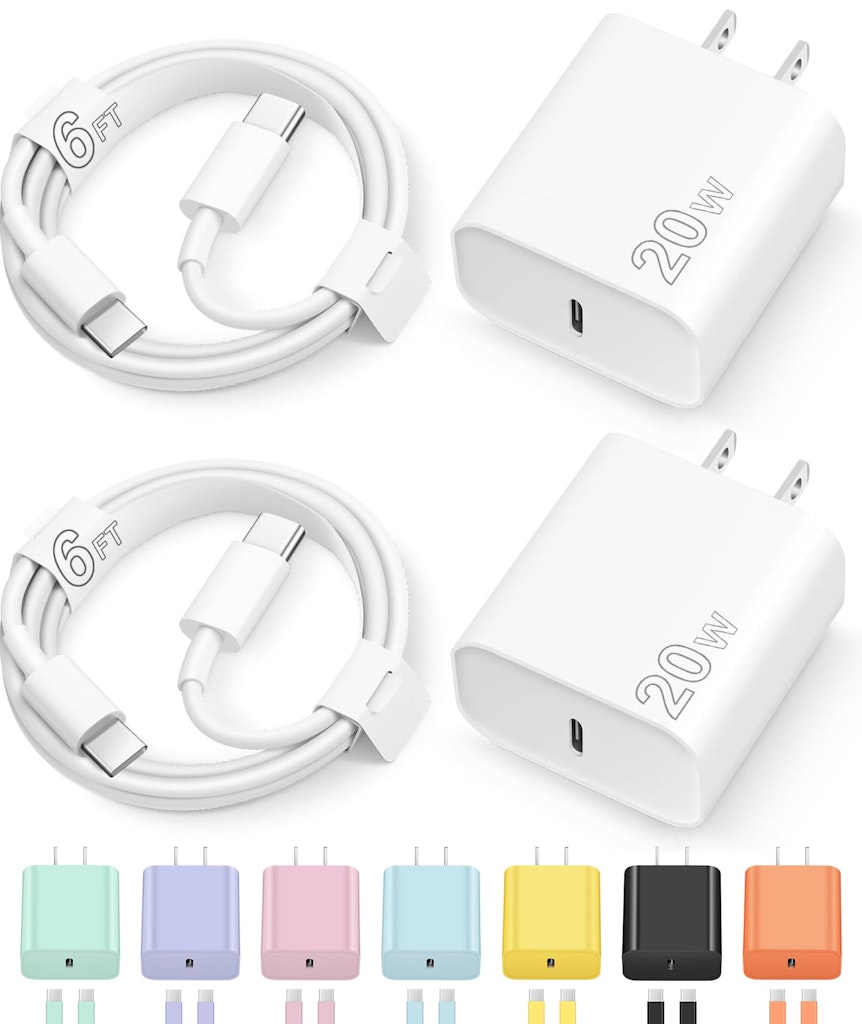
This USB-C Wall Charger w/ 6-Foot Cable 2-Pack drops to $8.04 at Amazon. That's $1 off and an all-time low. Buy Now at Amazon
Features
- 20W USB-C Power Delivery
- 3A maximum output
- MFi certified USB-C cable
- 6' tangle-free cable length
- Built-in overcurrent, overvoltage, and overheat protection
- Compatible with iPhone 15/16/17, iPad Pro, and select Android devices
Woot! An Amazon Company · Jun 30, 2026
$10, 2-pack for $17, 3-pack for $22
free shipping w/ Prime
more
↑ less
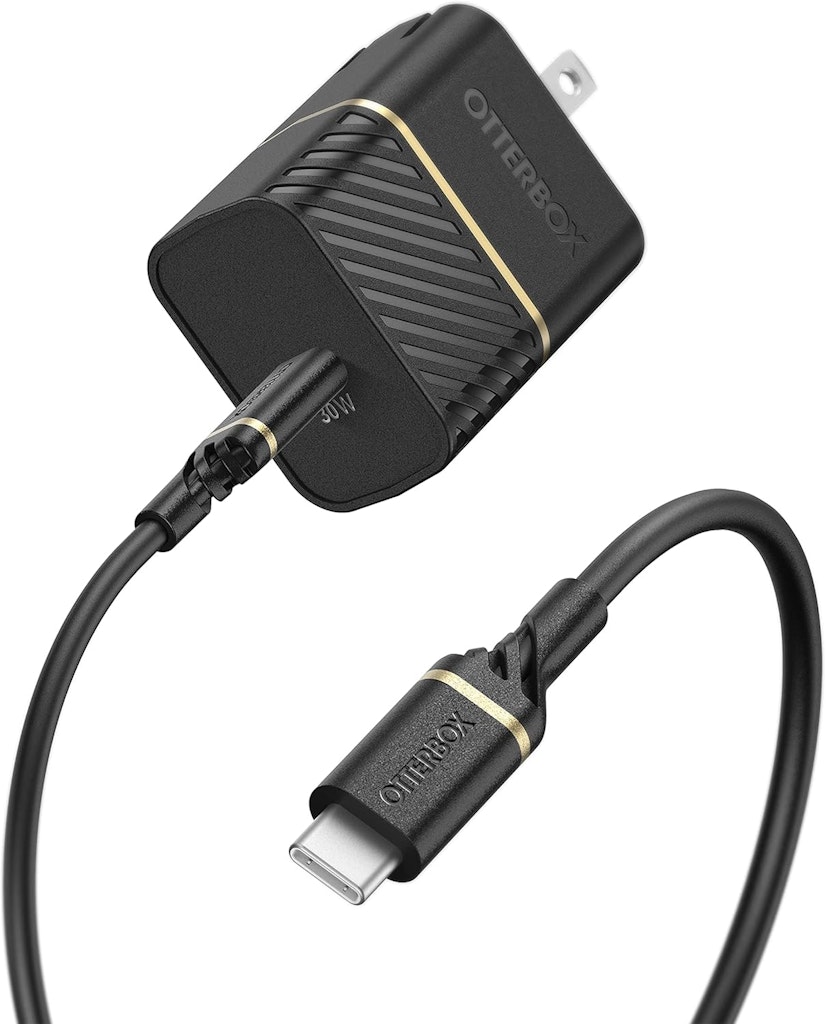
At Woot, get this OtterBox USB-C 30W Charger w/ USB-C Cable for $9.99. You can also get a 2-pack for $16.99 or a 3-pack for $21.99. Shipping is free for Prime members. Buy Now at Woot! An Amazon Company
Amazon · Jun 29, 2026
$16 $23
free shipping w/ Prime
more
↑ less
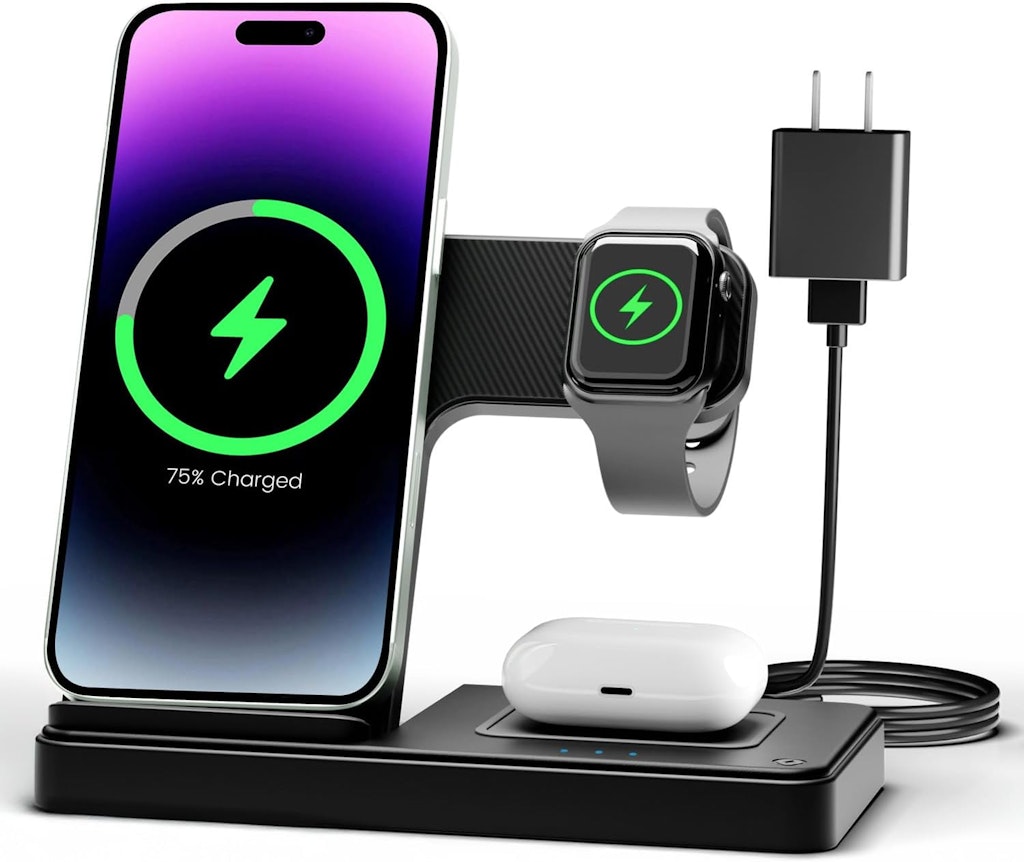
Amazon offers this 3-In-1 Wireless Charging Station for $16.11 in Black. That's a 30% savings. Shipping is free for Prime members. Buy Now at Amazon
Walmart · Jun 29, 2026
$22 $130
free shipping
more
↑ less
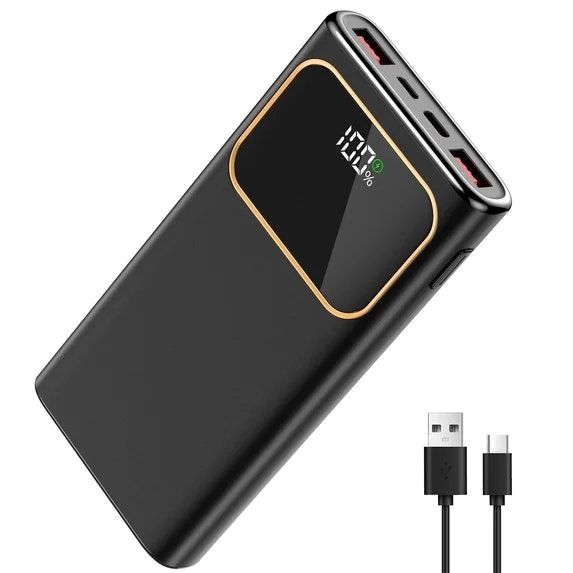
Walmart offers the Btootos 20,000mAh Portable Charger Power Bank for $21.99. That's a savings of $108. Free shipping applies with a purchase of $35 or more. Buy Now at Walmart
Features
- 22.5W PD 3.0 and QC4+ fast charging
- USB-C, dual USB-A, and Micro USB ports
- Charge up to three devices simultaneously
- LED battery level display
eBay · Jul 14, 2026
$14 $50
free shipping
more
↑ less
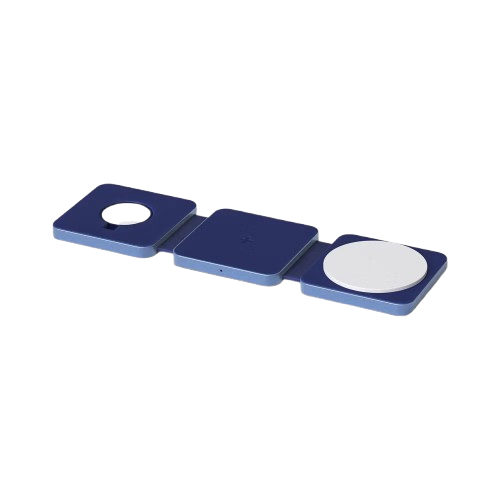
eBay offers the heyday Qi2 Wireless 3-in-1 Folding Charging Pad for $13.99. That's a $36 low. Shipping is free. Buy Now at eBay
eBay · Jul 13, 2026
$13 $30
free shipping
more
↑ less
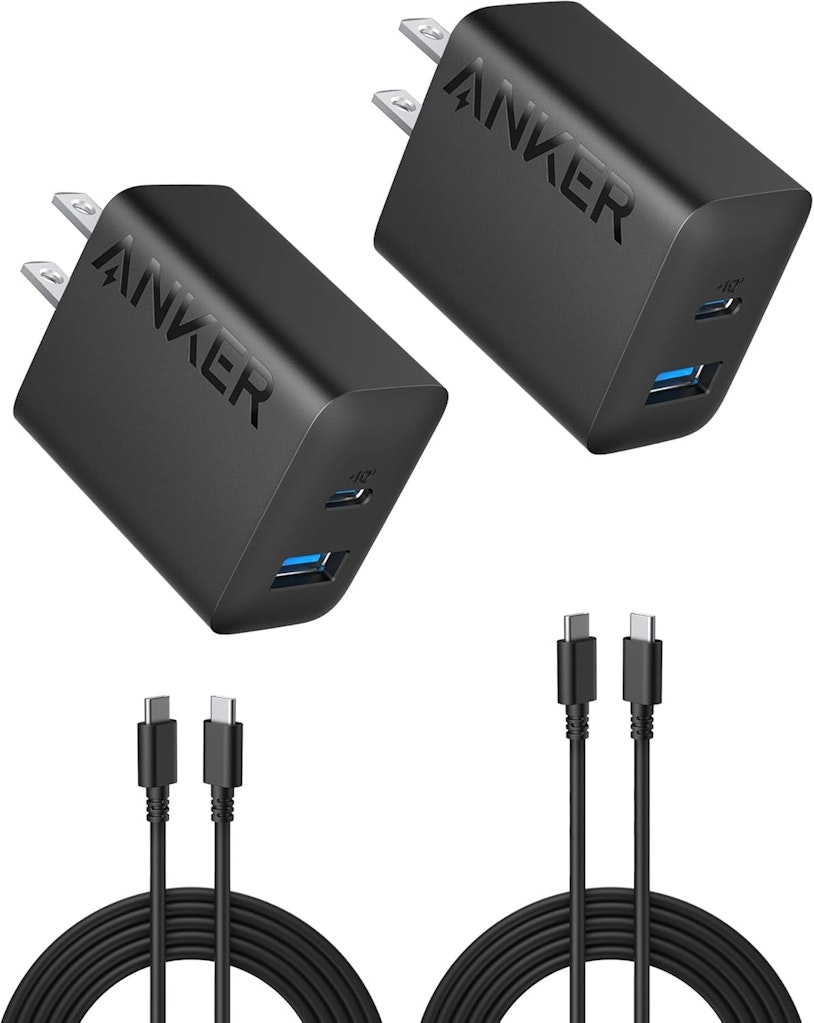
This refurbished Anker 2-pack of 20W USB-C wall chargers is $12.83, about $4 less than buying new at Amazon or Walmart. The certified refurbished units include a 2-year warranty backed by Allstate and include free shipping and 30-day returns. Buy Now at eBay
Features
- Two 20W USB-C fast charging wall adapters included
- Compatible with iPhone 13 through 17 and various Samsung Galaxy models
- Foldable plug design for portability
- 1.5-year manufacturer warranty backed by Allstate
- Weighs 2.86 oz. per adapter
- ActiveShield 2.0 safety technology
staff pick
Amazon · Jun 25, 2026
$95 w/ Prime $150
free shipping
more
↑ less
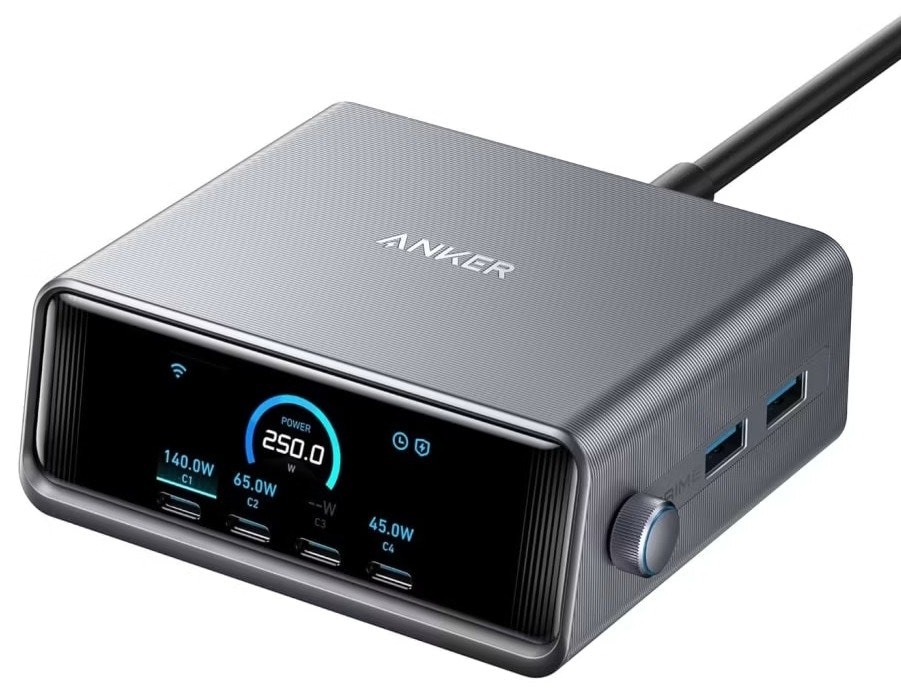
At Amazon, get the Anker Prime 250W Prime Charging Station for $95. That's $5 less than our mention from March and the best deal we've seen for this Anker charging station. The 250W total output is split across four USB-C and two USB-A ports, with the primary USB-C port delivering up to 140W. Buy Now at Amazon
Features
- 2.26" LCD display
- four USB-C and two USB-A ports
staff pick
Amazon · Jun 25, 2026
$26 w/ Prime $40
free shipping w/ Prime
more
↑ less
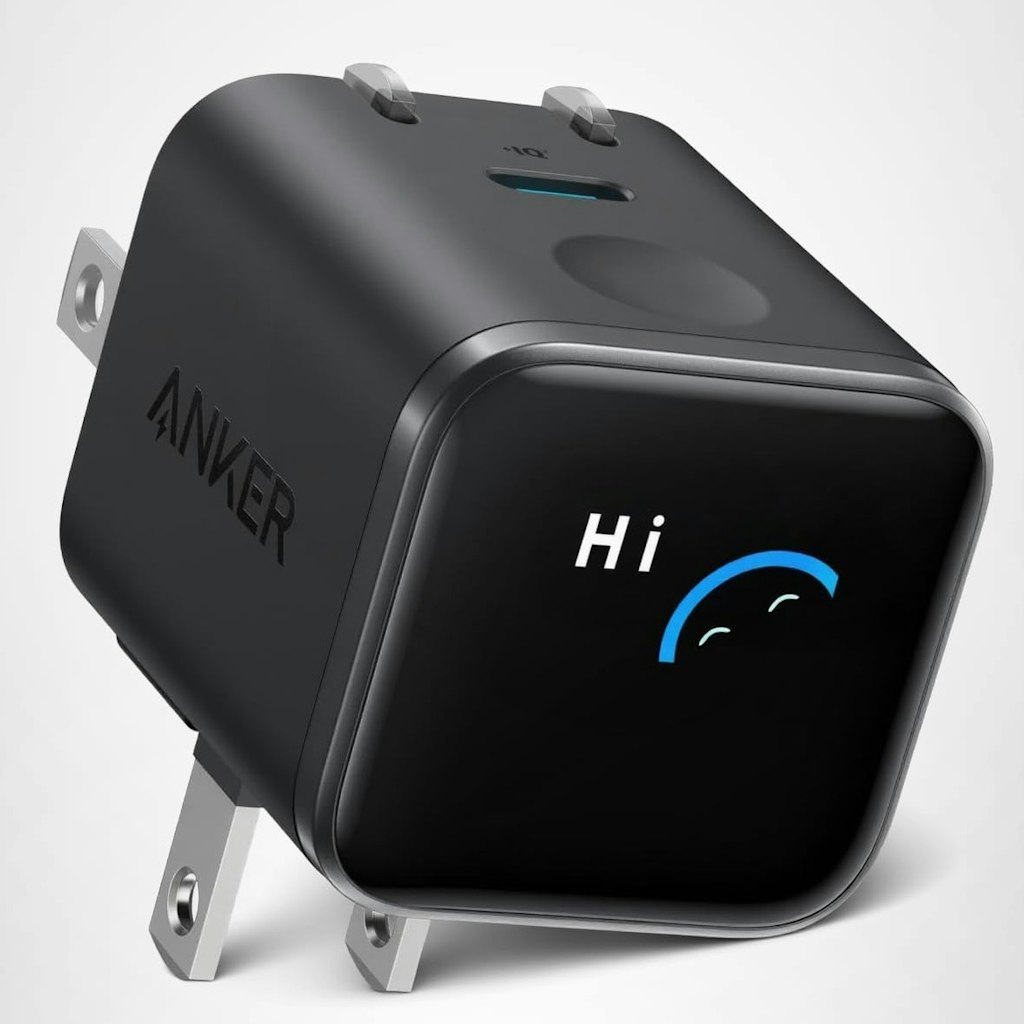
At Amazon, get this Anker Nano 45W GaN USB-C Charger for $26. It's the best price we've seen for this model. It delivers up to 45W and includes a built-in display that shows real-time charging status, a feature not common at this price. The TÜV-certified Care Mode reduces charging temperature by up to 9°F compared to standard 45W chargers. Buy Now at Amazon
Features
- 45W max GaN charging
- Built-in smart display with real-time charging status
- TÜV-certified Care Mode
- 180° foldable plug
- 1 USB-C port
- Compatible with iPhone 17/16/15 series and select iPad Pro models
Amazon · Jun 24, 2026
$34 w/ Prime $40
free shipping
more
↑ less
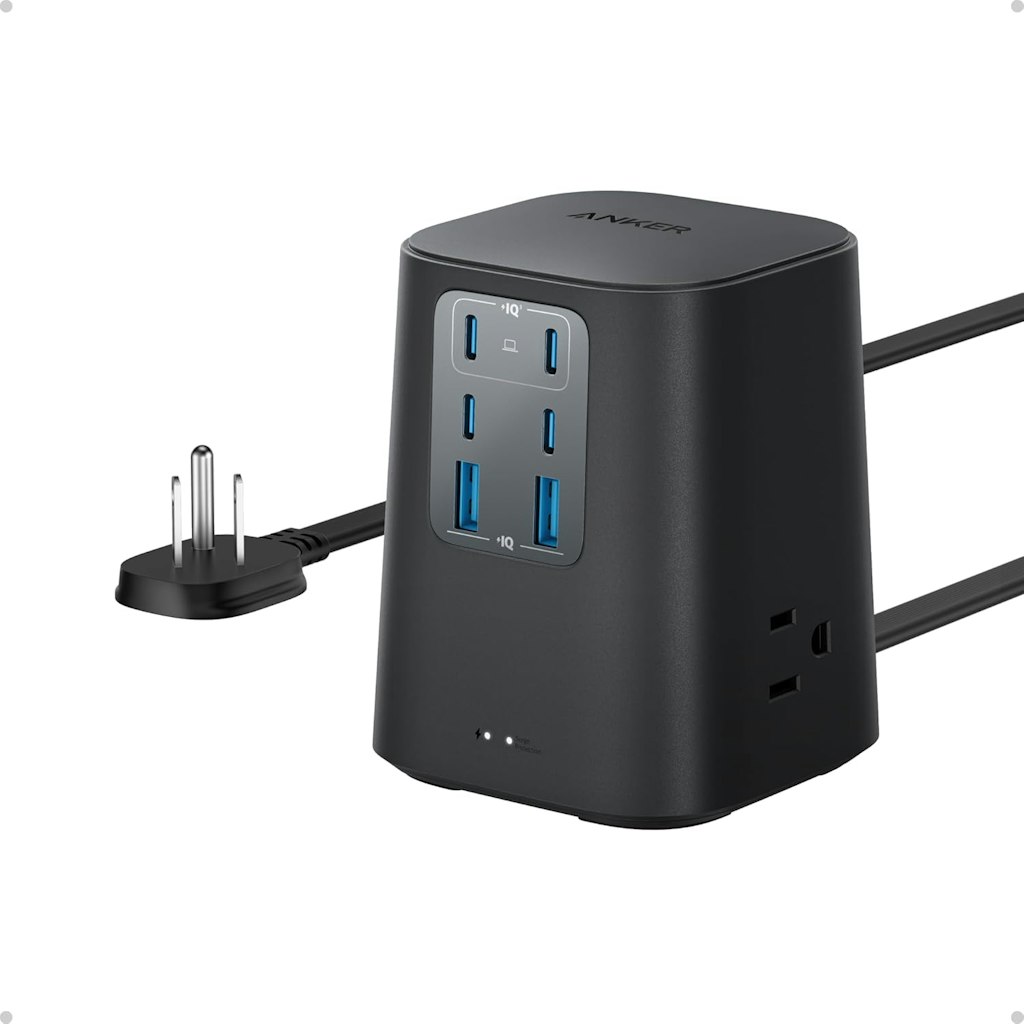
Prime members get the Anker 9-in-1 100W Charging Station for $34. Shipping is free. You'd pay $6 more elsewhere. Buy Now at Amazon
Features
- three AC outlets
- four USB-C ports
- two USB-A ports
staff pick
Amazon · Jun 24, 2026
$57 w/ Prime $80
free shipping
more
↑ less
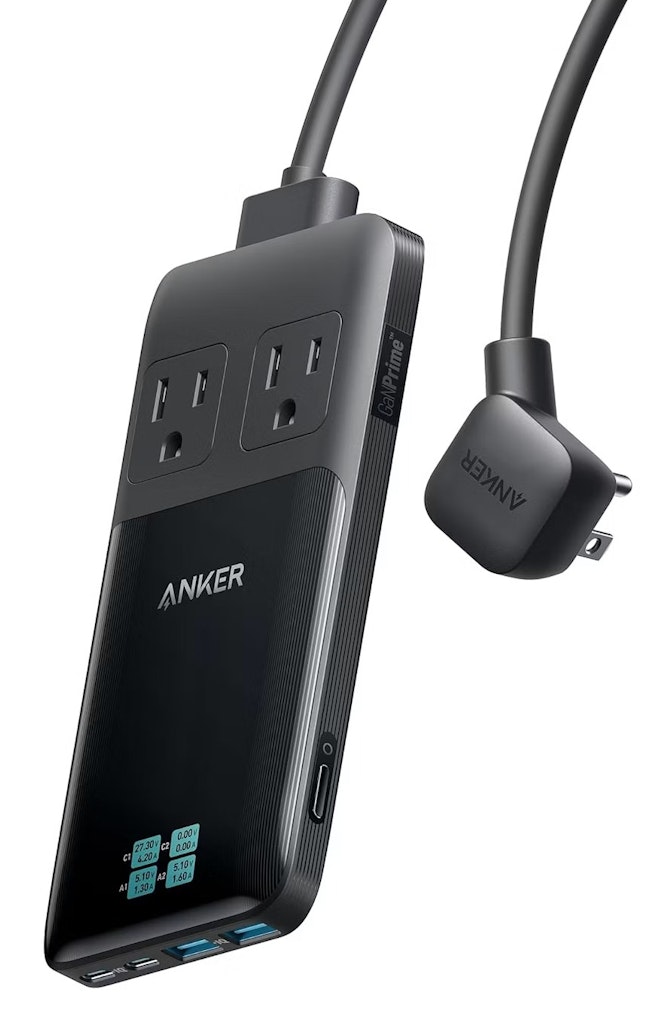
At Amazon, get the Anker Prime 6-in-1 Charging Station for $57. It's the best deal we've seen for this charging station. It offers 2 AC outlets, 2 USB-C ports, and 2 USB-A ports in a 0.7"-thick body, with a single USB-C port delivering up to 140W. Shipping is free. Buy Now at Amazon
Walmart · Jul 8, 2026
$5 $10
free shipping w/ $35
more
↑ less
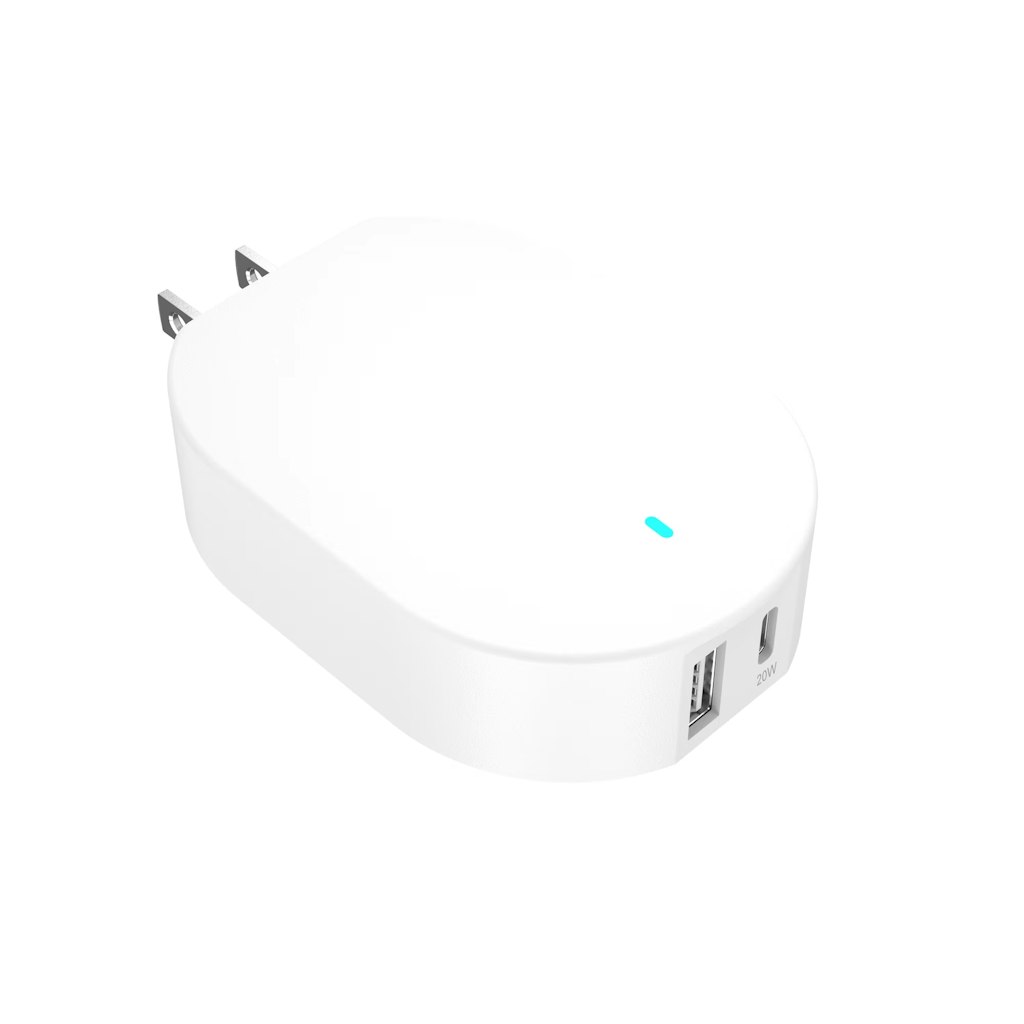
If you're looking for a budget charger, this Onn dual port model at Walmart is just $5. That's a $5 low. Choose pickup or spend $35 to avoid the $6.99 shipping charge. Buy Now at Walmart
Popular Deal
Amazon · Jul 8, 2026
Popular Deal
Up to 45% off
free shipping w/ Prime
more
↑ less
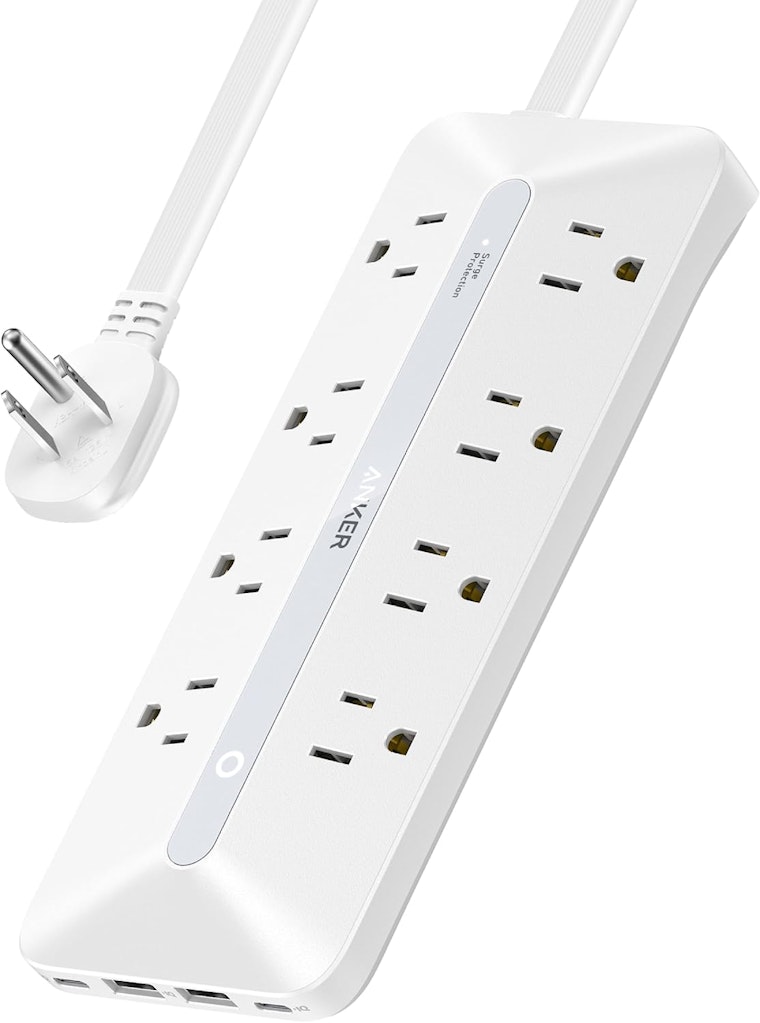
Here you'll find Amazon's latest deals on a large selection of Anker charging items, featuring discounts of up to 45% off. Shipping is free for Prime members. Shop Now at Amazon
Popular Deal
Amazon · Jun 21, 2026
Popular Deal
Up to 43% off
free shipping
more
↑ less
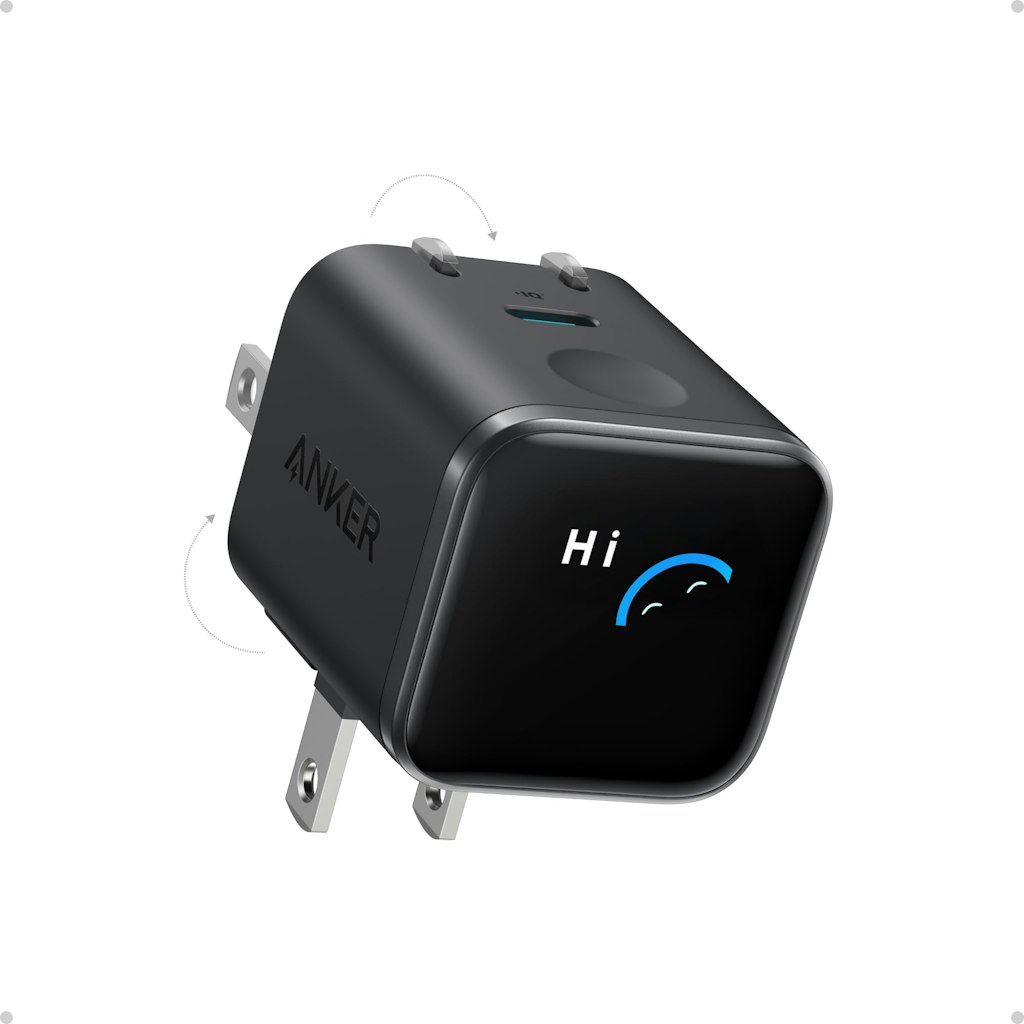
Amazon's Anker store is discounting a range of chargers, power banks, cables, and charging stations by up to 43% off. Highlights include the Anker Nano 45W USB-C charger at $28 and the Anker Prime 100W 3-port GaN charger at $40. Prices may dip lower during Prime week, but you're sure to find some great deals now. Shop Now at Amazon
staff pick
Amazon · Jun 25, 2026
$100 w/ Prime $150
free shipping
more
↑ less
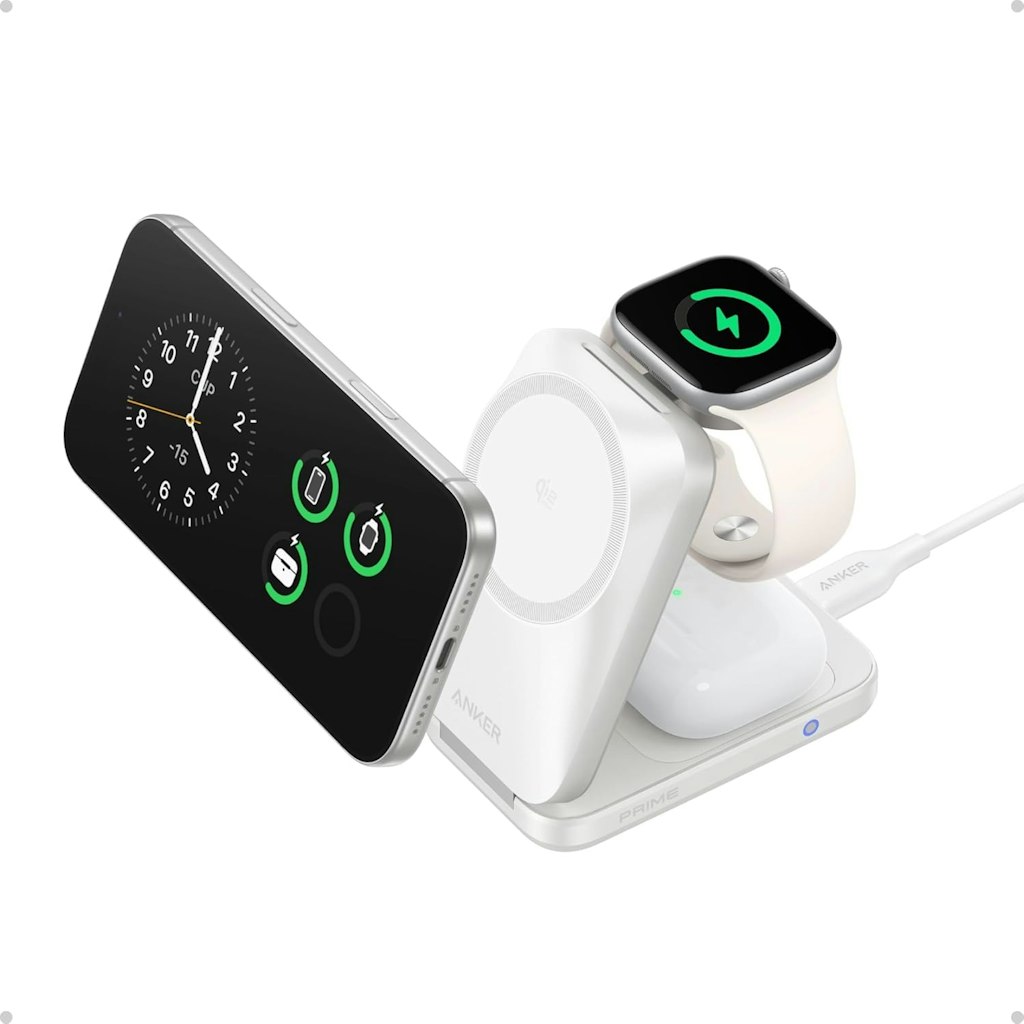
This Anker Prime 3-in-1 charging station drops to $100 with Prime, $50 off its regular price and below its Amazon all-time low of $105. Shipping is free. Buy Now at Amazon
Features
- Qi2.2-certified 25W wireless charging
- Charges iPhone 17 Pro to 50% in 26 minutes
- AirCool system operates at 19 dB, keeps phone below 98.6°F
- Folds to 3.74" x 2.38" x 1.22", weighs 8 oz
- MFi-certified Apple Watch charging
- Includes 45W USB-C adapter and 5-ft USB-C cable
Newegg · Jun 22, 2026
$26 $30
free shipping
more
↑ less
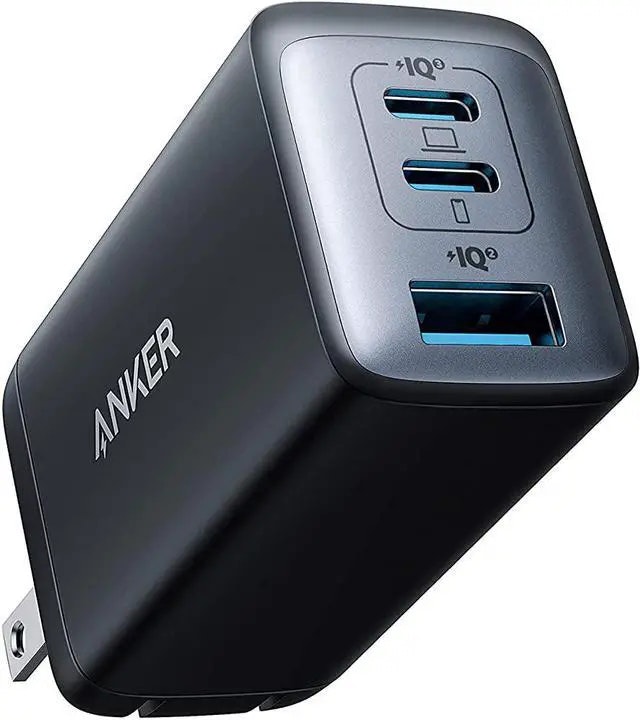
Apply promo code "FTTF5877" to drop this to $26, $4 under the $30 you'd pay at Amazon. The charger delivers up to 65W from a single USB-C port and can power three devices simultaneously across two USB-C ports and one USB-A port. Buy Now at Newegg
Features
- compatible with Apple or Android/Windows devices
Best Buy · Aug 11, 2026
$20 $50
free shipping
more
↑ less
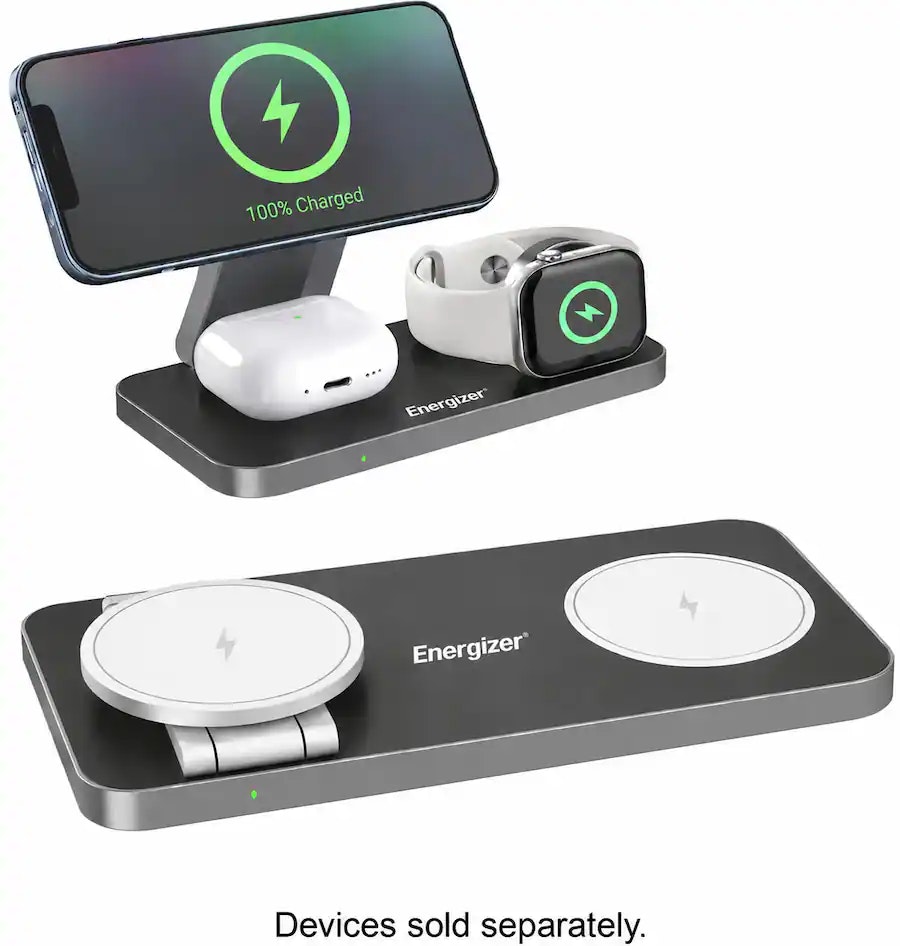
This Energizer 3-in-1 charging stand is $30 off Best Buy's regular price of $49.99. My Best Buy members get free shipping on all orders (it's free to join). Buy Now at Best Buy
Popular Deal
staff pick
eBay · Aug 5, 2026
Popular Deal
Up to 30% off
free shipping
more
↑ less
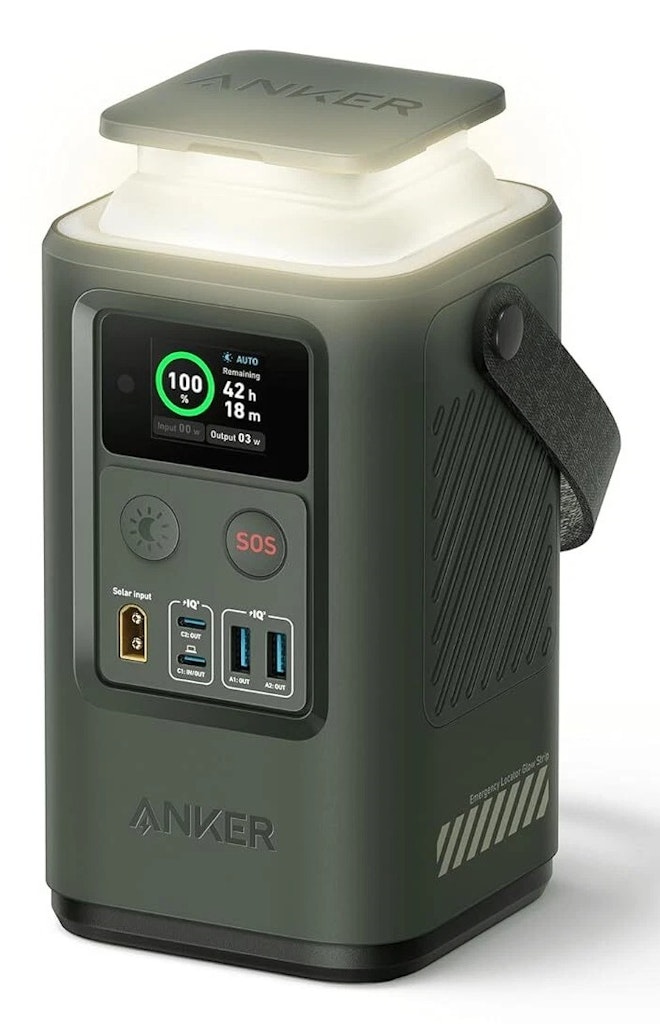
Anker's certified refurbished lineup at eBay covers everything from compact wall chargers to full-size portable power stations. A 250W GaN charging station with an LCD display is $85, down from $170, and a SOLIX C1000X power station drops to $507 from $999. The range spans small accessories under $15 up to larger power stations over $500. Refurbs include 1- or 2-year Allstate warranties. Shop Now at eBay
The cell phone charger market has undergone a massive transformation, evolving from a standardized "brick in the box" to a high-tech ecosystem of Gallium Nitride (GaN) blocks, MagSafe magnetic arrays, and high-capacity portable power stations. Since major manufacturers like Apple and Samsung stopped including charging bricks with new device purchases, the third-party market has exploded, offering consumers more power and portability for a fraction of the official MSRP. By leveraging aggressive e-commerce promotions and understanding the technical specs of modern Power Delivery (PD), shoppers can secure professional-grade charging infrastructure without paying premium prices.
The primary value proposition of the modern third-party charger market lies in efficiency and versatility. While an official 20W charger from a phone manufacturer might cost $20, deal hunters can often find 100W 4-port GaN chargers for as low as $15 on platforms like Woot. This allows users to charge a laptop, phone, and tablet simultaneously from a single outlet. By tracking discounts at retailers like AT&T and "Shell Shocker" deals and Amazon promo codes, shoppers can build a high-speed charging setup that outperforms the "official" gear while saving 50% to 80% on the cost.
Comparing Charger Savings Across Key Retailers
Where you buy your charger often dictates the balance between price, safety certification, and shipping speed.
Retailer Comparison Table
|
Retailer |
Primary Deal Type |
Key Benefit |
Risk/Effort Level |
|
AT&T |
Multi-Buy Bundles |
Guaranteed authentic; high-end brands (OtterBox, Belkin). |
Medium (Wait for "Buy 2, Get 1" sales). |
|
AliExpress |
Direct-from-Factory |
Absolute lowest prices; unique "niche" gadgets. |
High (Variable shipping; safety varies). |
|
Newegg |
Tech Bundles / GaN |
Deep specs on professional GaN blocks and hubs. |
Low (Reliable technical filtering). |
|
Samsung |
Ecosystem Bundling |
Top-tier "Super Fast Charging" 2.0 compatibility. |
Low (High quality, but high MSRP). |
AT&T: The Authenticity Choice
AT&T is a strong contender for shoppers who prioritize brand-name reliability. While their individual MSRPs are often high, they frequently run "Mix and Match" promotions where buying three accessories (like a charger, a cable, and a case) triggers a 20% to 30% discount. This is the best place to find high-performance gear from OtterBox and Belkin with the guarantee that the hardware is MFi-certified and safe for high-end flagships.
AliExpress: The High-Volume Treasure Hunt
For those looking for the absolute basement in pricing, AliExpress (and its sister site Alibaba) is the leader. You can find 15W wireless charging pads for as low as $3 or massive 320W 8-port desktop stations for under $20. The "Electronics Promos" here are unbeatable for simple items like braided cables or basic wireless pads. However, deal hunters should stick to established brands like Baseus or Ugreen on the platform to ensure the hardware meets international safety standards.
Newegg: The Enthusiast's Power Hub
Newegg has great deals on cellphone chargers and applies its technical expertise to the charging market by offering deep inventory on GaN (Gallium Nitride) technology. This is the premier destination for professionals who need high-wattage desktop charging stations. Newegg's "Combo Up" savings often allow you to pair a high-speed charging block with a 100W-rated USB-C cable for a lower total price than buying them individually.
Samsung: The Proprietary Powerhouse
Samsung's official chargers are the gold standard for owners of the Galaxy S-series. Because Samsung uses a specific "PPS" (Programmable Power Supply) protocol for their 45W Super Fast Charging, third-party chargers occasionally underperform. To save money here, look for Samsung's "Bundle and Save" options during phone launch windows or check the "Refurbished" section on their site for certified power bricks at a discount.
Top Product Categories to Watch for Discounts
Not all chargers are created equal, and in a market flooded with generic "gray-market" hardware, identifying the right technology is key to securing a real deal. Based on historical data from DealNews, these are the four specific categories where shoppers can find the most significant savings without compromising on device safety or charging speed.
Multi-Port GaN Wall Chargers: The Modern Power Standard
Gallium Nitride (GaN) technology has revolutionized the charging industry by allowing manufacturers to create blocks that are smaller, run cooler, and provide significantly higher wattage than traditional silicon-based bricks.
- The Power-to-Size Advantage: A GaN charger can provide enough power for a high-end laptop (65W–100W) while remaining small enough to fit in a pocket. For the deal hunter, this represents a "one-and-done" solution that replaces three or four separate wall bricks.
- Pricing Trends: While GaN was once a premium technology, prices have stabilized. We frequently see UGREEN 30W blocks for $17 (down from $30) and high-capacity 100W 4-port stations for just $33. These are common "Staff Picks" on Amazon and Newegg during seasonal sales.
- Deal Hunter Tip: Look for "GaN II" or "GaN III" labeling; these represent newer generations with even better thermal management and efficiency.
3-in-1 Magnetic Charging Stations: Ecosystem Efficiency
With the widespread adoption of Apple's MagSafe and the industry-wide Qi2 standard, 3-in-1 stands have become the premier desk and bedside accessory. These devices utilize magnetic arrays to charge a smartphone, a smartwatch, and wireless earbuds simultaneously.
- Bypassing the "Apple Tax": Official Apple MagSafe Duo or Trio chargers often retail for $129–$150. In contrast, third-party alternatives from brands like Anker, PaktVault, and Best Buy Essentials offer the same 15W fast-charging capabilities for a fraction of the cost.
- The Deal Landscape: We recently tracked the Anker MagGo 3-in-1 stand for $45 (a 50% discount) and the PaktVault 3-in-1 MagSafe charger for just $18 using exclusive promo codes. Foldable designs are particularly valuable for frequent travelers looking to minimize cable clutter.
High-Capacity Portable Power Banks: Mobile Insurance
For users who are frequently away from a wall outlet, portable power banks are a non-negotiable accessory. The current "sweet spot" for value is the 10,000mAh to 20,000mAh range, which provides enough energy to charge a modern smartphone 2 to 4 times.
- Feature Integration: Modern power bank deals often include high-value features like integrated USB-C cables (removing the need to carry extra wires) or magnetic "snap-on" batteries that attach directly to the back of an iPhone.
- Savings Opportunity: While MSRPs for 10,000mAh wireless units often hover around $40, DealNews curators frequently find these units for $14.99 on Amazon. Look for units that support "Bi-directional" USB-C, which allows the bank itself to recharge at high speeds.
Retractable and Specialty Travel Chargers: The One-Cable Solution
A newer sub-category of charging deals focuses on the "all-in-one" travel block, which incorporates retractable cables and multiple plug types into a single chassis.
- Eliminating Cable Failures: Retractable chargers, like the Baseus 67W 3-in-1 block, include built-in 32-inch cables. Because the cable is housed within the block, it is protected from the tangling and fraying that typically kills standard charging wires.
- The Price Point: These specialty units are frequent subjects of "Clip-on Coupons" on Amazon. We have seen 65W GaN retractable chargers drop to $17.99, making them an essential buy for commuters and digital nomads who need to maintain a minimalist gear bag.
- Strategic Play: These units are often priced aggressively during "Amazon Prime Day" and "Black Friday" events as brands use them as loss-leaders to introduce customers to their wider ecosystem of cables and hubs.
The Charger Buying Calendar: Strategic Timing
In the world of electronics accessories, price is often dictated by the release cycles of the "Big Two" (Apple and Samsung). Because chargers are high-volume, low-margin items, retailers use specific windows throughout the year to flood the market with promo codes. Understanding these cycles allows you to avoid paying the "necessity premium" that occurs when you lose a charger and need an immediate replacement.
Prime Day and Black Friday (July and November): The Ecosystem Overhaul
These windows represent the "Super Bowls" of the charging market. Major third-party players like Anker, Ugreen, and Baseus utilize these events to boost their sales rankings on Amazon and Newegg.
During these events, it is common to see flagship products—such as high-wattage "Prime" series desktop stations or 20,000mAh power banks—slashed by up to 60%.
Brands often use Black Friday to clear out "Generation 1" GaN hardware to make room for newer, more efficient iterations launching in the new year.
This is the best time to invest in high-ticket items like multi-port GaN charging stations (60W–150W) or Qi2-certified magnetic stands, which rarely see deep discounts outside of these major site-wide sales.
New Phone Launch Windows (September and February): The "Early Bird" Promo Surge
When Apple launches a new iPhone in September or Samsung reveals the Galaxy S-series in February, the demand for chargers sky-packs. Third-party manufacturers compete fiercely for the attention of millions of new phone owners.
Watch for Amazon and Newegg "Clip Coupon" offers during these weeks. To secure "First Page" search results, brands will offer aggressive promo codes that can drop the price of basic 2-pack 45W fast chargers to as low as $4.99.
Many retailers will bundle chargers with cases or screen protectors during these windows. While the individual charger might not look like a massive deal, the "Buy 2 Get 1 Free" or "Buy a Case, Get a Charger for $5" offers at AT&T and Best Buy provide excellent value for those starting from scratch with a new device.
Back-to-School Season (August): Dorm Room Power
August is an overlooked window for specialized charging hardware. Students heading to dorms create a massive demand for long-reach cables and multi-outlet power strips.
Look for significant markdowns on 6ft and 10ft braided USB-C cables. These are often bundled in 2-packs or 3-packs for under $10. High-wattage power strips that include both traditional AC outlets and high-speed USB-C PD ports (like the Anker 7-in-1 Nano Charging Station) frequently hit their lowest prices of the year in August, often dropping to $60 (a $30 savings).
Post-Holiday Clearance (January): The Stock Flush
January is the "hidden" season for charger deals. Retailers like Walmart and Target often find themselves with overstock of "Holiday Gift Sets"—frequently containing a power bank, a wall brick, and a carrying case.
Once the "Gifts for Him/Her" endcaps are dismantled, these sets are often marked down by 50% to 75% to clear shelf space for new spring inventory. While these might be "older" silicon tech rather than GaN, they represent the absolute lowest cost-per-watt for budget-conscious shoppers.
Technical Guide: How to Ensure Your "Deal" Actually Works
A charger is only a true bargain if it delivers the specific power your device requires. Buying a "fast charger" that lacks the correct internal protocols can result in frustratingly slow charge times or, worse, excessive heat that damages your battery. Before clicking "Buy," check these technical specifications to ensure compatibility.
Wattage (W) and Device Intake: Matching Power to the Product
The wattage listed on a charger represents its maximum output, but your phone determines how much of that power it can actually "inhale."
An iPhone 16 Pro Max needs at least 30W to hit its peak charging speeds, while a Samsung Galaxy Ultra requires 45W. If you buy a 20W charger—even a high-quality one—you will be bottlenecked, and your phone will take significantly longer to reach 100%.
A common misconception is that using a high-wattage charger (like a 100W MacBook brick) will "fry" a phone. Modern electronics use sophisticated handshaking; a 100W charger will safely deliver only the 20W or 30W your phone asks for. Always aim for a charger that meets or slightly exceeds your device's maximum intake. Buying a 65W GaN block is often the best value, as it can fast-charge your phone today and power a tablet or laptop tomorrow.
PD (Power Delivery) and PPS: Understanding the "Language" of Charging
Wattage is the "volume" of power, but PD and PPS are the "languages" the charger and phone use to communicate. If they don't speak the same language, the charger defaults to the slowest, safest speed (usually 5W).
This is the universal standard used by Apple, Google Pixel, and most modern laptops. If a deal doesn't explicitly mention "PD" or "Power Delivery," it may not be able to trigger the fast-charging hardware in your device. This is a critical sub-protocol of the PD standard. Samsung users, in particular, must look for PPS support to achieve "Super Fast Charging 2.0." Without PPS, a 45W charger might only charge a Galaxy phone at 15W or 25W.
Be wary of deals highlighting "VOOC," "Dash Charge," or "Warp Charge." These are proprietary standards for specific brands (like OnePlus). While they are fast for those specific phones, they often lack the universal PD standards needed to fast-charge an iPhone or Samsung.
GaN Technology vs. Silicon: Efficiency and Battery Longevity
The internal chemistry of your charger dictates how much energy is wasted as heat.
Gallium Nitride (GaN) is a high-performance alternative to the traditional silicon used in older power bricks. GaN components are more efficient, allowing chargers to be 30% to 50% smaller while producing significantly less heat.
Heat is the primary enemy of lithium-ion batteries. Silicon chargers often become hot to the touch during a "fast-charge" cycle, which can contribute to long-term battery degradation. GaN chargers run much cooler, which helps preserve your phone's maximum battery capacity over several years.
While basic silicon chargers are frequently the subject of "3-pack for $10" deals on AliExpress or Amazon, they are often bulkier and less reliable. Investing an extra $5 to $10 in a GaN-certified block is a smarter long-term move for anyone looking to protect a $1,000 smartphone investment.
Key Terms and Conditions for Charging Gear
Understanding the legal and technical fine print is arguably more important when shopping for chargers than for any other smartphone accessory. Because these devices handle high-voltage electricity, a "deal" that ignores safety standards or compatibility requirements can result in damaged hardware or even household hazards. To protect your investment, pay close attention to the following stipulations before finalizing your purchase.
The "No Cable" Caveat: Factoring in the Total Cost
One of the most frequent traps for deal hunters is the "headless" charger deal. Many of the most attractive offers—particularly the high-volume 3-packs of 20W bricks or professional-grade 100W GaN stations—do not include a USB-C or Lightning cable in the box. When calculating your actual savings, you must factor in the price of a high-quality, high-wattage cord.
The charger is only one-half of the fast-charging equation; the cable acts as the vital bridge. If you pair a 100W charger with a basic cable meant for a desk lamp, the system will "bottleneck," limiting your speeds to the bare minimum or potentially overheating the wire. For Apple users, this means ensuring the cable is MFi-certified (Made for iPhone), and for high-wattage users, ensuring the cable is rated for 5A/100W with an "E-Marker" chip to safely handle the current.
Safety Certifications: The Non-Negotiable UL and ETL Standards
Because cell phone chargers are prone to overheating and can act as potential fire hazards, deal hunters must prioritize safety certifications over raw price. Reputable chargers sold in North America should carry the UL Listed or ETL Certified mark. these logos signify that the device has undergone rigorous independent testing to ensure it won't short-circuit or catch fire under heavy load.
While shopping on global marketplaces like AliExpress or Alibaba, you will frequently encounter the "CE" mark, which is the European safety standard. While helpful, it is less strictly enforced than UL or ETL. A red flag for any deal hunter is a high-wattage (65W+) charger priced suspiciously low, such as under $10. These units often lack the sophisticated thermal throttling and "auto-shutoff" sensors found in established brands like Anker or Samsung, making them a risky choice for overnight charging.
Return Policies and the "Coil Whine" Dealbreaker
The return policy for small electronics is often more restrictive than for flagship smartphones. Many retailers enforce a "Replacement Only" policy for accessories, meaning if the charger is defective, they will send you another one rather than refunding your money. On platforms like Amazon and Newegg, it is essential to verify that the item is eligible for a full refund within a 30-day window to avoid being stuck with incompatible hardware.
A primary reason for returning chargers is a phenomenon known as "Coil Whine." This is a high-pitched buzzing or whistling sound caused by the internal inductors vibrating as electricity passes through them. While it doesn't always indicate a safety risk, it can be an immediate dealbreaker if the charger is used on a nightstand. Lower-cost chargers are more prone to this issue due to cheaper internal dampening, so ensuring you have a clear path to a refund is a vital safety net for your wallet.
Cell Phone Charger Savings: Frequently Asked Questions
Navigating the world of charging accessories can be daunting due to the sheer volume of technical jargon and "too good to be true" price points. Below are the most common questions deal hunters ask when looking to build a high-speed charging setup without overspending.
Is It Safe to Use a $15 Third-Party Charger With My $1,000 Smartphone?
Yes, provided the charger comes from a reputable brand and carries safety certifications (UL or ETL). High-quality third-party manufacturers like Anker, Ugreen, and Baseus often use the same—or better—internal components than the official "branded" bricks. However, avoid unbranded, "no-name" chargers found in gas stations or deep-discount bins, as these often lack the thermal sensors required to prevent overcharging and battery damage.
Can I Save Money by Using My Laptop Charger for My Phone?
Absolutely. In fact, this is a top-tier savings strategy. Most modern laptops use the USB-C PD (Power Delivery) standard. Because these bricks are high-wattage (usually 65W to 140W), they can safely fast-charge any smartphone. The devices will "handshake" to ensure the phone only receives the maximum power it can handle. Using one high-quality laptop brick for all your devices eliminates the need to buy multiple smaller chargers.
Why Is My "45W Fast Charger" Charging My Phone So Slowly?
This is the most common frustration for deal hunters, and it usually stems from one of two "bottlenecks":
- The Cable: If you are using a standard cable not rated for high wattage, the system will default to a slow speed for safety. You generally need a 5A/100W rated cable to see true "Super Fast" speeds.
- The Protocol: If you have a Samsung device, your charger must specifically support PPS (Programmable Power Supply). If the charger is 45W but lacks PPS, your Samsung phone may only charge at 15W or 25W.
Is Wireless Charging a Good "Value" Buy?
From a purely financial standpoint, wired charging is almost always the better deal. Wireless chargers are less efficient (losing energy as heat), charge significantly slower than cables, and usually cost more. However, if you are looking for a deal on wireless, look for the Qi2 standard. Qi2 offers magnetic alignment similar to Apple's MagSafe but is often cheaper than official Apple-branded gear and works across both Android and iOS ecosystems.
How Do I Know If a "Clip Coupon" on Amazon Is a Real Deal?
Amazon is famous for "inflated MSRPs" followed by large 30% to 50% clip-on coupons. To verify if it's a real deal, compare the final price to the historical average for that wattage. For example, a 65W GaN charger is a "Great Deal" if the final price is under $20, regardless of what the original MSRP claims to be.
What Is MFi Certification, and Is It Worth Paying Extra For?
MFi (Made for iPhone/iPad) is a licensing program from Apple. While MFi-certified cables and chargers are more expensive, they guarantee compatibility. Non-MFi cables may work initially, but Apple frequently releases software updates that can "lock out" uncertified accessories, resulting in a "This accessory may not be supported" error. For long-term value, always opt for MFi-certified gear for Apple devices.
Do "Multi-Port" Chargers Share Power, or Is Every Port Fast?
Most multi-port chargers share their total wattage. For example, a 65W charger might provide the full 65W to a single laptop, but if you plug in a phone at the same time, it may split into 45W for the laptop and 20W for the phone. When shopping a deal, check the "Power Allocation" chart in the product images to ensure the ports provide enough juice when used simultaneously.
How We Find and Publish Charger Deals
Our dedicated team of deal curators is on a constant mission to find the very best cell phone charger deals for you. We scour Amazon for hidden clip-on coupons, monitor Woot's daily "Power" events, and verify the technical specs of every GaN block and power bank we post. By checking DealNews, you ensure that you are getting the highest wattage and the safest hardware for the lowest possible price.
Want to know the moment we post a great deal on Cell Phone Chargers?
Create an Alert