How Much Does A 20-Minute Uber Cost? Cost Per Mile This May 2026

Wondering how much that Uber ride is going to set you back? You're not alone. The truth is, the cost of a 20-minute Uber can vary quite a bit, as it depends on a variety of factors. But don't worry, we're here to break it all down for you. And speaking of your wallet, one of the easiest ways to cut costs is by taking advantage of Uber promo codes for discounts on your rides.
How Much Does Uber Cost in May 2026?

Uber First Ride Promo Code
30% offNew Uber users can apply promo code "FTUBERUS2026" to your first ride and save 30% off. Note that the maximum discount will be $8 and some exclusions may apply, such as during surge pricing times. This offer is valid through December 31, 2026.

Uber Eats May 2026 Promo Code
Extra $10 off first $20+ orderNew Uber Eats customers can apply the promo code "affeats10us526" to save $10 on your first order of $20 or more throughout May 2026. Note that some exclusions may apply and this coupon has a limited number of 9,000 uses, so don't wait too long to use it. This offer is valid from May 1, 2026 through May 31, 2026.

Uber One Student Discount
Free 4-week trial + 50% offQualifying students can sign up for Uber One and get 4 weeks for free to try out all the perks the service offers. Even better, after that, students can keep the service for just $4.99 per month - that's a 50% discount off the regular price. Benefits of the service include:
- $0 delivery fee on eligible food, groceries, and more
- Up to 10% off eligible deliveries and pickup orders
- Earn 6% Uber One credits on eligible rides and get matched with top-rated drivers
- Uber One Exclusives including special offers and promotions
- Save on thousands of your favorite restaurants and stores
Uber One 6-Month Trial
Free w/ Apple CardUse your Apple Card with Apple Pay to sign up for Uber One, and you'll get a 6-month free trial. Your subscription will automatically renew at $9.99 per month after the trial unless cancelled. This deal is ongoing, and must be activated by clicking here.
Uber One Monthly Credit
Up to 12 months free w/ Delta SkyMiles Amex CardUse a qualifying Delta SkyMiles American Express card to pay for an auto-renewing Uber One monthly membership, and you can get up to 12 months for free — a $10 savings per month.
- Pay with a Delta SkyMiles Reserve, Reserve Business, Platinum, or Platinum Business American Express card, and you'll get 12 months for free.
- Pay with a Delta SkyMiles Gold or Gold Business American Express card and you'll get six months for free.

Uber Eats Uber One Membership
$9.99/mo or $96/yrThe Uber One membership is $9.99 per month or the annual membership is $96. Membership perks include:
- $0 Delivery Fee on eligible food, groceries, and more
- Up to 10% off eligible deliveries and pickup orders
- 6% Uber Cash back and top-rated drivers on eligible rides
- Cancel without fees or penalties.
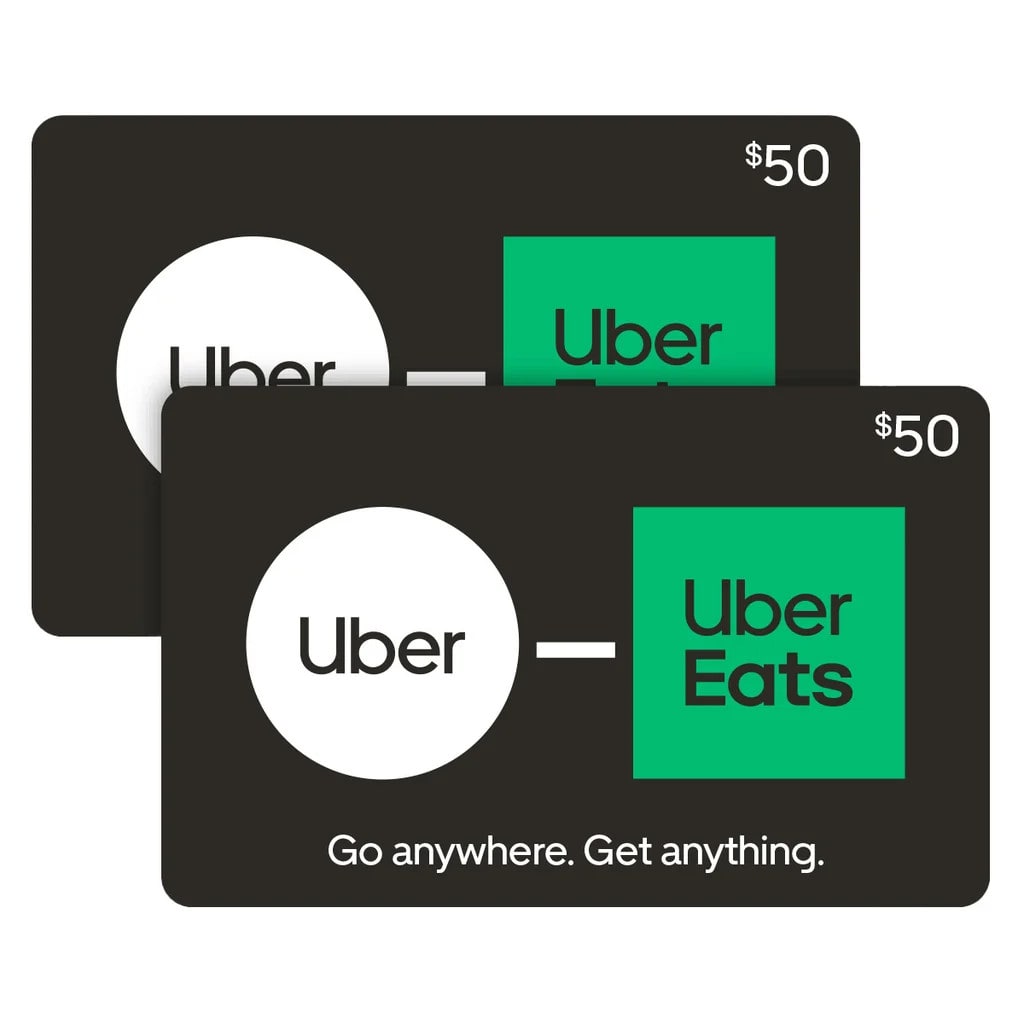
Uber $100 Gift Card at Costco
$80 for membersCostco members get two $50 Uber gift cards ($100 total) for $80. You will receive these via email delivery. Emails are normally delivered within two hours to the email address you have entered. This offer is valid for a limited time only.
Uber Deals
Save on rideshare & food delivery servicesUse Uber to find great deals on transportation and convenient food delivery services. This offer is valid through January 31, 2026.
Uber Rewards
Join for free, earn $5 Uber CashWhen you enroll in Uber Rewards, you will earn $5 in Uber Cash every time you reach 500 points. Other terms and conditions may apply. The offer is valid through December 31, 2026.
Uber Offer
Refer a friend and get $5Refer a friend to Uber with your referral code and get $5 off your next ride when your friend takes their first ride. This cannot be combined with any other offer. Other terms and conditions may apply. This offer is valid through December 31, 2026.
Uber Visa Card
Earn 4% cashbackOpen an Uber Visa card to earn 4% back on dining and redeem points in the Uber app. Other terms and conditions may apply. This offer is valid through December 31, 2026.
UberX Share
Up to 20% offGet up to 20% off your Uber ride by sharing your trip with one or two other riders headed in the same direction. This savings adds an average of eight minutes to your trip, and may require a short walk to your pickup and after your dropoff. This is an ongoing deal.
Expired Uber Promo Codes

Uber Eats April 2026 Promo Code
Extra $10 off first $20+ orderNew Uber Eats customers can apply the promo code "affeats10us0426" to save $10 on your first order of $20 or more throughout April 2026. Note that some exclusions may apply and this coupon has a limited number of 9,000 uses, so don't wait too long to use it. This offer is valid from April 1, 2026 through April 30, 2026.
Uber Eats March 2026 Promo Code
Extra $10 off first $20+ orderNew Uber Eats customers can apply the promo code "affeats10us326" to save $10 on your first order of $20 or more throughout March 2026. Note that some exclusions may apply and this coupon has a limited number of uses, so don't wait too long to use it. This offer is valid from March 1, 2026 through March 31, 2026.
Uber Eats February 2026 Promo Code
Extra $10 off first $20+ orderNew Uber Eats customers can apply the coupon code "affeats10us226" to save $10 on your first order of $20 or more throughout February 2026. Note that some exclusions may apply and this code has a limited number of uses, so don't wait too long to use it. This offer is valid from February 1, 2026 through February 28, 2026.
How Much Does Uber Cost in May 2026?
As of early 2026, Uber costs have reached a new baseline. Average ride prices rose nearly 10% compared to 2025, with the national average fare now hovering around $23.66.
While short trips previously cost between $7 and $9, riders should now budget $11 to $13 for the same distance. This increase is driven by higher demand, elevated insurance costs for drivers, and a shift in Uber's fare structures to prioritize profitability.
Average Uber Cost Per Mile in 2026
Uber pricing is dynamic, but standard 2026 rates generally fall into these ranges:
- UberX: $1.10 – $1.75 per mile
- UberXL: $1.50 – $2.00 per mile
- Base Fare: Typically $1.00 – $3.00 per trip
- Time Rates: $0.15 – $0.40 per minute
DealNews Tip: Most drivers now set a minimum threshold of $1.00 to $1.75 per mile before accepting a ride request. If you are in a high-traffic area, expect the per-minute rate to significantly impact your total more than the distance.
Comparison: Uber Costs by City (30-Minute Ride)
Location remains the primary factor in rideshare pricing. According to early 2026 data, a typical 30-minute commute varies significantly by city:
- Seattle, WA: $55.00 – $60.00 (Current peak for high-cost markets)
- New York City, NY: $41.00 – $50.00
- Los Angeles, CA: $32.00 – $38.00
- Indianapolis, IN: $28.00 – $31.00
- Fort Worth, TX: $28.00 – $30.00
Note on Airport Fees: If your trip involves an airport, remember that surcharges have spiked in 2026. For instance, LAX now implements fees as high as $12 for direct curb access drop-offs, which is added on top of your standard fare.
Uber One Membership Changes in 2026
If you are considering an Uber One membership ($9.99/month or $96/year) to offset rising costs, take note of the policy updates:
- The Good: Members still receive $0 delivery fees on eligible food orders and 6% back on eligible rides.
- The Change: As of 2026, new members no longer receive service fee discounts on rides.
- The Verdict: If you use Uber more than twice a month for rides and delivery, the 6% "Uber Cash" back usually pays for the membership.
How to Get an Uber Estimate Without the App
You don't need to be logged in to check 2026 pricing. You can calculate your fare using these methods:
- Official Uber Web Estimator: Visit the Uber website on a desktop browser to see upfront pricing for UberX, XL, and Comfort.
- Comparison Tools: Use third-party sites like RideGuru or UberFareFinder to compare Uber rates against Lyft and local taxis.
- Google Search: Typing "Uber price from [Point A] to [Point B]" into Google often triggers a direct price estimate tool.
Why Is Uber More Expensive Now?
Several factors contributed to the 2026 price surge:
- Surge Pricing: Algorithmic pricing is more aggressive during peak hours and bad weather.
- Operational Fees: Higher regulatory fees and safety surcharges have been added to the base fare.
- Autonomous Vehicle Integration: While the rollout of AVs (like those seen in the SF Bay Area) was expected to lower costs, the initial operational overhead has kept base fares elevated.
The Best Ways to Save on Uber in 2026
Uber is incredibly convenient, but let's be honest, those fares can add up quickly. The good news is that you don't have to pay the maximum price. By being a savvy rider and using a few smart strategies, you can make sure you're always getting the best deal possible on your ride.
Compare Fares Before You Book
This is Ridesharing 101. Don't just default to Uber out of habit. Take 30 seconds to pop open the Lyft app and compare the price for the exact same trip. You'd be surprised how often one is noticeably cheaper than the other, even just minutes apart. For the truly dedicated saver, apps like RideGuru or Obi aim to compare multiple services at once, potentially including local taxi fares and newer shuttle services.
Time Your Ride to Avoid Surge Pricing
Dynamic pricing, or "surge," can drastically inflate your fare during peak times. If your schedule has some flexibility, try to avoid booking during rush hour, right after a major concert or sporting event lets out, or during sudden bad weather. Often, waiting just 15–20 minutes can see prices drop back to normal. Another pro tip: if you're in a surge hotspot, try walking a few blocks away from the epicenter before requesting your ride—sometimes that's enough to escape the highest multipliers.
Choose the Most Economical Ride Option
Uber now offers a menu of services at different price points. If saving money is your absolute top priority, check for Route Share. This newer feature operates like a virtual bus along high-traffic corridors during weekday morning and evening commute hours. You'll walk a few blocks to a pickup point, but the fare can be up to 50% cheaper than UberX.
If Route Share isn't available, consider UberX Share. This allows you to share the car with up to two other riders heading in a similar direction for a discount of up to 20%–30% off UberX. Uber now guarantees that sharing a ride will not add more than 8 minutes to your trip time. Otherwise, stick with UberX—it remains the budget-friendly private standard compared to Comfort, XL, or Black.
Consider an Uber One Membership
For anyone who uses Uber or Uber Eats even a couple of times a month, the Uber One membership can be a fantastic value. The current annual cost has settled at $96.00, roughly $8/month, while the monthly fee is $9.99.
This month, the perks of the membership have expanded:
- On Rides: You get priority access to top-rated drivers and earn 6% back in Uber One credits on eligible rides, which you can apply to future trips or orders.
- On Travel: Members now get 10% back in credits on hotel bookings made through the app and at least 20% off a rotating list of thousands of hotels.
- On Uber Eats: You get a $0 delivery fee on eligible restaurant and grocery orders (check the app for your current dynamic basket minimum).
Note: As of earlier this year, Uber phased out the standard "service fee discount" for new members, so the primary value now lies in the $0 delivery fee and the 6% ride credits.
Lock In Your Commute Price with a Price Lock Pass
If you are a regular commuter, the Price Lock Pass is a vital tool for managing your budget. For a small monthly fee of $2.99, you can lock in a consistent, predictable price for a specific route during a one-hour window of your choice each day. This protects you from unexpected price hikes during rain or heavy traffic, though total savings are typically capped at $50 per month per pass.
Save More by Buying Rides in Bulk with a Prepaid Pass
For those with predictable travel patterns, the Prepaid Pass offers a way to save without a monthly subscription. You can purchase a bundle of 5, 10, 15, or 20 rides for your regular routes at an upfront discount. The core benefit is simple: the more rides you buy in advance, the greater your overall savings—often up to 20%.
Leverage Credit Card Perks
Your credit card might be a major source of savings. In a significant update for this month, American Express Gold Card members can now receive a one-time statement credit of up to $96 to cover a full year of Uber One membership, on top of their standard $10 monthly Uber Cash.
American Express Platinum Card members still receive $15 in monthly Uber Cash, with $35 in December. Additionally, as of this month, the old Uber VIP status has been replaced by Signature Support for Amex, providing 24/7 priority live phone support directly through the app.
Reserve Your Ride in Advance
Using Uber Reserve allows you to book your ride up to 90 days in advance. While it includes a reservation fee, booking ahead can help you lock in a rate and avoid unpredictable surge pricing. For those booking Uber Black or SUV reservations this month, you can even use the new "Eats for the Way" feature to pre-order a coffee or snack that will be waiting in the car when your driver arrives.
Why Your City Determines Your Cost
The city you're in has a significant impact on your fare. Rates for the base fare, distance, and time are set locally to reflect the area's cost of living and local regulations. A 10-mile ride in New York City will almost always cost more than the identical trip in a smaller midwestern city. Always use the in-app fare estimator for the most accurate price in your current location.
Everything Else to Know About Uber
Ever looked at an Uber receipt and wondered what all those little charges mean? You're not alone. The upfront price you see in the app is actually a bundle of different costs. Think of it less like a price tag and more like a recipe, with each ingredient playing a role in the final total. Let's break down exactly what you're paying for.
What Am I Actually Paying For?
When you get that price quote in the app, it's not just a random number based on how far and how long your trip is. Uber's algorithm is calculating a fare based on a few key components that apply to every single ride. While most fixed fees are included in the price you see before you book, knowing what's under the hood is always a good idea.
- Base Rate: This is the flat fee that starts the meter running on your trip. It's a combination of the estimated time and distance of your ride.
- Booking Fee: Sometimes called an "Operating Fee," this is a variable charge that covers Uber's operational costs, like driver background checks, insurance, and other safety features.
- Tolls and Surcharges: If your route includes a toll bridge, tunnel, or airport pickup/drop-off, those charges are passed directly on to you.
- Wait Time and Cancellation Fees: Drivers are compensated for their time. If your driver has to wait more than a couple of minutes for you at the pickup spot, a small per-minute fee may be added. Similarly, if you cancel a ride after a driver has already accepted and is on their way, you'll likely incur a cancellation fee.
- Minimum Fare: Every city has a minimum fare (often in the $5 to $7 range for UberX) to ensure very short trips are still worthwhile for drivers. If the calculated fare for your short ride is less than this amount, it will be rounded up to the minimum.
What are the Different Types of Uber Rides and How Much Do They Cost?
The type of vehicle you choose has a direct impact on your fare. The price variation reflects the level of service, vehicle type, and driver qualifications. The underlying base, time, and distance rates are set differently for each service level.
Here are the most common options:
- Route Share: Uber's most affordable option, available in select cities for commuters. You may need to walk a short distance to a fixed pickup spot, but you can save up to 50% compared to a standard UberX.
- UberX Share: The classic shared ride. You'll be matched with other riders heading in a similar direction. It's one of the cheapest ways to ride, though your trip may take a bit longer.
- UberX: The most popular and affordable private ride for up to 4 passengers. This is your standard, go-to option for everyday trips.
- Uber Green: An eco-friendly choice that connects you with a hybrid or electric vehicle for a slightly higher fare than a standard UberX.
- Uber Pet: The best option for animal lovers. For a small surcharge, this service connects you with a driver who has opted-in to allow you to bring one small pet, like a cat or dog, on the ride.
- Uber Comfort: A step up from UberX. You're guaranteed a newer, more spacious vehicle with extra legroom and a top-rated driver.
- UberXL: The affordable choice for larger groups. This service provides an SUV or minivan with seating for up to 6 passengers.
- Uber WAV: This option provides riders with affordable, on-demand access to wheelchair-accessible vehicles. Drivers are certified to assist riders with safely entering and exiting the vehicle.
- Uber Black: The original premium service. Expect a luxury sedan with a professional, commercially-licensed driver and top-tier service.
- Uber Black SUV: The premium option for larger groups, offering a high-end SUV with seating for up to 6 passengers and the same professional service as Uber Black.
Actual costs depend heavily on your specific city's rates (major cities are usually pricier), the exact base fare and booking fee, trip length (fees impact short trips more per mile), traffic, time, and minimum fares. This table DOES NOT account for surge pricing or tolls. Always rely on the upfront price estimate shown in the Uber app for your specific journey.
Why Does a 20-Minute Uber Have Such a Wide Price Range?
This is the million-dollar question, and the answer comes down to one key idea: you pay for distance and time. A 20-minute ride isn't a fixed product; how far you actually travel in those 20 minutes is what makes the price swing so dramatically.
Imagine you're in a dense city like Chicago during moderate traffic. In 20 minutes, you might only cover about four miles. Factoring in higher city base rates and fees, your fare would likely be in the $17 to $22 range. Now, picture a 20-minute ride in a less congested area where you're mostly on open roads or a highway. You could easily cover 15 miles in that same amount of time. Because the distance is so much greater, the fare would be significantly higher, perhaps closer to $32 to $40.
The potential cost range gets wider the longer you're in the car, all depending on the speed and distance of your specific trip. Here are a few common examples:
- For a 20-minute ride: The cost can easily range from $17 to $40. A shorter, 4-mile ride in a congested city will be on the lower end, while a longer, 15-mile ride on an open road will be on the higher end.
- For a 30-minute ride: The price range expands significantly, from roughly $23 to $65. This could be the difference between a 7-mile trip through city traffic versus a 25-mile trip in the suburbs.
- For a 40-minute ride: The potential cost can range from $32 to over $80. The final price depends heavily on whether you're covering a moderate 12 miles or a long-distance 35 miles in that time.
The most important takeaway is this: the only way to know for sure is to check the upfront price estimate in the Uber app before you confirm your ride. It will give you the most accurate cost for your specific route at that exact moment.
What is the Cheapest Time of Day to Request an Uber?
The most affordable times to ride are typically during off-peak hours. This generally includes weekday mid-mornings (around 9:30 AM to 12:00 PM) and mid-afternoons (around 2:00 PM to 4:00 PM). Late evenings on weekdays and weekend mornings also tend to be cheaper than peak commute times or busy Friday and Saturday nights.
How Does Uber Pricing Compare to Competitors?
When it comes to ride-sharing, the biggest showdown is always between Uber and its main rival, Lyft. So, which one is actually cheaper? The honest answer is that it's a toss-up. Both services use sophisticated dynamic pricing models that react to real-time supply and demand. This means the "cheaper" option can change from minute to minute based on your location, the time of day, and how many other people are requesting rides nearby. The best deal for your morning commute might not be the best deal for your ride home.
| Feature | Uber (UberX) | Lyft (Standard) | Traditional Taxi |
|---|---|---|---|
| Base Pricing | Upfront and dynamic | Upfront and dynamic | Metered |
| Peak/Surge Fee? | Yes | Yes | Usually no |
| Estimated Cost/Mile | $1.50 - $3.00+ | $1.50 - $3.00+ | $2.00 - $4.00+ |
| Booking Method | App | App | Street hail, phone call, apps |
| Payment | In-app | In-app | Cash, credit card, sometimes app |
| Key Advantage | Wide availability, variety | User-friendliness, transparency | Predictable rates |
| Key Disadvantage | Surge pricing can be high | Surge pricing can be high | Availability varies, hard to estimate |
While the features are often neck and neck, the price for the exact same trip can be surprisingly different. Studies have shown that fares between Uber and Lyft can fluctuate by about 14% on average, but neither one comes out as the consistent winner. One might be cheaper for your ride to the airport, while the other offers a better price for a trip across town just an hour later.
This is why the single best strategy for any savvy shopper is to check both apps every single time you ride. It only takes a few extra seconds and can save you a significant amount of money over time. Once you see which service is offering the better price, you can save even more by using one of our Lyft promo codes or seeing what discounts are available in the Uber app.
Is Uber Cheaper Than a Taxi?
It depends. Under normal conditions, a standard UberX is often less expensive than a traditional taxi. However, during periods of high demand when Uber implements surge pricing, a metered taxi can be the more affordable option. A recent study showed that prices between Uber and its main competitor, Lyft, can differ by an average of 14%, with neither being consistently cheaper. The best approach is to compare prices in real-time if possible.
Can You Get a Price Estimate Before Ordering?
Getting an estimate is easy and built right into the app – it's the core of their upfront pricing model! Simply open the Uber app, enter your destination address in the "Where to?" box, and confirm your pickup location. The app will then display the available ride options (UberX, Comfort, XL, etc.) along with the estimated upfront price for each for that specific trip at that specific moment. You see the cost before you commit to booking. You can also use the Price Estimator tool on Uber's website for a rough idea, but the app provides the most accurate, real-time estimate.
Generally, the upfront price Uber shows you is quite accurate and is the amount you'll pay, provided none of the exceptions mentioned earlier occur (like changing your destination, adding stops, hitting unexpected tolls, or experiencing excessive wait times). Minor variations in the actual route taken usually don't change the upfront price.
Is There a Minimum Charge for an Uber Ride?
Yes, absolutely. Every Uber ride has a minimum fare, which varies depending on the city and the type of Uber service you've selected (the minimum for UberX will be lower than for Uber Black). This means that even if your calculated time and distance cost is very low (like for a quick trip down the block), you'll still be charged at least the minimum fare amount. This ensures the trip is worthwhile for the driver.
What Is Surge Pricing and How Can I Avoid It?
Surge pricing is Uber's response to real-time supply and demand and the biggest reason a 20-minute ride can cost $15 one day and $35 the next. It's a temporary price increase that happens automatically when there are more people requesting rides in a specific area than there are available drivers. It's Uber's way of incentivizing more drivers to head to that busy spot to meet the demand.
How is Surge Calculated?
When prices are surging, you will see a multiplier applied to the standard rates or an upfront fare that already includes the additional surge amount. In the app, surge areas are often shown on the map with a color gradient from light orange to dark red, with red indicating the highest demand and the largest price increases.
You're most likely to see surge pricing during rush hour, bad weather like rain or snow, major events like concerts or sports games, or late-night hours when bars are closing.
Expert Tips to Beat the Surge:
- Wait a Few Minutes: Surge pricing can be short-lived. If you're not in a rush, wait 10 to 15 minutes and check the app again. Prices often return to normal once more drivers have entered the area.
- Walk a Few Blocks: Surge pricing is often highly localized. You might find that by walking a block or two away from the busiest center, you'll exit the surge zone and find a standard fare.
- Share Your Ride: If UberX Share is available in your area, it's a great way to get a lower price during busy times.
Is it Cheaper to Schedule an Uber in Advance?
Not always cheaper, but it provides price certainty. Using Uber Reserve locks in your fare, protecting you from potential surge pricing that might occur closer to your pickup time. While a reservation fee may apply, it can save you money during high-demand periods, making it ideal for important trips like airport runs.
Can I Uber for Free?
Ah, the golden question: can you actually snag a completely free Uber ride? While offers promising "free rides" often pop up, it's usually not like getting unlimited free travel. Think of it more like getting significant discounts or credits that cover the cost. Truly "free" rides in the sense of an ongoing trial are rare to non-existent for ride-sharing.
When you first sign up for Uber, you can often find a promo code (sometimes through a friend's referral, sometimes directly from Uber) that gives you a substantial discount on your very first ride, often up to $15 or $20. This can easily make a short first trip completely free.
How Do I Split a Fare With Friends?
If you're riding with friends, you can easily split the cost directly in the app during the trip. Tap the ride information at the bottom of your screen and select "Split Fare." You can then choose friends from your contacts (who also have Uber accounts). They'll receive a notification to accept the split. The total fare is then divided equally among all participants.
After your ride starts, just follow these steps:
- Swipe up from the bottom of your screen.
- Tap your payment method.
- Select "Split Fare."
- Enter the names or phone numbers of your friends.
They'll receive a notification to accept the split. In the past, Uber sometimes charged a small per-person fee (like $0.25) for splitting, but this practice may vary by location or might have been discontinued. Check the app for any indication of a split fee when you initiate it.
Does Uber Have a Student Discount?
While there isn't a universal discount on all rides, Uber offers a reduced-price Uber One for Students membership. For a monthly fee of $4.99, students can access all the standard Uber One benefits, including ride discounts and savings on Uber Eats orders.
How Much Should You Tip Your Uber Driver?
Tipping your Uber driver is optional, but it's generally considered good etiquette and is greatly appreciated, especially for excellent service. Drivers keep 100% of any tips they receive.
- How Much? A tip of 10 to 20 percent is standard, just like you would in a restaurant.
- How to Tip: You can tip with cash at the end of your ride or directly in the app after your trip is complete. You have up to 30 days to add a tip for a past ride.
- Pro Tip: If you used a promo code or discount on your ride, be sure to calculate your tip based on the original, pre-discount fare.
You might tip more if the driver helps with luggage, navigates challenging conditions (weather, traffic), offers extras (water, phone charger), maintains an impeccably clean car, or provides a particularly friendly or efficient ride. You can easily add a tip via the app after rating your ride, or you can simply hand the driver cash.
How Can I See a Breakdown of My Fare After the Ride?
After your trip is complete, Uber sends you an email receipt. You can also find detailed trip information within the Uber app itself. Go to the main menu (usually your profile icon), select "Your Trips," choose the specific ride, and you should find an option to view the fare breakdown, which typically itemizes the base fare, time, distance, fees, tolls, and any surge pricing applied.
So, Is Uber Worth the Cost in 2026?
After breaking down the fares, fees, and fluctuations, the big question remains: Is using Uber actually worth the money? The answer, predictably, isn't a simple yes or no. It really boils down to your individual needs, priorities, and budget.
There's no denying the sheer convenience Uber offers – summoning a ride with a few taps, avoiding parking nightmares, and getting door-to-door service is incredibly appealing, especially when public transport isn't viable or you'd rather not drive yourself.
However, that convenience comes at a variable cost. Relying heavily on Uber, especially during peak hours when surge pricing kicks in, can definitely add up and put a strain on your finances.
The value proposition shines brightest for occasional users, those who prioritize convenience over cost, or savvy riders who actively use the saving strategies we've discussed – comparing fares, timing rides, using Uber One if it makes sense, and leveraging promos or credit card perks. If you consistently find yourself paying steep surge prices or using it for daily commutes where cheaper alternatives exist, its worth diminishes. Ultimately, weigh the convenience against the cost for your specific situation.
How We Find and Verify Ride Sharing Promotions
Here at DealNews, finding the best deals isn't just a job; it's an obsession. We know that a promo code that doesn't work is a frustrating waste of your time, which is why we have a dedicated team and a rigorous process to ensure the offers we share are legitimate and ready to use.
Our team of deal experts is constantly monitoring every possible channel for Uber savings. We keep a close eye on the Uber app itself, subscribe to official newsletters, and work with our network of partners to get the inside scoop on the latest promotions. We believe that a great deal can come from anywhere, so we're always on the hunt.
But finding a potential discount is just the first step. The most important part of our process is verification. Before we publish any promotion, our team personally tests it to make sure it's active and works as advertised. We scrutinize the fine print, checking for things like expiration dates, location restrictions, and whether an offer is for new or existing users.
Our promise to you is simple: if a promotion is listed on DealNews, it's been vetted by our team. We do the legwork so you can ride with confidence, knowing you're getting the best possible price.
Why You Can Trust DealNews for Uber Discounts
For over 25 years, DealNews has been a trusted resource for millions of consumers looking to make smarter purchasing decisions. Our long history in the industry gives us a unique perspective on pricing trends and promotional tactics. When it comes to navigating costs for services like Uber, we've got you covered!
Want to be alerted to all the newest Uber discounts? Be sure to create a deal alert to be notified the moment we find and verify the company's next promotion. For an easy way to take in all the latest steals we find (we often post more than 300 deals per day), be sure to sign up for our daily newsletters.

Sign In or Register