Home Depot · 22 hrs ago
$165
more
↑ less
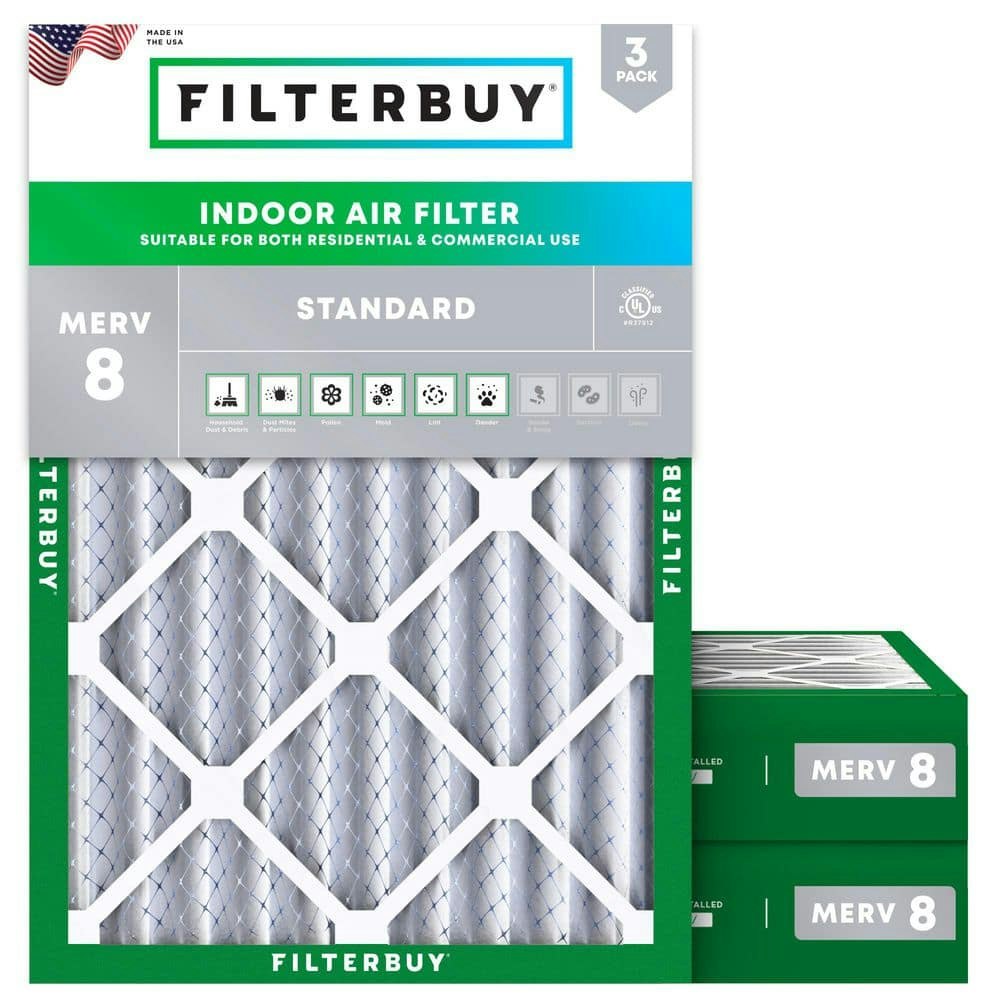
Sized for larger HVAC systems that call for a 4" filter, this 3-pack covers close to a year of replacements if you swap one in every four months as recommended. Buy Now at Home Depot
Home Depot · 22 hrs ago
$65
more
↑ less
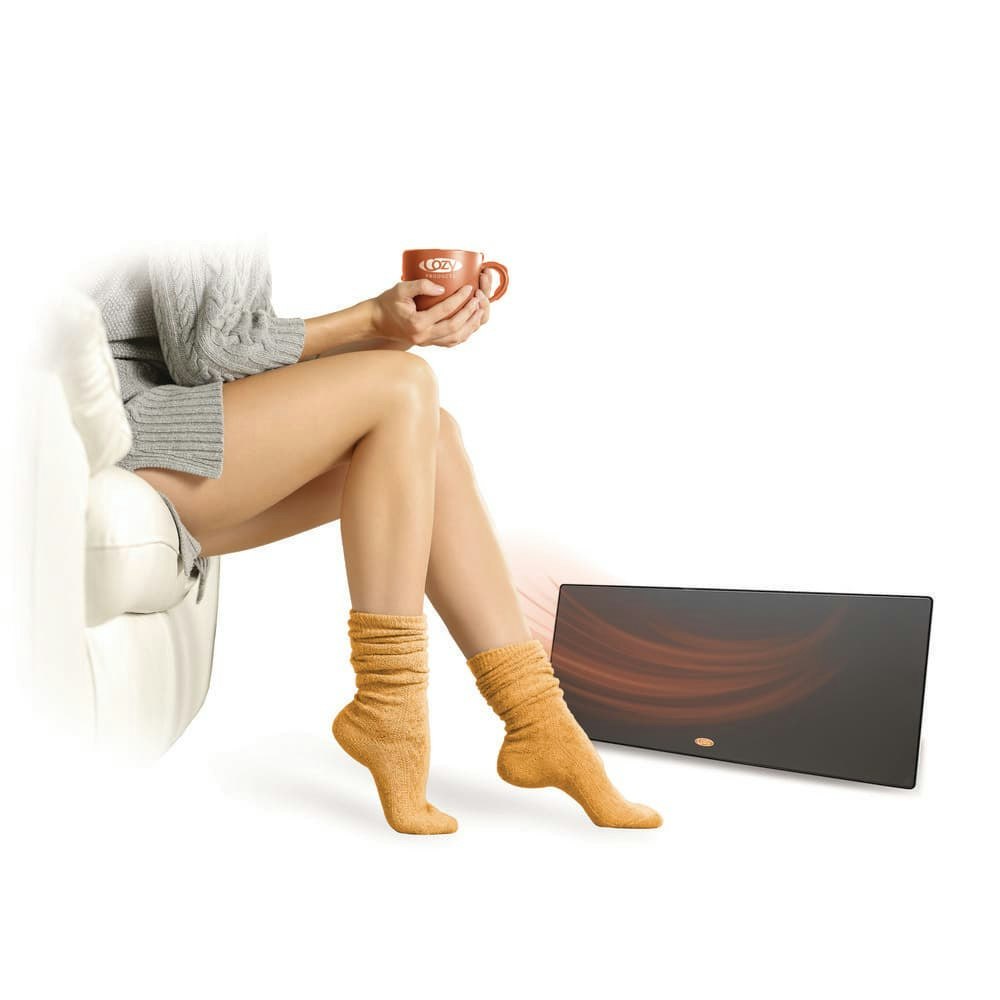
Cold feet under the desk during winter workdays are the target problem here, since this heater tucks under your desk and warms your legs directly instead of heating the whole room. It's a low-wattage option worth considering if you're trying to stay warm without running up your energy bill. Buy Now at Home Depot
Walmart · 5 days ago
$157
free shipping
more
↑ less
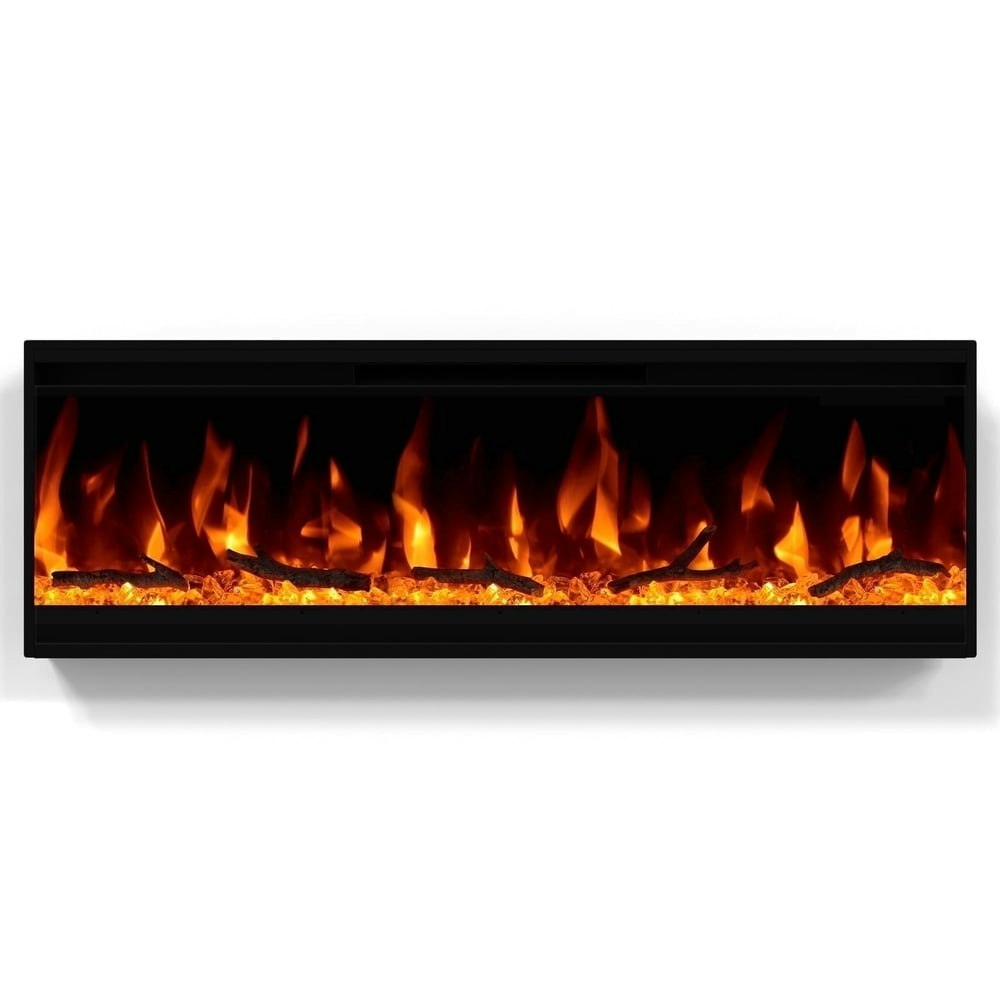
Cooler months call for a heat source that doesn't smoke up the room, and this insert gives you a realistic flame effect with adjustable warmth for spaces up to a few hundred square feet, no ventilation or installation required. Buy Now at Walmart
Features
- Four adjustable flame colors
- Four adjustable brightness levels
- Touch screen and remote control operation
- Simple, guided installation
- One year warranty with 24-hour support
Home Depot · 22 hrs ago
$130
more
↑ less
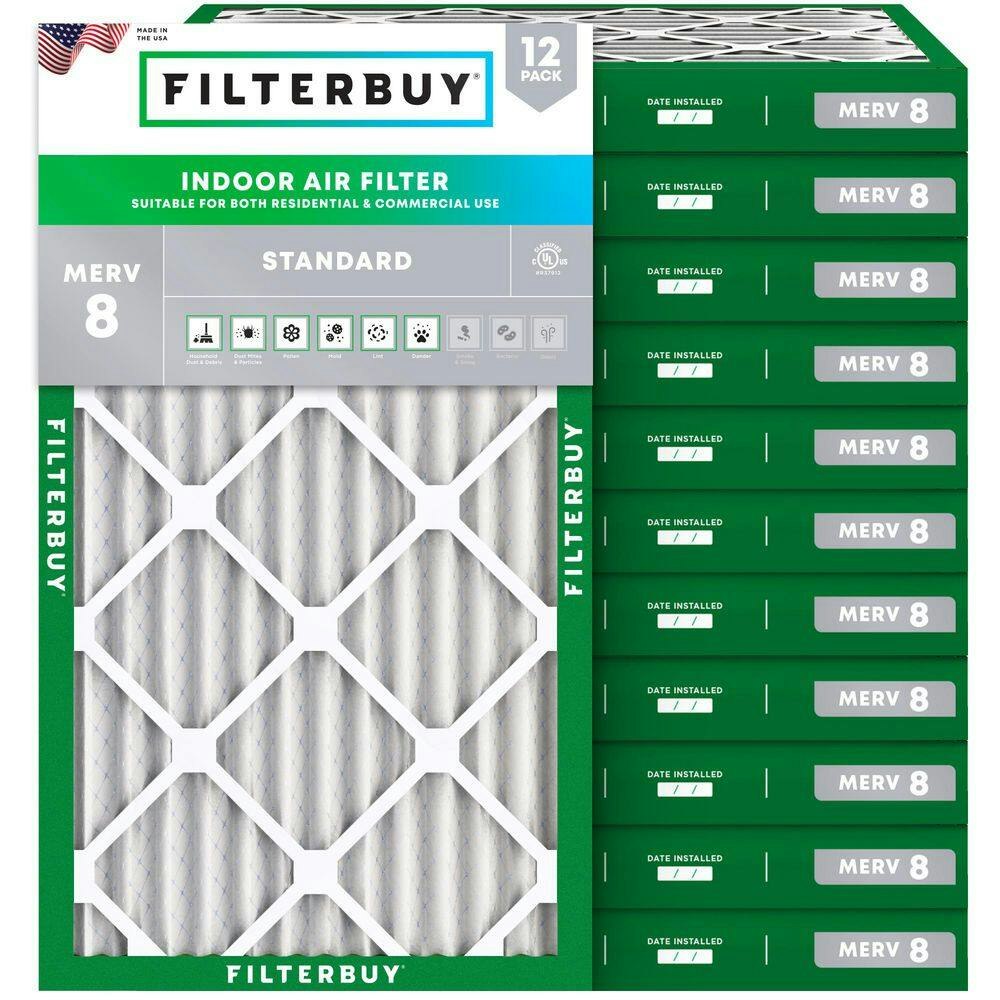
Stocking up with a 12-pack makes sense if you replace filters on a regular schedule and don't want to reorder every few months, and MERV 8 pleated filters hit a solid middle ground for capturing dust and pollen without straining your system's airflow. Buy Now at Home Depot
Home Depot · 22 hrs ago
$166
more
↑ less
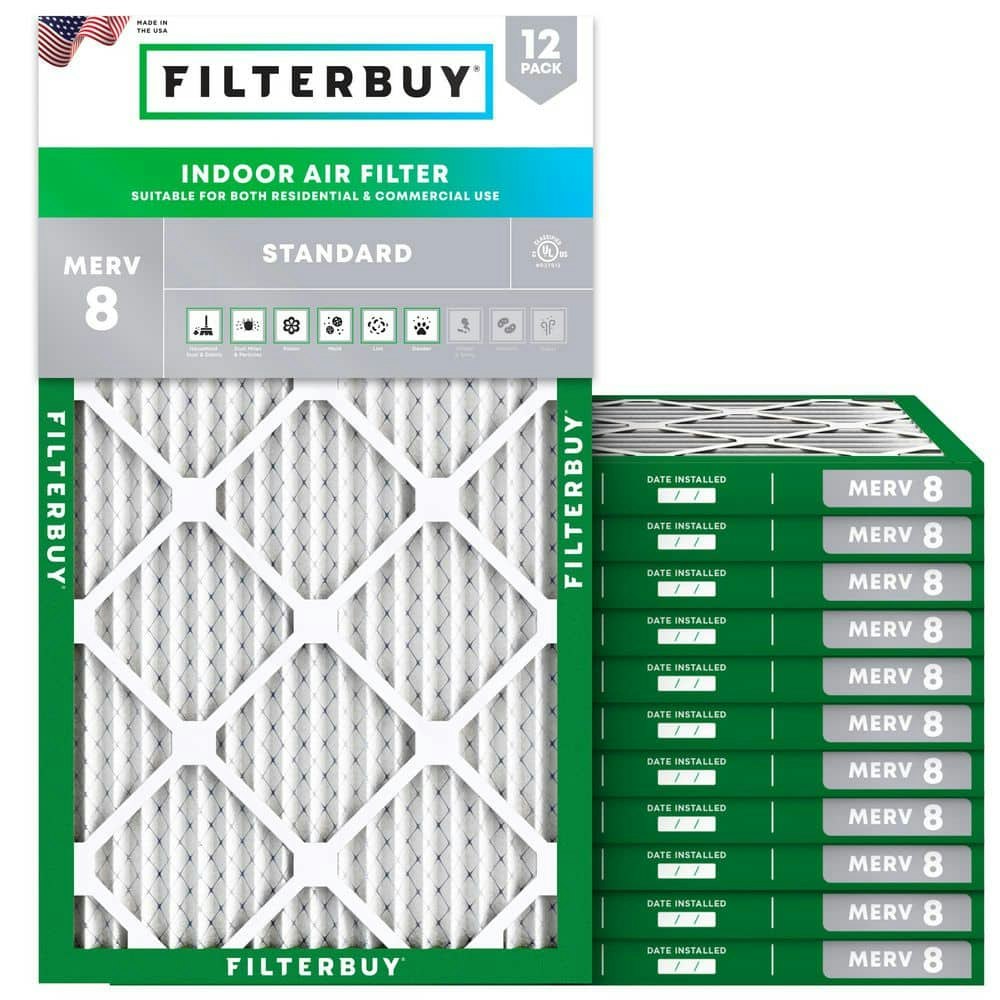
Stocking up on this 12-pack makes sense if your system runs through filters every month or two, since MERV 8 covers everyday dust and pollen without restricting airflow the way higher ratings can. Buy Now at Home Depot
Walmart · 5 days ago
$67 $80
free shipping
more
↑ less
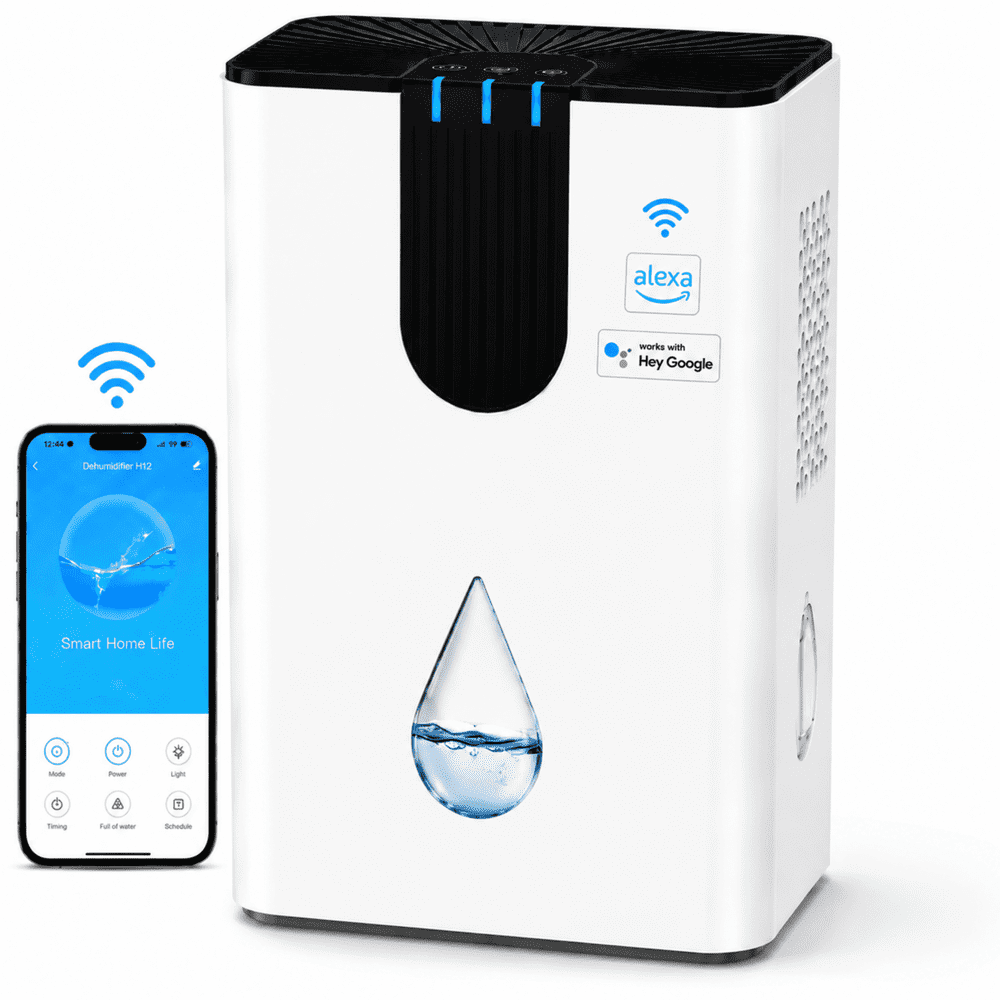
Handy for basement or bathroom spaces prone to dampness, since the 95-oz tank means fewer trips to empty it compared to smaller units. Walmart has it for $67.49, a $12.50 (16%) markdown from the $79.99 list price. Buy Now at Walmart
Features
- Removes 27 oz moisture daily for 950 sq.ft spaces
- App control with Alexa and Google Assistant compatibility
- Sleep mode for quiet, light-free operation
- Automatic shut-off with full-tank LED alert
- 7-color ambient lighting for room atmosphere
Home Depot · 1 wk ago
$74
more
↑ less
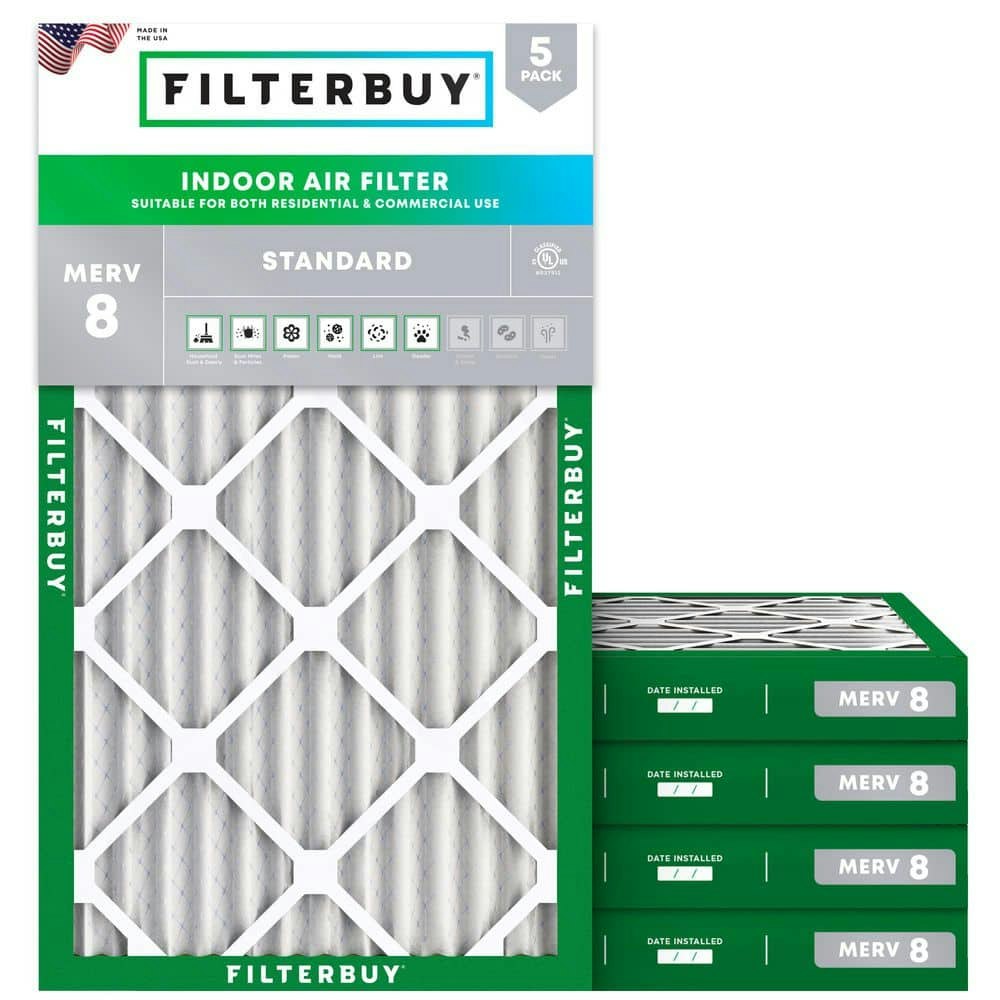
Sized for standard HVAC systems that take the 12x22x2 dimension, and MERV 8 pleated filters handle everyday dust and pollen without restricting airflow the way higher-rated filters can. A 5-pack covers most households through a full year of regular changes, so you're not reordering every few months. Buy Now at Home Depot
Ends Today
Walmart · 6 days ago
$27 $43
free shipping w/ $35
more
↑ less
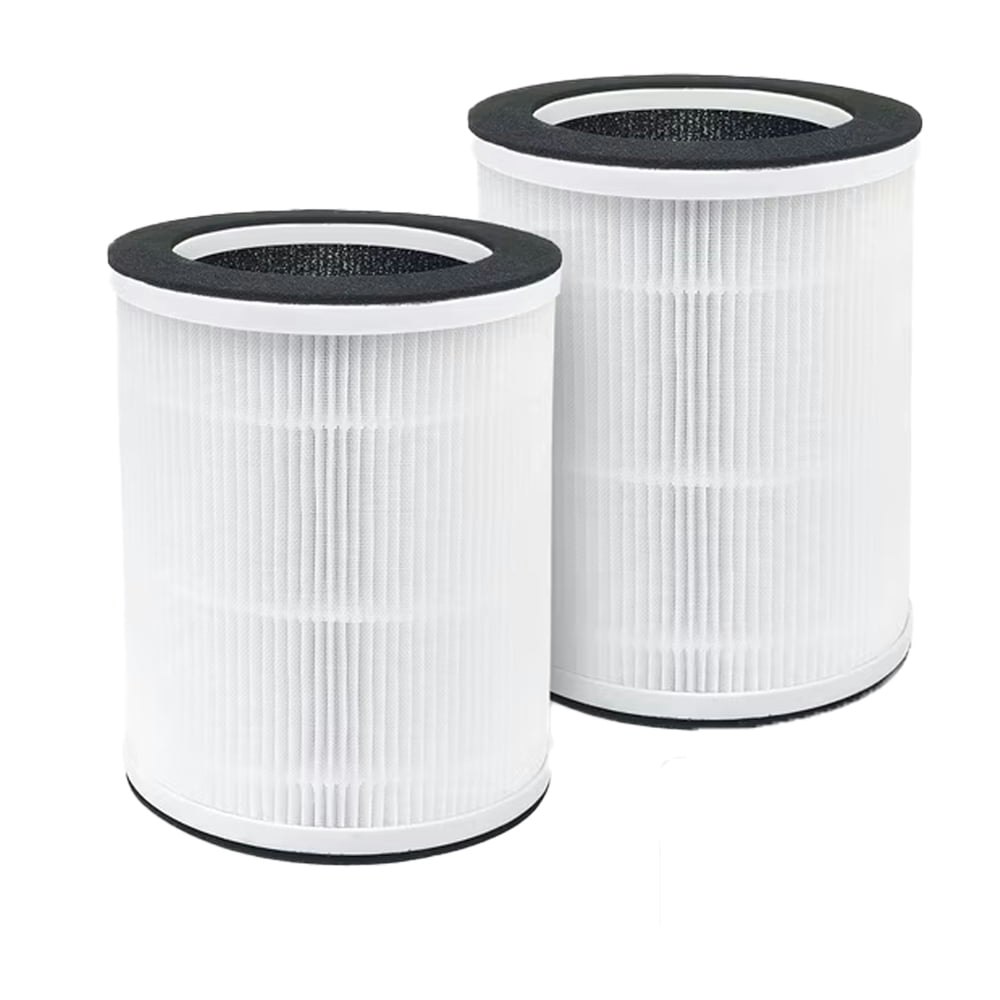
This filter set suits anyone running an air purifier that requires H13-rated HEPA replacements, since keeping filters fresh matters more for allergy or pet-dander filtration than the purifier itself. At $27.49, that's $15.50 (36%) off the $42.99 list price for a 2-pack. Buy Now at Walmart
Features
- Compatible with Airfire AP201 air purifier
- H13 True HEPA three-layer filtration system
- Activated carbon absorbs odors, fumes, and VOCs
- Long-lasting 1000-hour filter service life
- Tool-free easy installation design
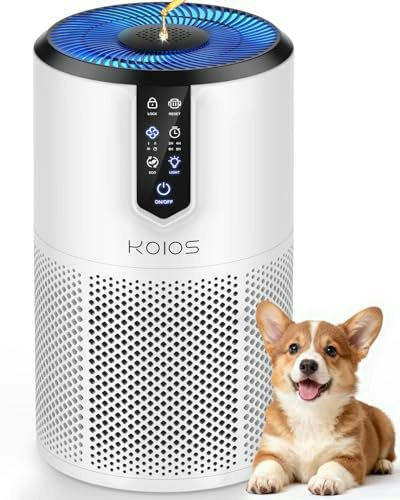
Amazon · 20 hrs ago
$50 $70
free shipping
more
↑ less
Covers rooms up to 1,300 square feet, making it a solid fit for larger bedrooms or open living spaces rather than just small rooms, and the HEPA filter helps with allergens and dust. Currently $20 off the $70 list price. Buy Now at Amazon
Features
- Covers areas up to 1300 square feet
- H13 True HEPA 3-stage filtration system
- Energy-saving ECO mode reduces consumption
- Quiet operation with aromatherapy and night light
- Child lock and programmable timers
Household Appliances: The Basics
If you’re looking for your next vacuum cleaner, heater, air conditioner, humidifier, or dehumidifier, look no further! DealNews posts great deals so you can find cheap household appliances.
A Quick Guide to Vacuum Cleaner Buying
Purchasing a vacuum should be simple, but now that there are so many options, you might find yourself second-guessing your choices. Check out some of these tips and details from this buying guide from Kohl’s , or check out this guide from the DealNews Blog .
Vacuum Cleaner Types
- Canister vacuum cleaner
- Works best on hardwood or small carpeted surfaces
- Consists of a suction hose and separate unit with motor and receptacle
- Upright Vacuum
- Great for large carpeted surfaces
- Uses motorized beater brush to loosen and remove dirt
- Bagless and bagged models available
- Many include attachments for various uses like dusting
- Best for multi-surface (i.e., hardwood and carpeted) homes
- Handheld Vacuum
- Great for small areas
- Small and typically battery-powered
- Stick Vacuum
- Lightweight and battery-powered
- Includes motorized brush
- Better for hard flooring than carpets
- Most are bagless
- Also known as “sweeper vacuums”
- Robotic Vacuum
- Autonomous vacuum that uses sensors to clean
- User selects settings like cleaning time and floor type
- Typically not as powerful as other vacuums
- Pet Vacuum
- Specialized upright vacuum cleaner
- Detachable beater brush
Bagged vs. Bagless
When purchasing a vacuum cleaner, a common question is whether you should purchase a bagged or bagless model. A couple of details to help with your purchase include:
- Allergy Concerns: Bagged vacuum cleaners release less dust into the air, making it more allergy friendly.
- Cost: Although bagless vacuum cleaners have filters that will eventually require cleaning or replacement, the cost impact of not having to replace the bag each time the dust compartment is full makes bagless vacuum cleaners a bit more cost-effective.
Common Vacuum Terms
Agitator: Brush at base of the vacuum that moves debris up to be suctioned into a bag or canister.
Belt: The belt causes the brushes to rotate and process debris.
Cleaning path: The cleaning path is determined by the width of the base of the vacuum cleaner — the wider the base the larger the cleaning path.
Filtration: Filtration systems help remove dust mites from floors and furniture. This is ideal for reducing household allergens.
HEPA air filter: High Efficiency Particulate Air (HEPA) filters are extended-surface filters that capture up to 99% of all dust particles.
Motor: Measured in amps, watts, and volts, the motor power determines the suction of the vacuum. Greater suction power means you spend less time cleaning your floors.
Motor protection system: A safeguard that protects a vacuum motor from overheating.
Retractable cord: An feature that automatically winds the cord for storage in the machine.
Self-propelled motor: A feature that propels the vacuum on its own for easier maneuvering.
Blog Articles About Household Appliances
What to Look for When Buying a Fan
Find a Vac That Doesn't Suck: The Ultimate Vacuum Cleaner Buying Guide
Don't Sweat It! 9 Tips for Getting Air Conditioning on a Budget
Frequently Asked Questions
Do ceiling fans save money?
Running a fan is significantly cheaper than running an A/C unit because you can target rooms you're utilizing instead of your entire home.
However, a more important question is whether a fan meets your cooling needs. A fan alone may or may not keep you cool, so the trick is to use the fan in conjunction with your air conditioning. Fans do not actually cool the air, so if you’re stuck in an 85-degree room you’re just having 85-degree air blowing on your skin.
This trick can save you hundreds of dollars each year, so in short, yes, fans definitely save money! Check out this blog post for more info!
Do air purifiers work?
A machine that quietly hums in the background while cleaning your air may sound too good to be true. But if you’re an allergy or asthma sufferer, a quality air purifier may be worth the investment.
This study concludes that air filtration through HEPA purifiers are useful for allergy sufferers, but notes the effectiveness is limited to one room instead of a whole house. While air purifiers are limited in what they can clean from the air (dust, smoke, pollen), the added relief can aid those who have tried many other solutions.
It’s important to note that air purifiers are not very effective, if at all, in cleaning out mold or VOCs that accumulate in the air from adhesives, paints, or cleaning products.
Humidifier vs. Dehumidifier: Which do I need and why?
Humidity regulation, whether by a humidifier or dehumidifier, helps with comfort levels in your home. According to Richmond’s Air Heating & Air Conditioning , a good humidity level for the home is between 35% and 45%. You can measure this with a hygrometer or you can try a few tricks like the one found here for low humidity measurements, or here for high humidity measurements.
High and low humidity can each create different issues in your home and body. Low humidity can damage your furniture, floors, and doors, causing them to crack. It can even cause caulk or glue to shrink, creating gaps that allow air to leak out. Worse, high humidity affects sleep , and exacerbates breathing problems like asthma by creating a breeding ground for mold and other allergens .
Low humidity is also problematic, causing dry skin, nasal irritation, and even spreading the flu .
By: Kristen Harris, Manager
A Georgia girl with three years of experience in IP Law and grounded in understanding marketing and consumer motives. When she's not working with the fabulous staff of DealNews, you can find her whining at rowing practice and browsing the Hot Deals on the site.
Want to know the moment we post a great deal on Household Items?
Create an Alert