Best Buy · Sep 6, 2026
$300 $300
more
↑ less
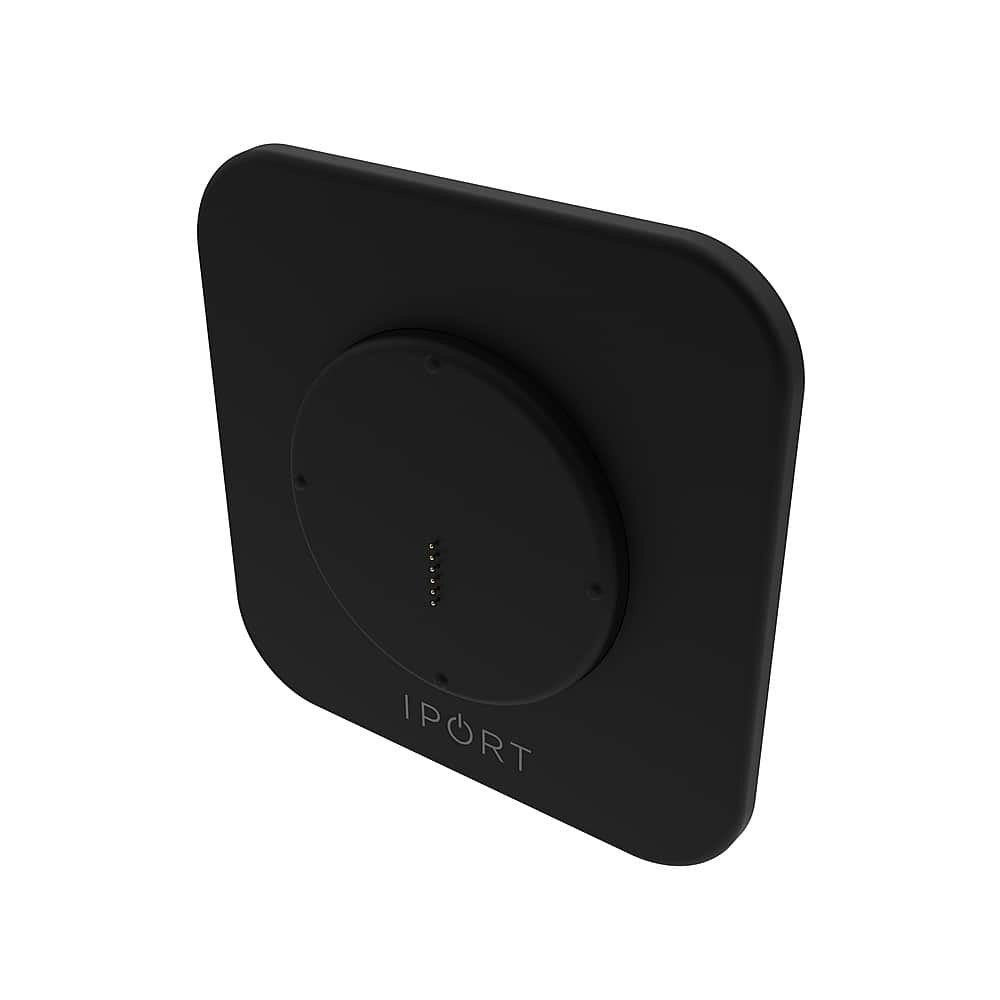
This wall-mounted dock works well if you want a fixed, always-charged iPad station for controlling smart home systems, presentation setups, or point-of-sale displays, and it's currently priced at its $300 list with no discount applied. Buy Now at Best Buy
Features
- Professional station and electronics installation

Newegg · Sep 2, 2026
$553
more
↑ less
Compact powered speakers like these suit desktop setups where space is tight but you still want clean, room-filling sound without a separate receiver or subwoofer. The built-in Bluetooth makes it easy to switch between your computer and phone without fussing with cables. Buy Now at Newegg
Features
- Bluetooth wireless connectivity
- Integrated 24-bit DAC
- Compatible with PC, Mac, gaming, and music
- Compact desktop-friendly design
- Model: A2+
Newegg · Sep 3, 2026
$15
more
↑ less
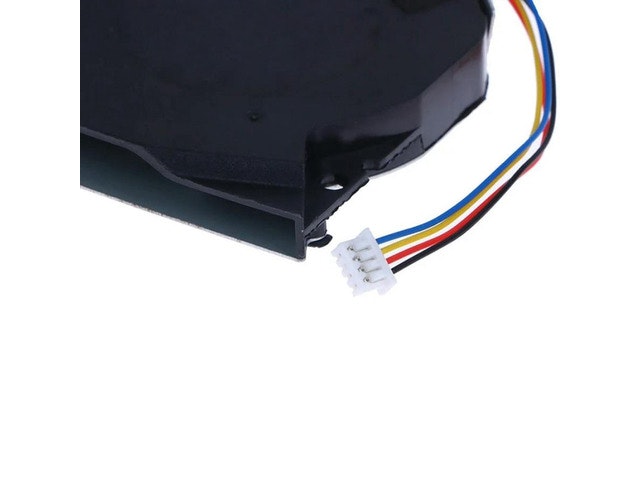
Keeps your Mini PC running cool without the noise or hassle of a full replacement, making it a smart fix if your current fan is failing or getting loud. Newegg carries this specific model, which matters since off-brand fans often don't match the 5i7RYH's exact mounting and airflow specs. Buy Now at Newegg
Features
- CPU cooling fan for 5i7RYH Mini PC
Best Buy · Sep 2, 2026
$13 $13
more
↑ less
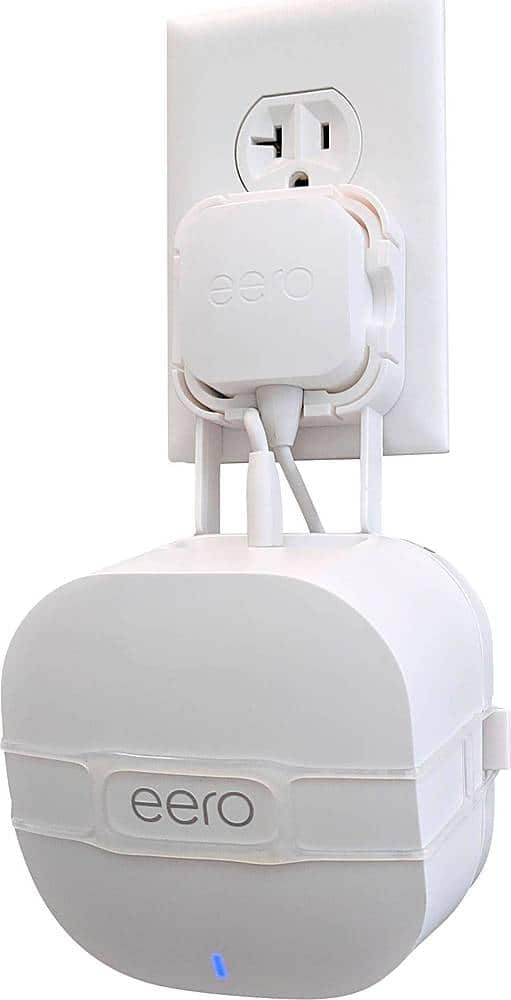
Tucks your Eero router directly into a wall outlet, freeing up shelf space and hiding the cord clutter that usually comes with mesh Wi-Fi setups, and it's a solid pick for anyone tired of routers taking up counter space. Best Buy has it listed at $12.99, which is the standard retail price with no current markdown. Buy Now at Best Buy
Features
- Plug-and-play eero 6 mesh Wi-Fi compatibility
- Firm silicone attachment for secure device mounting
- Patented cord groove organizer for cable management
- Fits both vertical and horizontal wall outlets
- Tool-free, space-saving wall installation
Best Buy · Sep 7, 2026
$200 $200
more
↑ less
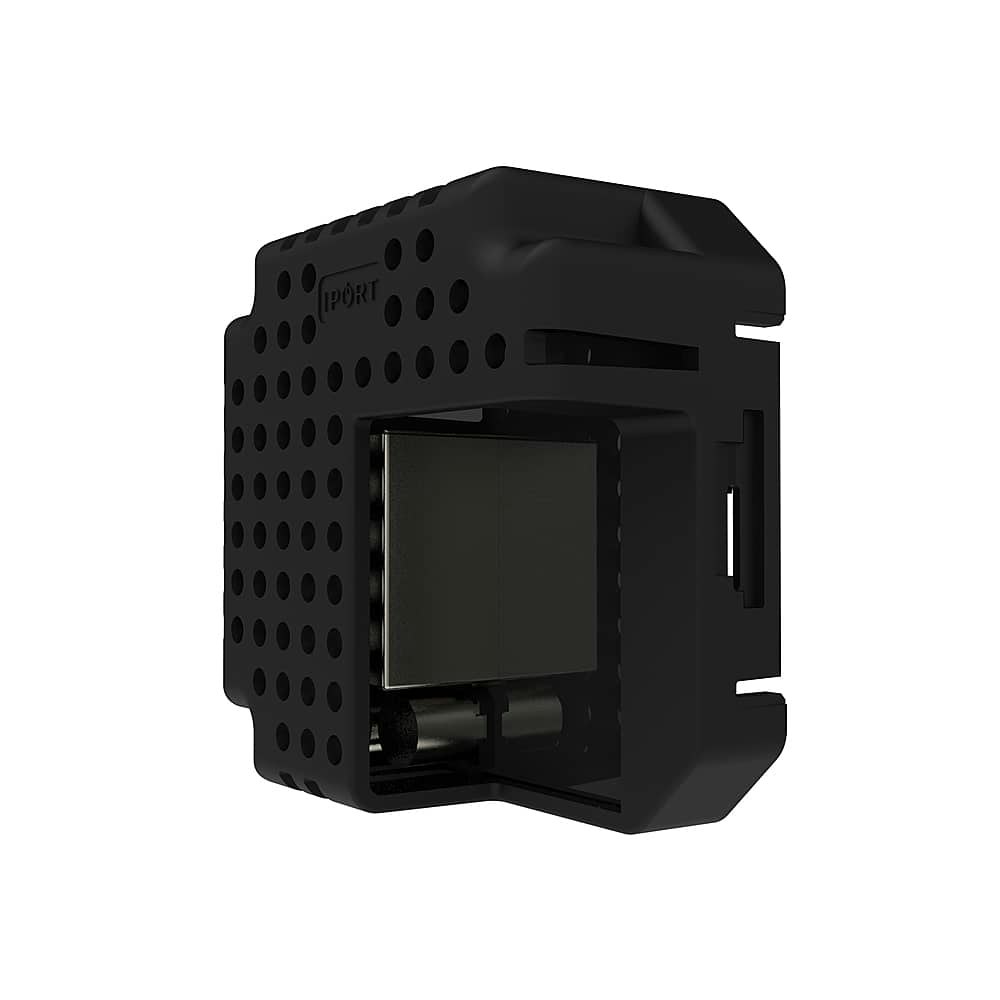
A solid pick for anyone setting up a wall-mounted iPad system who needs Power over Ethernet instead of running separate power and data lines, simplifying installation for smart home control panels. It's currently priced at $200, matching the standard list price with no current discount. Buy Now at Best Buy
Features
- Hardwired internet data via single Cat 5 cable
- Power over Ethernet (PoE+) charging
- Eliminates Wi-Fi signal dropouts
- Secures direct wired network connection
- Compatible with CONNECT and CONNECT PRO products
Home Depot · Sep 3, 2026
$220
more
↑ less
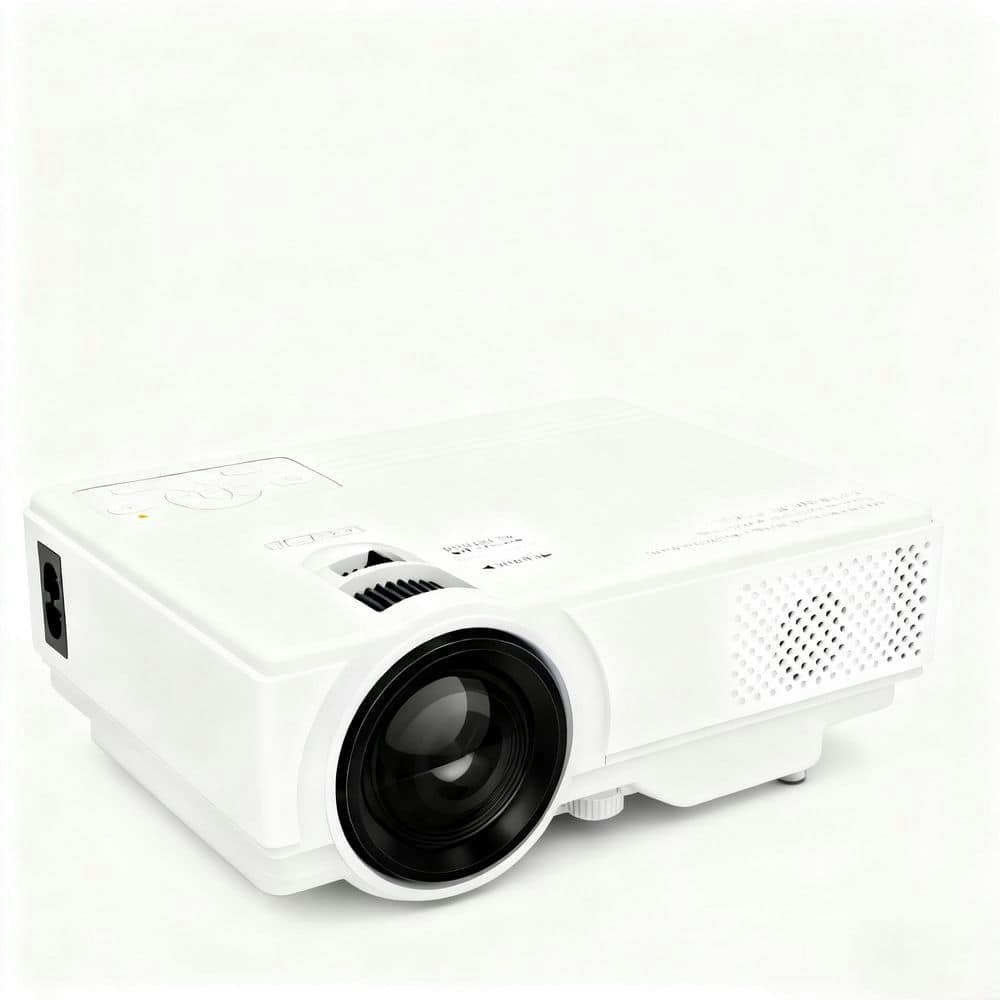
Set it up in the backyard for movie nights without dealing with cables, since the WiFi and Bluetooth built in let you stream and pair speakers directly. Home Depot has it if you're weighing options for outdoor entertaining beyond a standard TV setup. Buy Now at Home Depot
Newegg · Aug 31, 2026
$90
more
↑ less
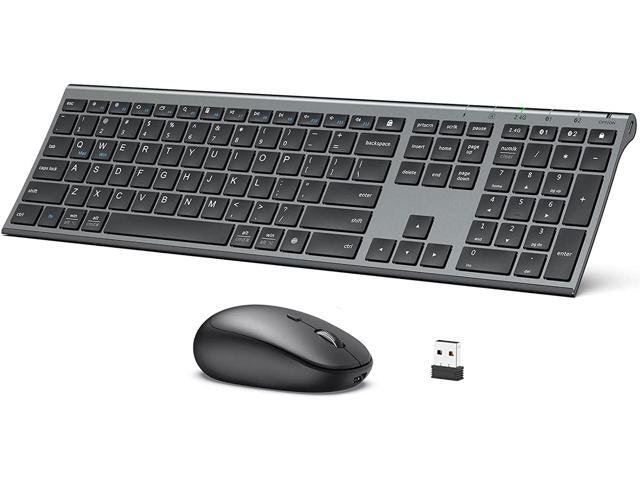
Anyone juggling multiple devices at a desk will appreciate the dual-mode Bluetooth setup, letting you switch the keyboard and mouse between two paired devices without re-connecting each time. Newegg has it at a reasonable price for a wireless combo, so it's worth a look if you want one set of peripherals for both your laptop and tablet. Buy Now at Newegg
Features
- Dual-mode Bluetooth 4.2 and 2.4G wireless connectivity
- Rechargeable battery for long-lasting power
- Ultra-slim portable keyboard and mouse design
- Multi-device pairing for Mac, iPad, Android, and Windows
- Model: DK03
Amazon · Sep 1, 2026
$130 $190
free shipping
more
↑ less
Update: The price has changed to $129.99 since this was originally published.
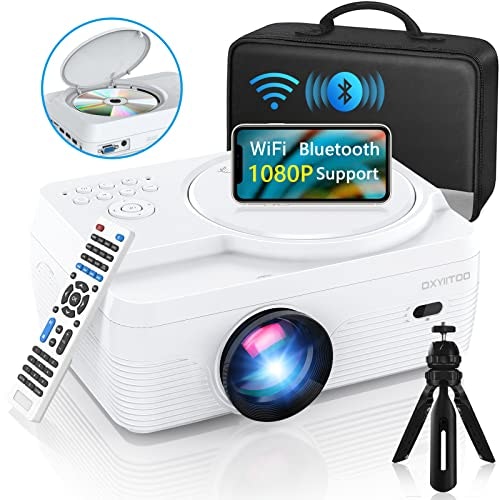
This projector suits movie nights or casual presentations where sharp picture quality isn't the top priority, since built-in WiFi and Bluetooth let you stream and pair speakers without extra cables. It's $60 off the list price, currently $129.98 at Amazon. Buy Now at Amazon
Features
- Built-in DVD player supports multiple disc formats
- Wireless streaming via Airplay and screen mirroring
- 12000 lumens brightness with 250-inch display capability
- Integrated Bluetooth and dual stereo surround speakers
- Advanced low-noise fan cooling technology
Newegg · 1 day ago
$335 $385
more
↑ less
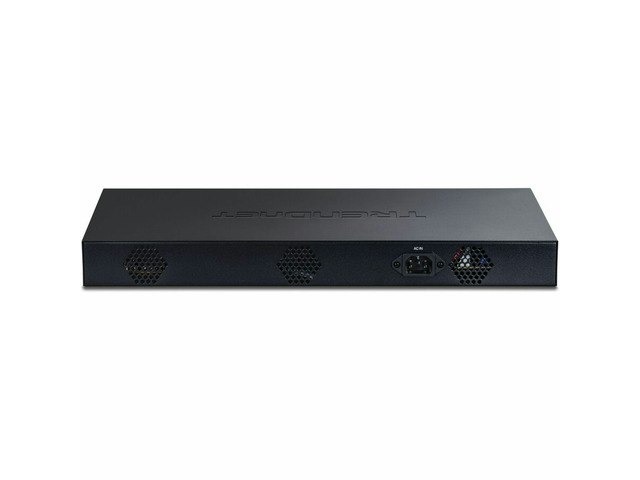
This 18-port switch suits home networkers or small offices needing multi-gig speeds for NAS setups or fast internet plans, and Newegg has it for $50 off the list price. Buy Now at Newegg
Features
- 16 x 2.5GBASE-T RJ-45 ports
- 2 x 10GbE SFP+ uplink slots
- Web-managed Layer 2 smart switch
- Supports high-speed 10Gbps networking
- Model: TEG-3182WS
Ends Today
Newegg · Aug 28, 2026
$53
more
↑ less
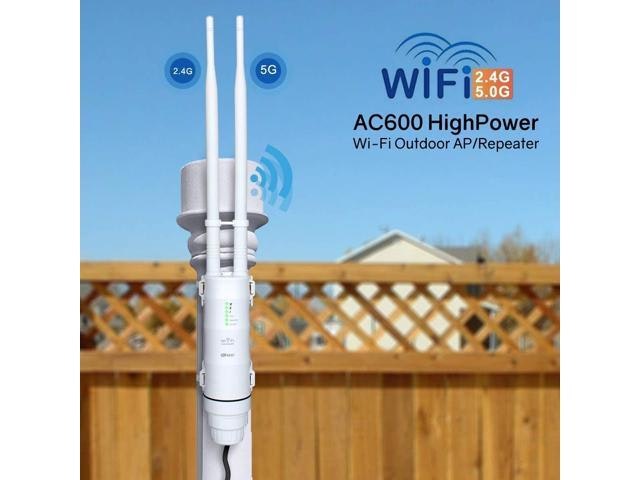
Anyone with dead WiFi zones in the yard, garage, or a detached space will get more use out of this than an indoor extender, since the weatherproof housing lets you mount it outside without worrying about rain or temperature swings. Buy Now at Newegg
Features
- Dual band 2.4GHz and 5GHz wireless connectivity
- Weatherproof design for outdoor installations
- 600Mbps high speed data transfer
- Two detachable 7dBi high gain antennas
- Power over Ethernet support for flexible placement
Newegg · Sep 12, 2026
$56
more
↑ less
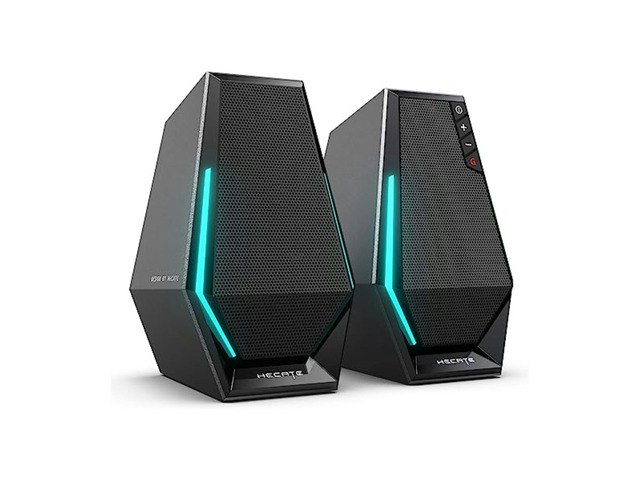
Gamers who want desk-filling sound with customizable RGB lighting to match their setup will get the most out of these, since they pair a 2.0 stereo system with Bluetooth so you can switch between your console, PC, and phone without extra cables. Buy Now at Newegg
Features
- RGB gaming lighting
- Bluetooth 5.3 wireless connectivity
- USB audio input
- 3.5mm AUX input
- Model: G1500

Newegg · 1 wk ago
$80
more
↑ less
Anyone juggling multiple devices will appreciate this one, since it pairs over Bluetooth and lets you switch between a few paired gadgets without re-connecting each time; the compact layout also frees up desk space if you're tight on room. Buy Now at Newegg
Features
- Multi-device Bluetooth connectivity
- Compact space-saving design
- Scissor-switch keys for precise typing
- Rechargeable battery via USB-C
- Model: KW 7100

Newegg · 1 wk ago
$27
more
↑ less
Anyone running a rig with a card prone to overheating will want this on hand, since a dedicated 75mm cooling fan swap is a straightforward fix for aging or noisy GPU coolers without replacing the whole card. Buy Now at Newegg
Features
- 75mm diameter cooling fan
- Four-pin connection
- Smart thermostat thermal control
- Compatible with GTX460 550TI
- Model: DASA0815R2U
Newegg · Sep 3, 2026
$30
more
↑ less
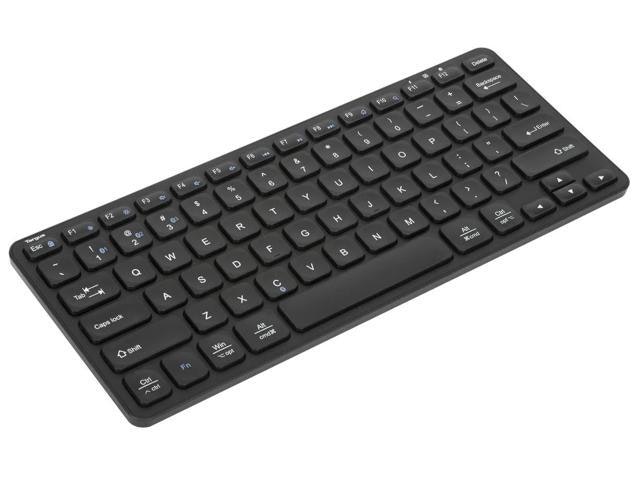
Typing across multiple gadgets throughout the day gets simpler with this keyboard's ability to pair with several Bluetooth devices and switch between them, making it a solid fit for anyone juggling a laptop, tablet, and phone at the same desk. The antimicrobial coating is a nice bonus if you're sharing the keyboard with others or just want extra peace of mind in a high-touch item. Buy Now at Newegg
Features
- Multi-device Bluetooth wireless connectivity
- Antimicrobial surface protection
- Compatible with PC, Mac, tablets, and smartphones
- Compact, portable keyboard design
- Model: AKB862US
Newegg · 1 wk ago
$576
more
↑ less
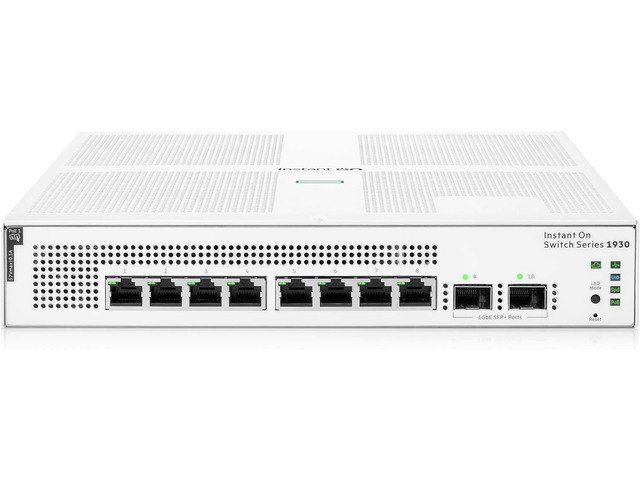
Anyone setting up a small office or home network with PoE cameras or access points can skip the enterprise-grade complexity here while still getting VLAN support and traffic prioritization. It's a solid fit for someone who wants smart switch features without needing a dedicated IT background to configure them. Buy Now at Newegg
Features
- 8-port gigabit smart-managed layer 2+ ethernet switch
- 8x class 4 PoE ports with 124W power budget
- 2x SFP fiber uplink ports
- HPE Networking Instant On cloud management
- Model: JL681A
Newegg · 5 days ago
$103 $120
more
↑ less
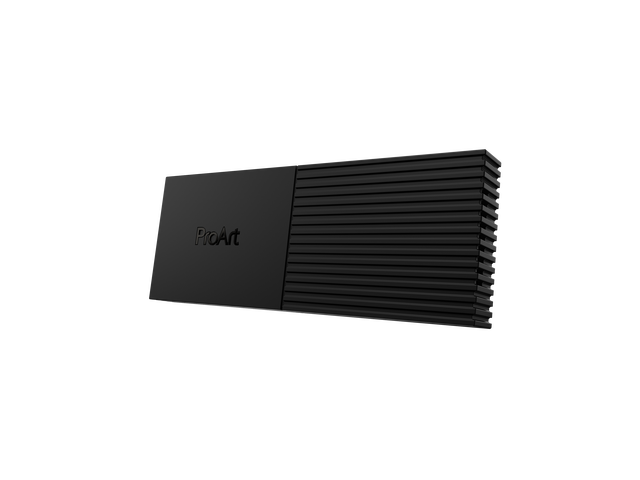
Anyone editing video off an external NVMe drive will appreciate the USB4 speeds here, since it avoids the bottleneck that slower enclosures create with large files. Newegg has it for $103, $17 off the $120 list price. Buy Now at Newegg
Features
- 40Gbps USB4 data transfer speeds
- Tool-free M.2 NVMe SSD installation
- Integrated smart cooling fan
- Ultra-slim portable design
- Model: PA40SU
Newegg · Sep 6, 2026
$45
more
↑ less
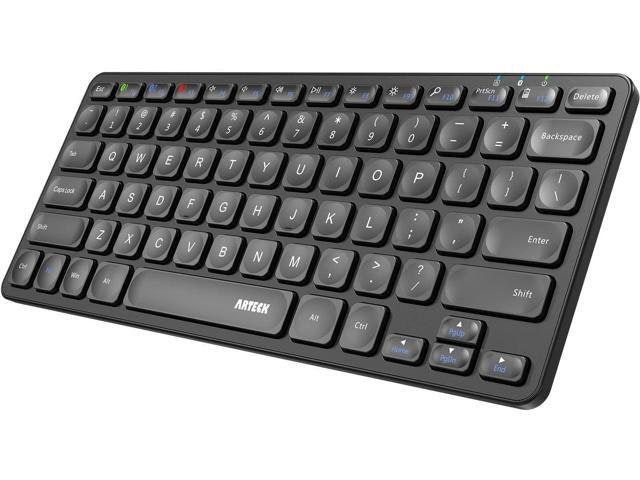
Setting up multiple devices around the house? This one pairs with up to three via Bluetooth and lets you switch between them with a single button press, so it's handy if you're juggling a tablet, phone, and laptop and don't want three separate keyboards cluttering your desk. Buy Now at Newegg
Features
- Universal multi-device Bluetooth connectivity
- Ultra slim and compact portable design
- Dedicated media hotkeys for quick control
- Broad compatibility with Windows, iOS, iPadOS, Android
- Wireless functionality for desktop, laptop, and tablet
Home Depot · 1 wk ago
$490
more
↑ less
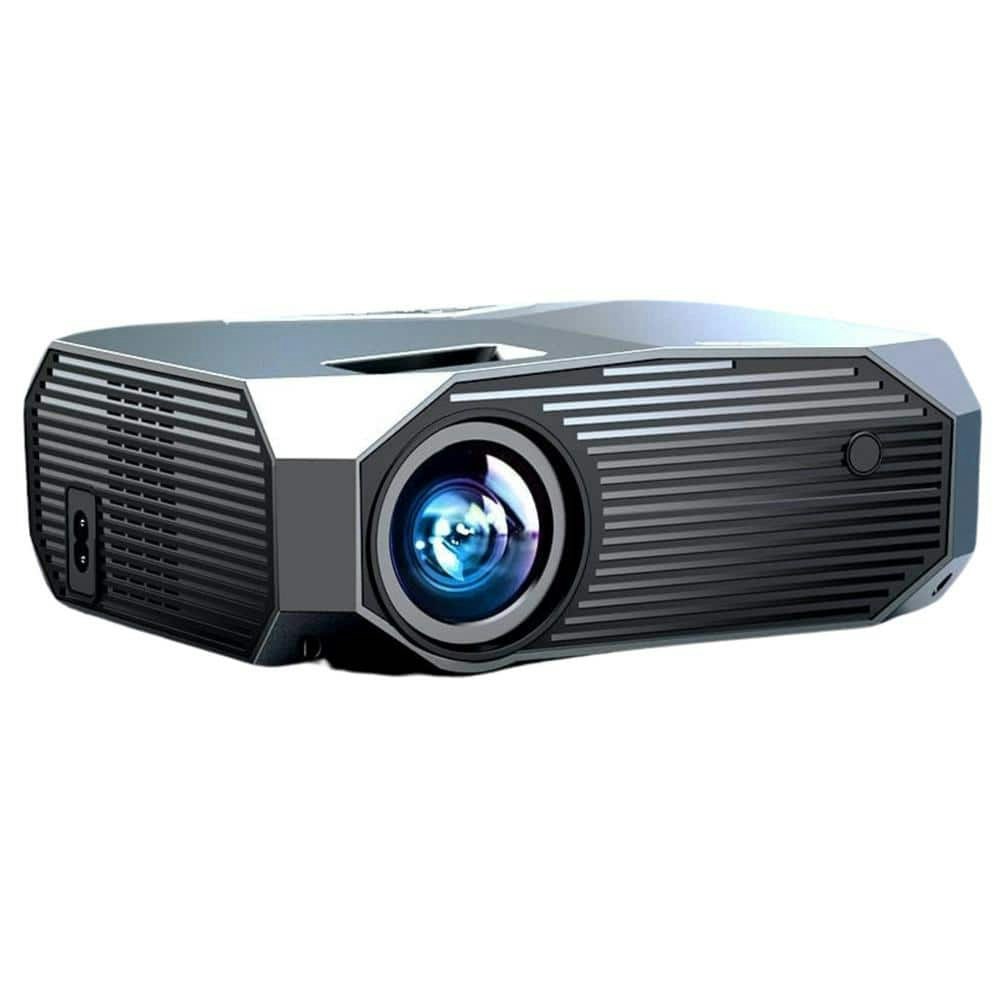
Movie nights and backyard screenings get easier with the built-in Wi-Fi and Bluetooth, letting you stream directly from your phone or laptop without a tangle of cables. It's a solid pick for anyone who wants a simple home theater setup that doesn't need a dedicated room. Buy Now at Home Depot
Newegg · 1 day ago
$139
more
↑ less
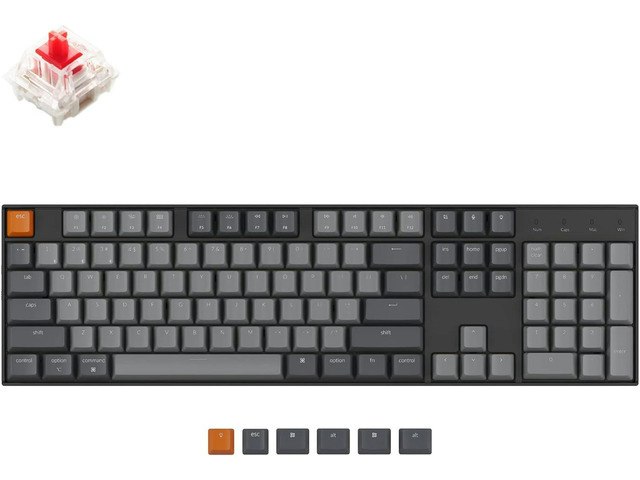
Anyone who splits time between a laptop and desktop will appreciate the K10's ability to pair with three devices over Bluetooth and switch between them instantly, and the hot-swappable switches let you customize the feel without any soldering. Buy Now at Newegg
Features
- Full-size 104-key layout
- Bluetooth wireless and USB-C wired connectivity
- K Pro Red mechanical switches
- Compatible with Mac and Windows
- White LED backlighting
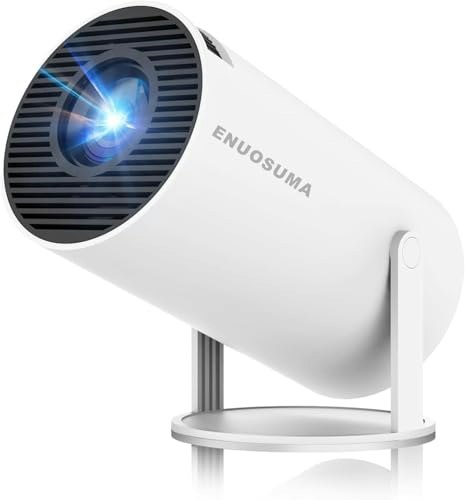
Amazon · 1 wk ago
$35 $39
free shipping
more
↑ less
Small enough to toss in a bag, this projector suits movie nights in dorms or backyards where a full-size setup isn't practical, and it's currently $4 off the $39 list price. Buy Now at Amazon
Features
- Built-in streaming apps for instant entertainment
- Wi-Fi 6 and Bluetooth 5.4 for stable connectivity
- 1080p resolution with 4K content support
- 210-degree rotatable design with auto keystone
- Integrated 5W speaker for rich audio
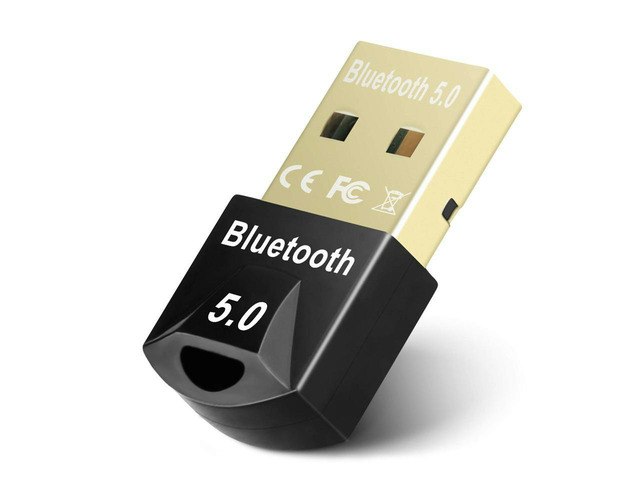
Newegg · 14 hrs ago
$13
more
↑ less
Anyone still running a desktop without built-in Bluetooth can plug this into a USB port and start pairing headphones, keyboards, or controllers within seconds, no internal hardware swap needed. Buy Now at Newegg
Features
- Bluetooth 5.0 wireless connectivity
- Plug-and-play USB desktop and laptop compatibility
- Support for wireless headphones, keyboards, and mice
- High-speed data transfer for PC peripherals
- Compatible with Windows 10, 8.1, 8, and 7
Computers: The Basics
Shopping for computers doesn’t have to drain your savings — if you know how to find the best prices. Our team of experts review the sales and publish the best computer deals so you don’t have to work half as hard.
How to Save on Streaming Services
Computers: The Basics
Shopping for computers doesn’t have to drain your savings — if you know how to find the best prices. Our team of experts review the sales and publish the best computer deals so you don’t have to work half as hard.
Basic Computer Terminology
You don’t have to be a tech wiz to buy your next computer. Make note of these common terms to help you when you’re shopping computer sales!
- Operating System (OS): This is the system that controls how your computer performs basic functions. The most common operating systems you’ll see right now are Windows 10 and Mac OS X. They perform comparably, so picking one relies on personal preference.
- Random-access memory (RAM): The short-term memory of your computer. Your RAM controls how quickly and efficiently your computer is able to switch between tasks. The higher the RAM, generally, the better the performance.
- Processor (CPU): The powerhouse or “brain” of the computer, your processor handles your computer’s basic instructions, such as using your mouse and keyboard, or running applications. The two most popular CPU manufacturers are AMD and Intel. You can read about which processor is right for you in this article from Digital Trends.
- Storage: There are two types of physical computer storage, hard drives (HD) and solid state drives (SSD). SSD storage is more common these days because they are more stable and faster. While it’s ideal to aim for greater storage space, a bigger drive will cost more money. Determine your storage needs based on how you plan to use your computer. Abt recommends starting with at least 500 GB of storage space.
Additionally, some providers, like Verizon, offer streaming perks with select plans, giving you months of access to services like Disney+, Hulu, and ESPN+ at no extra cost. Annual payment options can also help you save, as they often come with a discount equivalent to getting one or two months free. For those on a budget, ad-supported plans provide the same great content at a fraction of the cost. Visit our Disney+ Subscription Cost page to explore pricing and options.
What Deals Are Available on Disney+ Bundles?
Disney+ bundle deals provide significant savings when combining services. For example, the Verizon Disney Bundle offered six months of Disney+, Hulu, and ESPN+ for free with select Unlimited plans. Bundles like the Disney+ Premium annual plan ($159.99) save you the cost of two months compared to monthly payments. Bundle options like the ad-supported Duo Basic plan (Disney+ and Hulu) start at $10.99 per month, while ad-free Duo Premium is $19.99. Learn more on the Disney+ Bundle Deals page.
You can also explore seasonal and promotional deals during events like Black Friday to maximize your savings. Check out the Best Disney+ Deals page for current offers.
How Much Is a Disney+ Subscription?
Disney+ subscriptions currently start at $8 per month for the ad-supported Basic plan, while the Premium ad-free plan is priced at $13.99 per month or $139.99 annually. Prices will increase beginning October 17, 2024, with the Premium plan rising to $15.99 per month or $159.99 annually. Explore all pricing options on the Disney+ Subscription Costs page.
Best Disney+ Deals
Disney+ offers value-packed streaming bundles, such as the Disney+, Hulu, and Max bundle starting at $17 per month with ads or $30 per month ad-free. Disney+ also supports paid sharing, allowing you to add one extra member for $6.99 per month with Basic or $9.99 per month with Premium. Prices are increasing on October 17, 2024, so finding deals like these is more important than ever. For more information, visit our Best Disney+ Deals page.
Best Disney+ Deals
Disney+ offers value-packed streaming bundles, such as the Disney+, Hulu, and Max bundle starting at $17 per month with ads or $30 per month ad-free. Disney+ also supports paid sharing, allowing you to add one extra member for $6.99 per month with Basic or $9.99 per month with Premium. Prices are increasing on October 17, 2024, so finding deals like these is more important than ever. For more information, visit our Best Disney+ Deals page.
Annual Disney+ Subscription Costs
Disney+ Premium annual plans cost $139.99 but will rise to $159.99 on October 17, 2024. Opting for the annual plan saves you the equivalent of two months compared to monthly billing. Note that annual payments are only available for standalone Disney+ Premium plans and not for bundles. Customize your subscription to include ad-supported or ad-free options with Hulu, ESPN+, or Max. See all pricing details on the Disney+ Subscription Cost page.
Basic Computer Terminology
You don’t have to be a tech wiz to buy your next computer. Make note of these common terms to help you when you’re shopping computer sales!
- Operating System (OS): This is the system that controls how your computer performs basic functions. The most common operating systems you’ll see right now are Windows 10 and Mac OS X. They perform comparably, so picking one relies on personal preference.
- Random-access memory (RAM): The short-term memory of your computer. Your RAM controls how quickly and efficiently your computer is able to switch between tasks. The higher the RAM, generally, the better the performance.
- Processor (CPU) : The powerhouse or “brain” of the computer, your processor handles your computer’s basic instructions, such as using your mouse and keyboard, or running applications. The two most popular CPU manufacturers are AMD and Intel. You can read about which processor is right for you in this article from Digital Trends.
- Storage: There are two types of physical computer storage, hard drives (HD) and solid state drives (SSD). SSD storage is more common these days because they are more stable and faster. While it’s ideal to aim for greater storage space, a bigger drive will cost more money. Determine your storage needs based on how you plan to use your computer. Abt recommends starting with at least 500 GB of storage space.
Basic Software for Your PC
When you start using your new computer, you’ll want to install some basic software to get going. Most pre-built computers come with a suite of software pre-installed with the OS.
Productivity Tools
Whether you opt for a package like Microsoft Office or iWork, opt for freeware like Open Office, or choose an online software pack like G Suite, it’s always a good idea to install a productivity software to help you with tasks like making spreadsheets, word processing, and viewing PDFs.
Internet Browser
Microsoft Edge and Safari are the standard browsers that come with a new computer, but many shoppers rely on browsers like Google Chrome or Mozilla Firefox.
Cloud Storage
Not only does cloud storage give you more space than the limited physical storage on your PC, but it also gives you access to your files anywhere. Many companies like Google or Dropbox offer a limited amount of free cloud storage.
Antivirus Software
Antivirus tools do more than simply keep viruses at bay; they also protect against malware, phishing, adware, spyware, and more. Windows 10 comes with Microsoft Security Essentials as a default, and security options are built into Mac OS X (as opposed to a standalone program). That said, antivirus suites like Norton, McAfee, and Bitdefender may offer you more protection.
Media Player
Many laptops and desktops no longer include a physical media drive. If you plan on watching any videos locally (not streamed online), it’s useful to have a media player. Typically, this software is built in, but check out this list for some info on the best media players for Windows 10 and this one for Mac.
Music Player
Not to be confused with a media player, a good music application is worth installing on your computer. Spotify, iTunes, and Pandora are some common favorites that give you access to a practically limitless selection. The desktop versions make it easier to browse and build playlists.
Computer Deal Subcategories
DealNews offers the best deals on computers and computing accessories. You can browse our deals in different categories including, but not limited to:
Whether you’re looking for a new work laptop, or want to find a quality gaming system, check out our selection of the best laptop deals here.
Did you know you should replace your computer every 4 to 5 years to keep up with the latest performance and security updates? Check out the best computer deals for your next desktop here.
Did you know that DealNews first launched as a deal website for Apple Macintosh products? While we’ve grown significantly since then, we still know how to find the best Apple computer deals!
Maybe you’re in the market for a larger streaming device for your kids, or maybe you’d like a device to serve as your e-reader (with a few extra perks). Whatever you’re searching for, check out the best tablet and iPad deals here.
- Peripherals
Routers , monitors , input devices , and more! These devices make using your computer more comfortable and practical. Be sure you search our site to save big!
When shopping computer sales, check out DealNews before going anywhere else, so you know you’ll always find the best deals!
Frequently Asked Questions
Should I purchase a laptop or desktop?
It’s important to review your needs before buying a laptop or desktop computer.
- What’s your budget? Because they’re bigger and more modular, desktop computers tend to outperform laptops. A desktop’s customizability means your budget can go a lot further. However, laptops have other advantages over desktops.
- Do you need portability? High-end laptops are generally more expensive, but a laptop will always win the portability debate.
- How much power do you need? Desktops have more room to work with, so you can add more RAM, more storage, a bigger graphics card, and other performance improvements. But if you don’t need all that, then a mid-tier laptop may be the cheaper choice.
- Are you a gamer? Laptops that are built for gaming are among the most expensive on the market. That said, if you’re not comfortable selecting individual pieces to build a gaming desktop, you may be willing to pay a premium to get that performance.
- Don’t forget the repairs. If you’re handy, you can often repair or replace parts in a desktop computer with the help of online guides. Most laptops require specialized tools and skills to repair, so desktop fixes tend to be cheaper.
Overall, desktop computers have a lot of advantages, but the lack of portability can be a deal breaker. No matter what you decide, be sure to check out specs and buying guides from the DealNews Blog and other reputable sources like CNET or PCMag. Then shop DealNews for the best computer deals!
How do I get my external hard drive to show up?
Once you’ve ensured that your external drive is plugged in and powered on, check out these steps from PCMag:
- Try a different USB port.
- Try a different PC.
- Update your drivers.
- Format the drive.
What is a VPN?
VPN stands for “virtual private network.” A VPN protects your internet usage by routing your internet connection through a private server. Using a VPN keeps your online browsing more private and also grants you access to websites and content that may not be available in your country.
For more information about VPNs, visit our NordVPN Free Trial Guide and our NordVPN Subscription Cost Page.
How can I boost my WiFi signal?
When your internet connection seems impossibly slow, the cause isn’t your provider, but your WiFi signal strength. Check out these options to boost your WiFi signal:
- Update your router firmware. Each router is different, but you can typically use the steps found here to run updates.
- Place your router in the most optimal space. You want to place your wireless router away from walls or obstructions. If possible, put it in the most central place in your home.
- Pick a different frequency. If you have a dual-band router, try using the 5GHz band. This band offers higher speeds and may get an additional boost if fewer devices are connected to it.
- Change the channel. While most routers will automatically choose the channel with the least congestion, some cheaper routers may require you to manually update it.
- Upgrade your router. How old is your current router? If it's a previous-generation 802.11b model, upgrading could improve your wireless signal. If you already have a newer 802.11n or Wi-Fi 6 router, you're in good shape.
- Replace the antenna. You may boost your signal by adding or replacing an external antenna. PCMag recommends purchasing one marked “high-gain” and opting for a directional antenna rather than an omnidirectional one.
- Add a wireless range extender. If you only want to boost coverage in one or two rooms, a WiFi extender can help you eliminate dead spots. Check out this guide from the DealNews Blog.
Switch to a mesh WiFi system. Wireless mesh networking is becoming more popular because it can provide more complete coverage throughout the home. Mesh systems replace your router and work seamlessly to eliminate coverage gaps.
By: Kristen Harris, Manager
A Georgia girl with three years of experience in IP Law and grounded in understanding marketing and consumer motives. When she's not working with the fabulous staff of DealNews, you can find her whining at rowing practice and browsing the Hot Deals on the site.
Want to know the moment we post a great deal on Computers?
Create an Alert