Verizon Bundle Deals:Save the Most on Streaming & Internet in September 2026
Tech-savvy consumers who prioritize high-speed internet, reliable mobile coverage, integrated entertainment platforms, and one-stop billing will love Verizon. The forward-thinking company's partnerships, such as those with Netflix and Disney, enable Verizon to provide industry-leading content bundles that keep subscribers ahead of the curve.
Best Verizon Bundles Right Now
All in all, Verizon offers an impressive lineup of perks and streaming services as part of comprehensive bundles that cater to a wide range of entertainment preferences. Packages include:
Verizon Mobile Promo
Save $15/monthBundle your Verizon mobile and home internet and save $15 per month. No coupon or promo code is needed for this discount. Plus, you can add one perk on Verizon (up to $10 per month) with select internet plans. Deal ends December 31, 2026.

Verizon Mobile and Home Internet Promos
From $30Special discount offers include savings for military members and veterans, first responders, nurses, teachers, and students. No coupon or promo code is needed. The options include mobile and home Internet bundling discounts, bring-your-own-device savings, employer-based deals, and auto pay discounts. Expires December 31, 2026.
Netflix & HBO Max w/ Ads Streaming Bundle at Verizon
$10/mo.Verizon customers can get Netflix Standard with Ads and Max with Ads for just $10 per month added to eligible plans. (Scroll down the page to see this listed under the perks section.) Deal ends December 31.
Verizon Phones Free-with-New-Plan Promo
Up to $1,300 offShop the latest smartphones from Apple, Samsung, Google, and more with this promo and get major savings, including free devices with a new line. No coupon is required to claim this discount, and select offers also include a $100 Verizon e-Gift card. Free shipping applies. Deal ends June 1, 2026.
Verizon Smart Phone Deals Promo
Up to $900 offSave the latest Verizon phones, including both Apple and Samsung brands. You can get several models for free with a new line. You'll score big savings with this promo on popular devices like Samsung Galaxy, Apple iPhone, and more. No coupon or promo code is required to claim this discount, and select deals include a $100 Verizon eGift Card with new lines. Free shipping applies. Deal ends December 31, 2026.
$200 Amazon Gift Card
Free w/ Verizon Fios 1Gig or 2Gig Home InternetNew users can score a $200 Amazon Gift Card for free by activating and installing a Verizon Fios Home Internet 1Gig or 2Gig Plan. (You'll receive a $100 Amazon Gift Card with the 300Mbps or 500Mbps plans.) Service must be kept in good standing for 65 days; Pricing and availability varies by ZIP.
$200 Amazon Gift Card
Free w/ Verizon Fios 1Gig or 2Gig Home InternetNew users can score a $200 Amazon Gift Card for free by activating and installing a Verizon Fios Home Internet 1Gig or 2Gig Plan. (You'll receive a $100 Amazon Gift Card with the 300Mbps or 500Mbps plans.) Service must be kept in good standing for 65 days; Pricing and availability varies by ZIP.
Verizon Wireless Senior Discount
Up to $30 off per monthFlorida seniors aged 55 or older can sign up for this Verizon deal and save up to $30 per month on two lines with the Unlimited Welcome wireless plan. You'll get access to Verizon's award-winning 5G network, a 3-year price guarantee, and more. Some exclusions may apply. This offer is valid through December 31, 2026.
Verizon 1 Gig Home Internet
$99 fee waivedThis offer waives the $99 professional setup fee for new Verizon Fios customers who order 1 Gig service, giving you a $99 discount off the standard installation charge. Plans start at around $20 per month with various discounts. You also can get a 3-year price lock, included router and Wi-Fi equipment, bundle savings with mobile service, and get potential additional perks like streaming bundles and up to $500 in switch credits. Deal ends December 31, 2026.
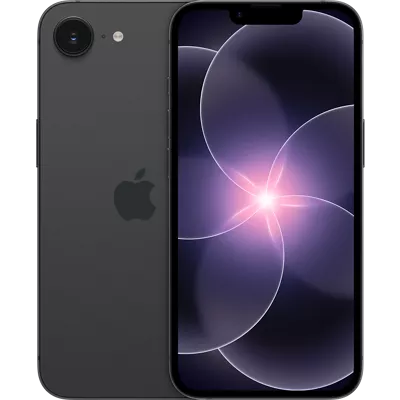
Apple iPhone 17e at Verizon Mobile Promo
Free w/ new lineStart a new line at Verizon and get the Apple iPhone 17e for free with this promo. No coupon is required to claim this discount, and you'll also receive a $100 gift card with a new line. Free shipping applies. Deal ends June 1, 2026.

iPhone 16 Plus at Verizon Mobile Promo
Free w/ new lineStart a new line on any Verizon plan and get the iPhone 16 Plus for free with this promo. No coupon is required to claim this discount. Plus you'll receive a $100 Verizon gift card for new lines. Free shippingapplies. Deal ends June 1, 2026.
Verizon Fios Home Internet Plan Military Discount Promo
From $30Verizon offers Fios Home Internet plans starting at $30 per month for military customers, which is $20 off the standard $50 monthly rate for 300mbs, with the eligible discount. No promo code or coupon is needed. Deal ends December 31, 2026.
Are There Verizon Subscription Bundles Offered This August?
You can save up to $15 per month on your home internet bill by bundling Verizon Fios or 5G Home Internet with a qualifying 5G mobile plan. For 2026, the most competitive entry-level bundle starts at $69.99 per month, which includes 300 Mbps Fios internet and one Unlimited Welcome mobile line.
Key Bundle Savings and Price Points:
- Fios 300 Mbps: Available for as low as $20/month when paired with a select 5G mobile plan and Auto Pay.
- 5G Home Internet: Starting at $35/month for existing mobile customers.
- Price Guarantee: Most bundles include a 3- to 5-year price lock, protecting you from the annual rate hikes common with other ISPs.
- Switching Incentives: Verizon often offers up to $500 in credit to cover early termination fees when switching from competitors like Xfinity or T-Mobile.
What Are the Best Verizon Streaming Bundle Deals for 2026?
Verizon's "myPlan" and "myHome" architecture allows you to add "Streaming Perks" for a flat fee of $10 to $15 per month. These perks represent a "Best of Web" value, often saving users 30% to 50% compared to subscribing directly to the services.
Top-Rated Verizon Perks:
- The Disney Bundle ($10/mo): Includes Disney+, Hulu, and ESPN+, all with ads. This saves roughly $9.99/month over retail pricing.
- Netflix and Max Bundle ($10 to $13/mo): A combined subscription that saves approximately $7/month.
- Apple One ($15/mo): Includes Apple Music, Apple TV+, Apple Arcade, and iCloud+.
- YouTube TV Discount: Select home internet bundles offer $20 off YouTube TV for the first six months.
Editor's Note: To unlock these rates, Verizon requires enrollment in Auto Pay and paper-free billing. Without these, your monthly bill may increase by $10 per line.
Verizon Fios + TV Bundle Pricing Breakdown
For households that still prefer traditional cable, Verizon offers integrated Fios TV bundles. While these have higher price points, the inclusion of high-speed fiber internet makes them a robust option for multi-user homes.
- The Value Bundle ($154.99/mo): 300 Mbps Fios Internet + "Your Fios TV" (125+ channels).
- The Power User Bundle ($203.99/mo): 500 Mbps Fios Internet + "More Fios TV" (300+ channels).
- The Everything Bundle ($268.99/mo): 1 Gig Fios Internet + "The Most Fios TV" (425+ channels) + Home Phone.
How Do Existing Verizon Customers Get Bundle Discounts?
Existing customers can qualify for the Mobile + Home Discount by linking their separate wireless and home internet accounts through the My Verizon App.
- Check Eligibility: Ensure you are on a 5G Unlimited mobile plan and a Fios or 5G Home Internet plan.
- Enroll in the Hub: Visit the "Mobile + Home Enrollment Hub" on the Verizon website to link the two accounts.
- Apply Monthly Perks: Once bundled, existing customers can add the $10 Disney or Netflix/Max perks to their bill to consolidate payments and lower total monthly overhead.
- Watch for "On Us" Upgrades: High-tier plans (like 5G Ultimate) frequently offer limited-time credits that make these perks free for the first 6–12 months.
How to Sign Up for a Verizon Bundle
Signing up for a Verizon bundle is a straightforward process. Here is a step-by-step guide:
- Visit Verizon's Website: Go to the Verizon homepage and log in to your account.
- Navigate to 'Services and Perks': Find the section dedicated to bundles and add-ons.
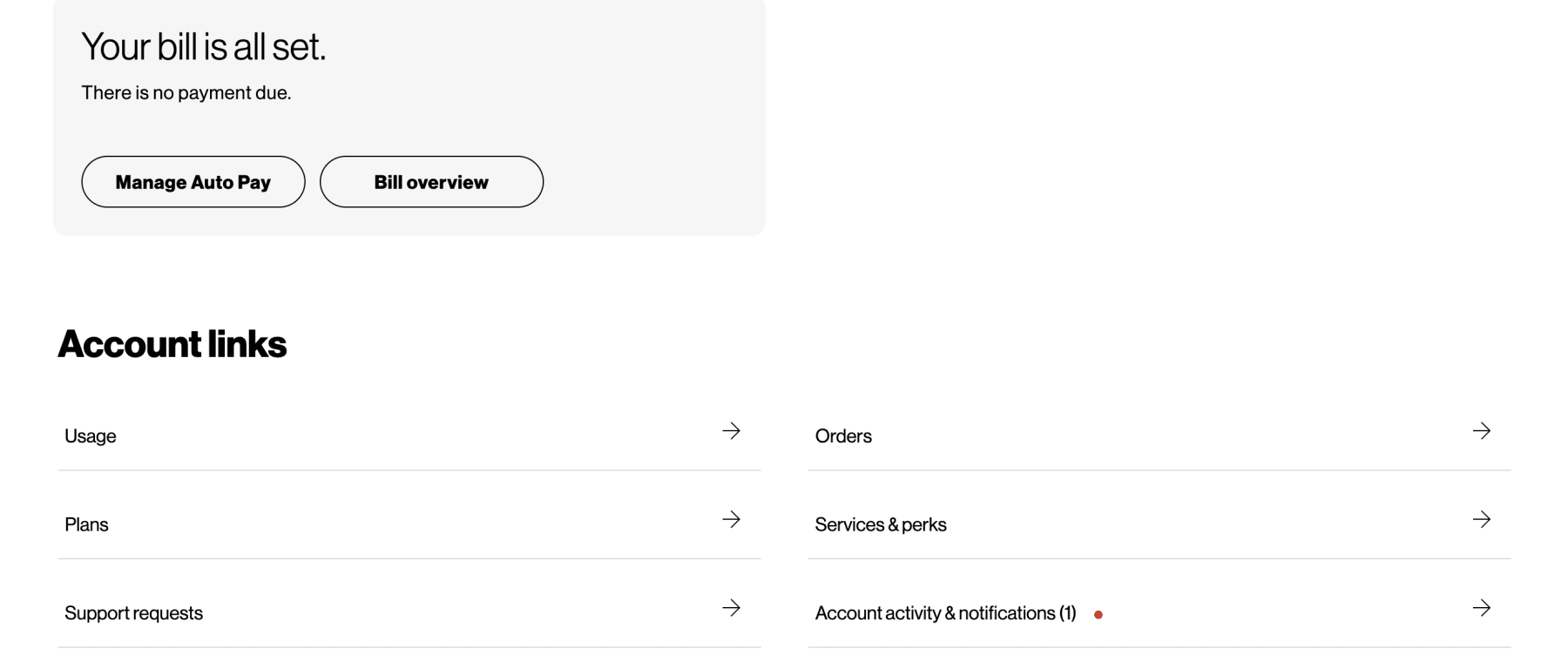
- Select Your Desired Bundle: Choose the bundle you wish to enroll in, such as the Disney Bundle.
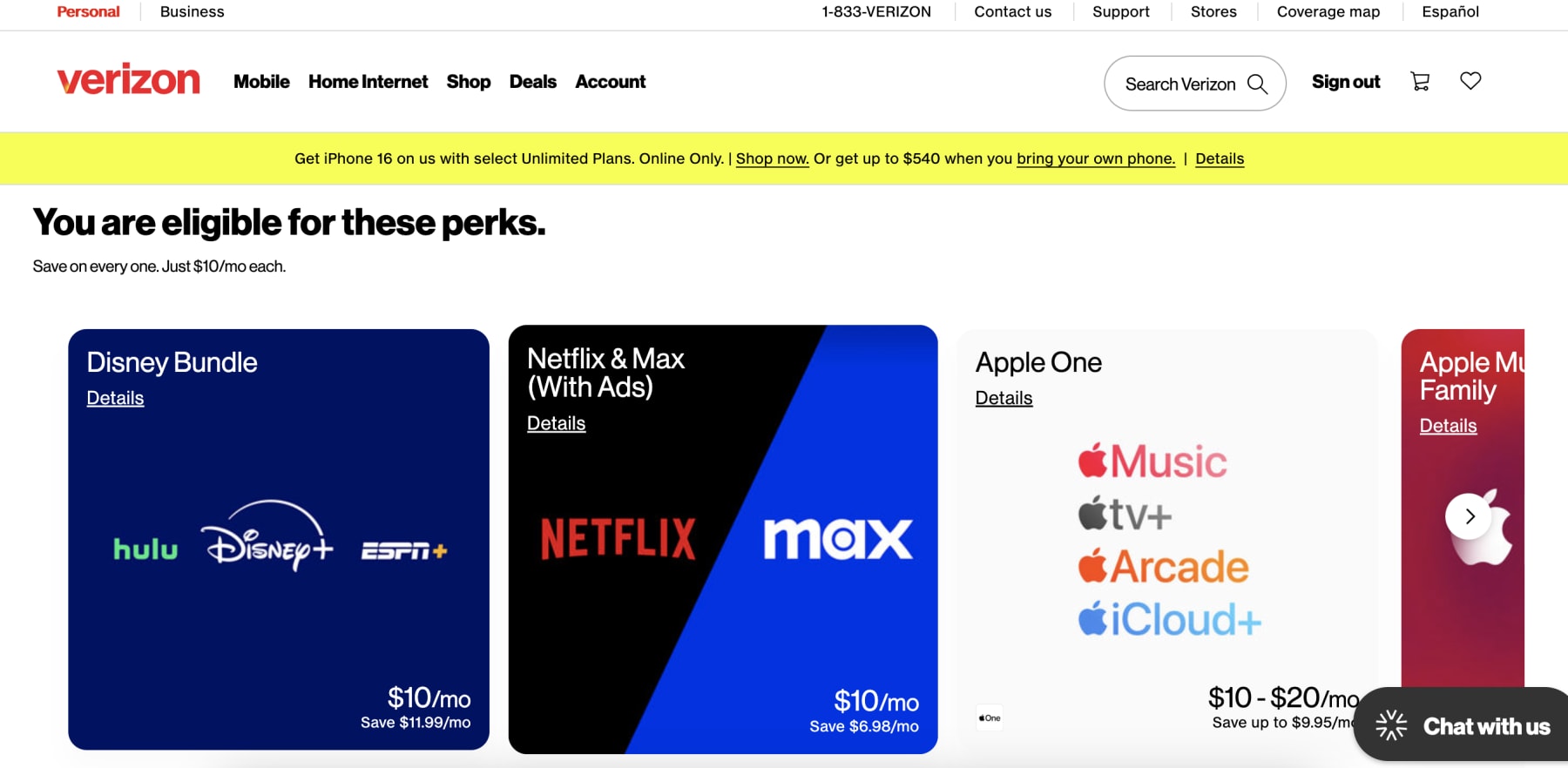
- Verify Eligibility: Follow the on-screen instructions to confirm that your current plan qualifies for the bundle.
- Complete Enrollment: Finalize the process by confirming your subscription. You will receive a confirmation email once the enrollment is successful.
What Does Verizon Normally Cost Before Bundles?
Understanding the "sticker price" of Verizon services is essential because the advertised rates often rely on several layers of discounts, such as Auto Pay enrollment and combining your mobile and home internet bills. Without these "bundles" and automatic payment credits, the monthly cost for a single line or standalone internet plan is significantly higher than the lead prices you see on their homepage.
Verizon Wireless Monthly Costs
If you are signing up for a single line of service and do not want to use Auto Pay, you will pay the highest possible monthly rate. Verizon currently structures its postpaid service around three primary "myPlan" tiers: Unlimited Welcome, Unlimited Plus, and Unlimited Ultimate. For a lone user, these plans represent a premium investment in network reliability and features like high-speed hotspot data or international roaming.
- Unlimited Welcome: $75 per month (Standard rate for 1 line)
- Unlimited Plus: $90 per month (Standard rate for 1 line)
- Unlimited Ultimate: $105 per month (Standard rate for 1 line)
- Verizon Prepaid: $45 to $60 per month (Depending on data allotment)
The prices above reflect the "base" cost before the common $10 per month Auto Pay and paper-free billing discount is applied. For example, while Unlimited Plus is often advertised at $80, you will see a $90 charge on your statement if you prefer to pay manually or by credit card. It is also important to note that these prices do not include taxes and government surcharges, which can easily add another $5 to $15 to your monthly bill depending on your state of residence.
Verizon Fios and Home Internet Pricing
Standalone internet from Verizon—meaning you don't already have a wireless phone plan with them—usually starts at a higher price point than the frequently cited "$35 per month" promotional rate.
For those in Fios-eligible areas, the fiber-optic service is billed as a utility with different speed tiers. If you are not a Verizon mobile customer and choose not to use Auto Pay, the "sticker price" for the entry-level 300 Mbps plan typically hovers around $75 per month.
- Fios 300 Mbps: ~$74.99 per month (Standalone, no discounts)
- Fios 500 Mbps: ~$94.99 per month (Standalone, no discounts)
- Fios 1 Gig: ~$114.99 per month (Standalone, no discounts)
- 5G Home Internet: $60 per month (Base price without Auto Pay)
- 5G Home Plus: $80 per month (Base price without Auto Pay)
For residents in areas where Fios isn't available, Verizon's 5G Home Internet offers a fixed wireless alternative. The standard unbundled rate for the base 5G Home service is $60 per month. While this is more affordable than the high-speed fiber tiers, it is still $25 more than the "as low as" price of $35 that is marketed to existing mobile subscribers. The 5G Home service is a popular choice for "cord-cutters" because the equipment is usually included for free, and there are no data caps.
Additional Monthly Fees and One-Time Costs
Beyond the base plan prices, there are several "hidden" or one-time costs that can impact your initial bill. While Verizon has moved toward "all-in" pricing for some of its newer fiber and 5G plans, older plans or specific regions may still see separate charges for equipment and setup. Knowing these potential extras helps you calculate the true "out-the-door" cost before you commit to a contract-free plan.
- Professional Installation Fee: $99 (Often waived if you order online)
- Fios Router Rental: Approximately $15 to $18 per month, included in 1 Gig and 2 Gig plans.
- Wireless Activation Fee: $35 per new line
- Late Payment Fee: ~1.5% of the balance or $9 (Whichever is greater).
- Administrative and Regulatory Charges: Approximately $3 to $5 per wireless line.
The $99 Fios setup fee is a common hurdle, though Verizon almost always waives this for customers who complete their purchase through the website rather than over the phone or in-store. Equipment is another variable; while 5G Home Internet includes the "Gateway" box for free, Fios customers on lower speed tiers may be asked to pay a monthly rental fee for their router unless they provide their own compatible hardware.
Everything Else to Know About Verizon Bundles in 2026
Navigating the landscape of Verizon's offerings in 2026 requires a shift in how we think about traditional "bundling." The days of rigid Triple Play packages are long gone, replaced by a modular system that emphasizes individual choice. However, the savings are still found in the connections between services, and understanding the fine print is the only way to ensure you aren't overpaying for features you don't actually use.
The Evolution of Modular Customization
By 2026, Verizon has almost entirely moved away from pre-packaged bundles in favor of its "myPlan" architecture. This shift allows customers to start with a base wireless or home internet plan and add "Perks" for a flat monthly fee, typically $10 each.
This modular approach is designed to prevent "subscription bloat," where users pay for a dozen services they rarely touch. Instead, you can toggle features like cloud storage, gaming passes, or international roaming on and off through the My Verizon app as your monthly needs change.
This customization also extends to how home and mobile services interact. In 2026, the distinction between "Home" and "Mobile" has blurred significantly due to the ubiquity of 5G fixed wireless access. Many customers now find that their "bundle" isn't a collection of different technologies, but rather a multi-access data plan that covers their phone, their home router, and even their vehicle's integrated hotspot under one unified billing umbrella.
Mobile + Home Discount Synergy
The most significant way to save money with Verizon in 2026 remains the Mobile + Home discount. This is the modern version of a bundle, where simply having both a 5G mobile line and a Fios or 5G Home Internet account triggers an automatic monthly credit. The amount of the discount is usually tied to the tier of your mobile plan, with the most premium wireless plans yielding the highest savings on your home broadband bill.
- Unlimited Welcome + 5G Home: $10 to $15 monthly discount.
- Unlimited Plus + Fios: $20 monthly discount.
- Unlimited Ultimate + Fios 1 Gig: Up to $25 monthly discount.
- Loyalty Bonus: Long-term customers (3+ years) often see an additional $5 "loyalty" credit applied to bundled accounts.
To qualify for these savings, both accounts must be registered under the same billing address and linked through the Verizon account portal. It is also important to note that these discounts are usually "stackable" with the $10 Auto Pay discount, making the effective price of home internet incredibly competitive for existing mobile users. If you are shopping for one service, it is almost always worth checking the promotional price of adding the other, as the combined cost is often only marginally higher than a single standalone service.
Streaming and Entertainment Perks
The "Value" in a 2026 Verizon bundle often comes from the subsidized entertainment perks. Verizon acts as a clearinghouse for major streaming services, offering them at a lower price point than if you subscribed directly.
For deal hunters, this is often the primary reason to choose Verizon over a lower-cost MVNO (Mobile Virtual Network Operator). By paying for these through your Verizon bill, you consolidate your subscriptions and save between 30% and 50% on retail prices.
- The Disney Bundle: Includes Disney+, Hulu, and ESPN+.
- Netflix and Max (With Ads): A popular 2026 pairing for $10/month.
- YouTube Premium: Often offered as a standalone add-on for a discounted rate.
- Apple One: Combines Apple Music, TV+, and iCloud storage.
The catch with these perks is that they are often the "With Ads" versions of the services unless you pay an additional upgrade fee. Furthermore, if you decide to cancel your Verizon service, these subscriptions will either terminate immediately or revert to the full market price through the individual providers. When calculating your "deal," always subtract the cost of the streaming services you were already paying for to see your true net cost for the wireless service.
The Impact of 5G Advanced and Satellite Integration
As we move through 2026, Verizon's bundles have begun to include "5G Advanced" features and integrated satellite connectivity for emergency use. These are no longer just experimental add-ons; they are core components of the "Ultimate" plan tiers.
For users in rural areas or those who travel frequently, the value of having a "bundled" satellite SOS and messaging feature provides a level of security that was previously a paid extra. This integration is a key selling point for Verizon's more expensive tiers, positioning them as a premium utility rather than just a data pipe.
Additionally, the rollout of 5G Advanced has allowed Verizon to offer "network slicing" as part of certain bundles. This means gamers or remote workers can pay a small premium—often bundled into a "Pro" or "Work from Home" perk—to receive prioritized data during peak hours.
This ensures that your home internet speed remains consistent even when the local tower is congested. As network technology becomes more sophisticated, these "performance bundles" are becoming just as common as entertainment-based ones.
Contract-Free Flexibility vs. Device Credits
One of the most important things to understand about 2026 pricing is the difference between a service contract and a device "lock-in." While Verizon plans are technically contract-free—meaning you can cancel the service at any time without an Early Termination Fee—the "bundles" involving free or discounted phones are tied to 36-month installment plans. This functions as a "soft contract" because leaving early requires you to pay off the remaining balance of the device at its full retail price.
- 36-Month Installments: The industry standard for "Free" phone promotions.
- Trade-In Requirements: High-value bundles usually require a "Qualified" trade-in (often any model, in any condition).
- Credit Forfeiture: If you cancel your line before the 36 months are up, you lose any remaining monthly credits.
- Early Upgrade Options: Some "Plus" and "Ultimate" plans allow for upgrades after 50% of the device is paid off.
For DealNews readers, the best strategy is often to "Bring Your Own Device" (BYOD). In 2026, Verizon frequently offers massive bill credits—sometimes up to $500 spread over 36 months—just for switching and using your current phone. This allows you to stay unbundled from a device payment plan while still enjoying the bundled service discounts, providing the ultimate level of financial flexibility.
Annual Price Adjustments and Legacy Plan Fees
A recurring trend in 2026 is the "Legacy Fee" applied to older, discontinued plans. Verizon frequently incentivizes customers to move to current myPlan bundles by increasing the price of older plans by $3 to $5 per line every year. If you are holding onto a plan from several years ago because you think it's a better deal, you may find that the "Plan Rate Adjustment" fees have slowly made it more expensive than the current offerings.
These adjustments are often framed as "investments in the network," but they serve a dual purpose of simplifying Verizon's billing systems by pushing everyone onto the same modular platform. It is a good practice to review your bill every six months. If you see a "Rate Adjustment" or "Legacy Account Fee," it is almost certainly time to switch to a modern bundle, which will likely offer more data or better perks for a lower base price.
How to Maximize Your Savings Strategy
To truly get the best deal on a Verizon bundle in 2026, you need to layer multiple discount types. The "sticker price" is for the uninformed; the "deal price" is for those who take ten minutes to set up their account correctly. By combining structural discounts with situational ones, you can often bring a premium $90 plan down to an effective cost of $50 or $60.
- Auto Pay and Paper-Free Billing: A non-negotiable $10/month saving per line.
- Affiliation Discounts: Check for eligibility in Teacher, Nurse, Military, First Responder, or Student programs.
- Verizon Visa Card: Earn "Verizon Up" dollars on groceries and gas that can be applied directly to your phone bill.
- Refer-a-Friend: Both parties typically receive a bill credit for several months after a successful sign-up.
Finally, always keep an eye on "seasonal" bundles. During major shopping holidays like Black Friday or Back-to-School season, Verizon often bundles hardware like tablets, smartwatches, or gaming consoles with new line activations.
While these can be great deals, always factor in the "Line Access Fee" for the extra device, which is usually around $20 per month. If you don't actually need cellular connectivity on a tablet, the "free" device might end up costing you hundreds of dollars in service fees over its lifetime.
How Verizon Bundles Compare With Alternatives
In the competitive landscape of 2026, Verizon's primary strategy is to offer "premium convenience" through its modular myPlan system. While competitors like T-Mobile focus on "all-in" pricing (where taxes and fees are included) and AT&T focuses on consistent device trade-in values for all customers, Verizon targets the household that wants to consolidate their entire digital life—from fiber-optic internet to streaming services—under one bill.
| Carrier | Standalone Mobile (1 Line) | Home Internet Bundle Cost | Key "Bundle" Advantage |
| Verizon | $75 - $105 | $35 - $60 | Modular $10 "Perks" (Disney, Netflix, etc.) |
| T-Mobile | $60 - $90 | $40 - $50 | Taxes and fees included; free "standard" streaming |
| AT&T | $65 - $85 | $55 - $80 | Best fiber-to-mobile synergy for current customers |
| Mint Mobile | $15 - $30 | N/A (No Home Internet) | Lowest raw price for standalone mobile |
| Xfinity/Spectrum | $45 - $65 | $30 - $50 | Aggressive pricing if you already have Cable TV |
As the table illustrates, Verizon remains one of the most expensive options for a standalone mobile line, but it becomes significantly more competitive when you factor in the Mobile + Home discount. If you are a "cord-cutter" who heavily utilizes streaming services, Verizon's $10 modular perks often provide better value than the fixed "included" services offered by T-Mobile or AT&T.
However, for budget-conscious shoppers who don't need home internet or high-end perks, a prepaid MVNO like Mint Mobile or Visible (which is owned by Verizon but costs much less) will almost always result in a lower monthly outlay. The "Verizon Tax" is essentially a payment for high-speed Fios reliability and the ability to customize a massive suite of digital subscriptions in one place.
Is a Verizon Bundle Worth It in 2026?
In 2026, a Verizon bundle is primarily a value-add for families and power users. The modular "myPlan" system is most effective when you stack multi-line wireless discounts with Fios home internet credits and $10 streaming perks. For households already paying for these services, consolidation provides a high price-to-performance ratio and the convenience of a single bill.
Conversely, the bundle is less appealing for single-line users or those seeking maximum flexibility. The 36-month device installment plans function as a "soft contract" that can lock you in longer than desired. If you don't require high-speed fiber or bundled entertainment, switching to a low-cost MVNO and standalone internet will likely save you more money than staying within the premium Verizon ecosystem.
Why Trust DealNews For Verizon Tips and Tricks
For years, DealNews has been the savvy shopper's secret weapon. We deliver hundreds of verified deals to our readers every day on a massive range of products. Our commitment is to you, ensuring that every deal we publish is the best price you'll find.
To put that expertise to work for you, sign up for the DealNews Select newsletter for a daily dose of handpicked deals. Or, if you're waiting for a specific item to drop in price, set a deal alert and get an instant notification the moment it goes on sale.
Jim has been with DealNews for over two decades and still has nightmares about the days when placing an order from mail-order catalogs required a phone call. He's a grizzled deal veteran, having lived through and covered all modern-era Black Friday and Cyber Monday sales. ("Black Friday" as a retail term first emerged in the late 1960s—and he's not quite that old.) As a lifelong (and unapologetic) Apple fanboy, Jim loves helping others find deals on the latest MacBooks, iPads, and iPhones. But he'll happily cross the aisle to uncover the best discounts on PCs and everything else from video games to vacuums. When he's not sleuthing for the next big deal, Jim's either rewatching The Office for the 57th time, finally getting around to finishing The Witcher 3, or planning a trip to a remote, mountainous corner of the world—sans Internet.
Sign In or Register